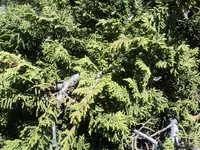
Wind-firm training
In the first 3–5 years, leave lower branches in place and avoid heavy crown thinning so the young tree develops a broad, wind-firm base before it gains height.

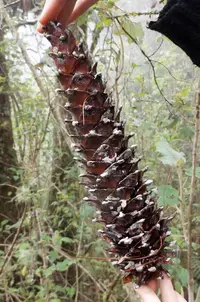
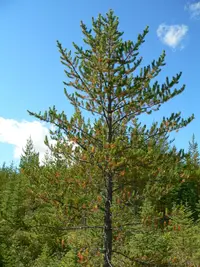
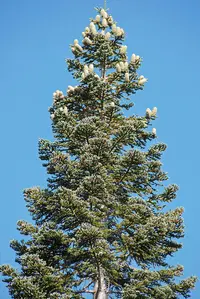
Mexican white pine (Pinus ayacahuite) is a large, fast-growing evergreen conifer known for its soft, long needles and tall, straight trunk. It forms an open, graceful crown that becomes broader with age.
This species is native to the mountains of Mexico and Central America, where it grows in cool, high-altitude forests. Its relatively quick growth and tolerance of cooler climates make it appealing for spacious gardens and windbreaks.
To care for Mexican White Pine successfully, provide full sun, well-drained soil, and moderate moisture, avoiding waterlogged or extremely compacted sites.

Care Difficulty
Moderate Care

Light Preference
Full Sun

Water Requirements
Moderate Water

Temperature Preference
Cool Climate

Hardiness Zone
7–9

Soil Texture
Sandy, Loamy, Rocky

Soil pH
Acidic (5.5–6.5), Slightly acidic (6.5–7.0)

Soil Drainage
Well-drained

Fertilization
Minimal (feed rarely)
Scan your plant to receive care tips personalized for your specific plant
Available on iOS and Android
This high-elevation pine prefers abundant sun but tolerates some shade, especially in hotter regions.
This species prefers evenly moist, well-drained soil and develops good drought tolerance once established.
This mountain pine prefers cool to mild conditions and tolerates substantial cold once established.
This high-elevation pine tolerates relatively dry air and usually does not need special humidity control outdoors.
Pinus ayacahuite prefers well-aerated, free-draining mineral soils with moderate organic matter.
This species can be grown in containers for a limited time, mainly as a young plant or patio specimen.
This high-elevation conifer grows reasonably well in average soil, but thoughtful feeding supports healthy, steady growth in Mexican White Pine.
Pruning Pinus ayacahuite is light and corrective, aimed at maintaining structure and removing problems rather than reshaping the tree.
This pine is usually grown in the ground, so management focuses on careful transplanting rather than frequent repotting.
Reproduction of this species is primarily done from seed, since vegetative methods are slow and unreliable for home growers.
This high-altitude pine is cold hardy in much of its range and usually needs minimal winter care once established in the landscape.

Plant Health Check
Not sure what's wrong with your plant? Check your plant's health inside the app.
This species carries its needles in bundles of 5, and they are unusually long and flexible for a white pine, often giving the crown a soft, feathery appearance compared with many other conifers.
It is naturally distributed in high-elevation cloud forests and montane regions of Mexico and Central America, where it tolerates cool, moist conditions and frequent mists better than many other pines.
Foresters in Mexico and neighboring countries use this pine extensively in reforestation and watershed protection projects because of its relatively fast growth, valuable timber, and good performance on degraded mountain slopes.

This species can hybridize with several other American white pines, and such hybrids have been studied for their potential to combine rapid growth with improved resistance to white pine blister rust, a serious fungal disease in commercial forestry.
This species is relatively fast-growing for a conifer, often adding 30–60 cm in height per year once established. Growth is slower in poor soil, exposed sites, or during the first few years after planting.
Keep your plants happy and healthy with plant identification, disease detection, and easy care guidance.