Root flare check
When planting or inspecting an established tree, make sure the main root flare sits at or slightly above soil level and gently remove excess mulch or soil from the trunk base to prevent rot and girdling roots.

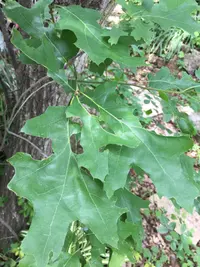
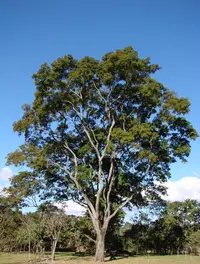
Buckley oak (Quercus buckleyi) is a small to medium deciduous tree native to central Texas and nearby regions, often found on rocky hillsides and limestone soils. It forms a rounded crown with dense branching and small, lobed leaves that turn red to bronze in fall.
The tree grows at a moderate rate and develops a strong root system, which makes it relatively drought tolerant once established. It prefers full sun, well-drained soil, and benefits from some protection from prolonged waterlogging.
These traits make it a practical choice for low-maintenance landscapes in warm, dry climates, especially where soils are thin or alkaline. Understanding how to care for Buckley oak starts with choosing a sunny, well-drained site that matches its native conditions.

Care Difficulty
Moderate Care

Light Preference
Full Sun

Water Requirements
Low Water

Temperature Preference
Cold Hardy

Hardiness Zone
6–9

Soil Texture
Sandy, Loamy, Clay

Soil pH
Slightly acidic (6.5–7.0), Neutral (7.0)

Soil Drainage
Well-drained

Fertilization
Minimal (feed rarely)
Scan your plant to receive care tips personalized for your specific plant
Available on iOS and Android
This small oak thrives in open, bright landscapes with strong sun exposure.
This drought-tolerant oak prefers deep, infrequent watering once established.
This oak is adapted to hot summers and cool winters in warm-temperate climates.
Humidity is rarely a concern for Quercus buckleyi grown outdoors in its suitable climate.
This species prefers well-structured, free-draining mineral soils that mimic its native rocky sites.
This oak is generally not well suited to long-term container growing, except as a short-term juvenile specimen.
This native oak usually needs minimal feeding in the landscape if soil is reasonably fertile.
Quercus buckleyi benefits from light, well-timed structural pruning rather than frequent cutting back.
This oak is usually grown in the ground, so focus on careful transplanting of young trees rather than frequent repotting.
Quercus buckleyi is most often propagated from seed, with vegetative methods used mainly by specialists.
Mature Quercus buckleyi is cold hardy in its native range and usually needs minimal winter attention.

Plant Health Check
Not sure what's wrong with your plant? Check your plant's health inside the app.
This oak is naturally restricted to central Texas and a small area of southern Oklahoma, where it is strongly associated with limestone and shallow, rocky soils of the Edwards Plateau and nearby regions.
It often hybridizes with closely related red oaks, such as Texas red oak and Shumard oak, which can make field identification challenging and creates genetic blending in natural populations.
Unlike many southern oaks that stay dull or brown, this species is valued in its native range for reliable red to scarlet fall color, especially on trees growing in full sun and well-drained sites.

This species was historically confused with and lumped into other red oak taxa until detailed botanical work in the 20th century clarified its distinct status and narrow native range, which is why older references often lack or misapply its current scientific name.
This species typically grows at a moderate rate, around 30–60 cm per year once established. Growth is faster in deep, well-drained soils and full exposure, and slower in compacted, shallow, or very dry sites.
Keep your plants happy and healthy with plant identification, disease detection, and easy care guidance.