Japanese Larch Care (Larix kaempferi)

Japanese Larch

About Japanese Larch

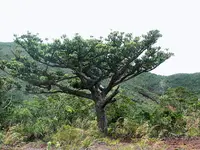
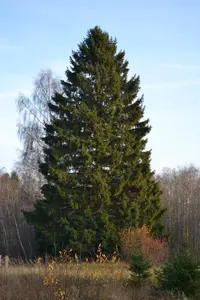
Japanese larch, Larix kaempferi, is a hardy, deciduous conifer valued for its soft needles and strong seasonal change. It grows as a medium to large tree with a straight trunk and graceful, upward-curving branches.

New needles emerge bright green in spring, then turn golden-yellow before dropping in fall, leaving a clearly visible branch structure in winter. Its bark becomes attractively rough and plated with age.

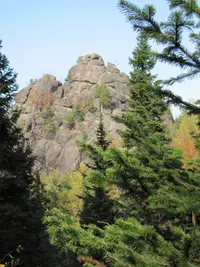
This species is native to mountainous regions of central Japan, where it grows in cool, sunny, well-drained sites. In cultivation it prefers full sun, moderate moisture, and non-waterlogged soil, and these traits influence how to care for Japanese Larch in gardens and larger landscapes.


Main Plant Requirements

Care Difficulty

Moderate Care

Light Preference

Full Sun

Water Requirements

Moderate Water

Temperature Preference

Cold Hardy

Hardiness Zone

4–7

Soil Texture

Sandy, Loamy, Clay

Soil pH

Acidic (5.5–6.5)

Soil Drainage

Moist but well-drained

Fertilization

Minimal (feed rarely)

Get Personalized Care Plan

Scan your plant to receive care tips personalized for your specific plant

Available on iOS and Android

How to Care for the Japanese Larch

This deciduous conifer needs strong outdoor light to develop dense, healthy foliage.

  • Provide 6–8 hours of direct sun daily; morning and midday sun are ideal for compact growth and good needle color.
  • It tolerates light afternoon shade, especially in hotter regions, but deep shade causes sparse branching, weak shoots, and duller needles.
  • Young Japanese Larch benefit from some protection from intense late-afternoon summer sun to reduce needle scorch and stress during dry spells.

This species prefers consistently moist, cool soil but reacts poorly to stagnating water.

  • Allow the top 2–4 cm of soil to dry slightly, then water deeply so moisture reaches the full root zone, especially in the first 3–5 years.
  • Increase watering during hot, windy periods; drooping, dull needles indicate thirst, while yellowing needles and soft, sour-smelling soil suggest overwatering.
  • Plant in well-drained, loamy soil; avoid compacted or waterlogged sites to reduce risk of root rot in Larix kaempferi.

This hardy conifer is adapted to cold climates and distinct seasonal changes.

  • Optimal growing temperatures in spring and summer are around 60–75°F (16–24°C), with cooler nights promoting sturdy, compact growth.
  • Mature trees tolerate winter lows down to about -20°F (-29°C) or lower, but late spring frosts can damage newly emerging soft needles and shoots.
  • It handles short heat waves up to about 85–90°F (29–32°C) if soil stays moist; prolonged high heat with drought stress can cause needle drop and tip dieback.

This species tolerates a wide humidity range and rarely needs special humidity management outdoors.

Larix kaempferi prefers cool, moist, sharply drained mineral soils that do not stay waterlogged.

  • Use a loamy or sandy loam structure with moderate organic matter to hold moisture but still drain freely.
  • Aim for slightly acidic to neutral pH around 5.5–7.0, avoiding strongly alkaline or highly compacted ground.
  • In heavier soils, mix in coarse sand and fine gravel to improve drainage and root aeration.
  • Avoid sites where water stands after rain or where clay creates a hardpan that traps roots in saturated conditions.

This species can be grown in containers for several years, especially as a young tree or bonsai subject.

  • Choose a deep, heavy container that resists tipping as the top growth becomes taller and wind-exposed.
  • Use a fast-draining, gritty mix so water runs through quickly yet still leaves slight, even moisture around the roots.
  • Elevate the pot slightly off the ground so drainage holes stay clear and excess water cannot pool under the base.

This conifer grows well in average soil and needs only modest feeding to stay healthy.

  • For Japanese Larch in the ground, use a light top-dressing of compost or well-rotted manure once in early spring.
  • In poorer soils, apply a balanced slow-release fertilizer (around 10-10-10) at half label rate in early spring.
  • Avoid feeding after midsummer so new growth hardens before cold weather.
  • Container or bonsai specimens benefit from diluted liquid balanced fertilizer every 4–6 weeks during active growth.

Pruning Larix kaempferi focuses on safety, structure, and removing weak growth rather than frequent shaping.

  • Carry out main pruning in late winter while the tree is dormant and leafless for clear visibility.
  • Remove dead, diseased, crossing, or storm-damaged branches with sharp bypass pruners or a clean pruning saw.
  • Thin congested interior shoots slightly to improve light and air movement, maintaining the tree’s natural form.
  • Limit heading cuts; use selective thinning cuts at branch unions to preserve strong, balanced structure.

Larix kaempferi is usually grown in the ground, so focus on careful transplanting or occasional container repotting for bonsai or young trees.

  • Transplant in early spring or early fall when temperatures are mild and soil is moist but not waterlogged.
  • Look for circling roots, roots exiting drainage holes, or stalled growth as cues a container plant needs a larger pot.
  • Move up only 1–2 sizes, keep the root ball intact, and backfill with free-draining, slightly acidic soil mix.
  • Water thoroughly after planting, mulch lightly, and keep the root zone evenly moist to limit transplant shock.

Larix kaempferi is propagated mainly by seed and semi-hardwood cuttings under controlled conditions.

  • Collect ripe cones in fall, extract seeds, and use cold stratification at about 34–41°F for 2–3 months to break dormancy.
  • Sow stratified seeds in a well-drained, slightly acidic seed mix, keeping it evenly moist and cool-bright.
  • Take semi-hardwood cuttings in late summer, use rooting hormone, and root in coarse, well-aerated medium under high humidity.
  • Provide good air circulation and bright, indirect light for young plants, hardening them off outdoors gradually.

This deciduous conifer is cold hardy and usually needs minimal winter care once established in the landscape.

  • Tolerates freezing conditions; hardy in most temperate climates when planted in open ground.
  • Apply 5–8 cm of organic mulch around the root zone, keeping it away from the trunk, to moderate soil temperature.
  • Shelter young or container plants from harsh winds and extreme freeze–thaw cycles to reduce desiccation and root stress.
  • In very cold areas, group containers together and wrap pots with insulating material to protect roots.

Care Tips

Root flare check

When planting or inspecting an established tree, ensure the root flare (where trunk widens at soil level) is visible and not buried, and gently remove excess soil or mulch so the first main roots sit just at or slightly above the soil surface.

Wind-direction training

In the first 3–5 years, lightly stake young trees only on the windward side and use soft, flexible ties, adjusting yearly so the tree moves slightly in the wind and develops a strong, tapered trunk.

Seasonal candle thinning

In late spring, pinch or cut back some of the new soft shoots (candles) by 30–50% on overcrowded branches to improve light penetration, reduce wind resistance, and encourage a balanced framework without heavy pruning cuts.

Winter load management

In areas with wet, heavy snow, gently knock accumulated snow from branches with a broom working from the trunk outward to prevent splitting or bending, especially on young or narrowly branched specimens.

Targeted mulch ring

Maintain a 5–10 cm deep mulch ring that extends at least to the drip line but keep a 5–8 cm mulch-free gap around the trunk to reduce mower damage, conserve soil moisture, and support long-term success when growing Japanese Larch.

Common Pests and Diseases

Larch canker

This disease causes sunken, resin-soaked lesions on branches and stems that can girdle and kill affected parts. Symptoms include dead branch tips, cracked bark, and resin flow around the canker margins.

Solution

Prune out infected branches at least 15–20 cm below visible cankers during dry weather, and disinfect tools between cuts with 70% alcohol or a 10% bleach solution. Improve tree vigor with proper watering and mulching, and avoid mechanical damage to bark that can create infection sites; severely cankered young trees are best removed to prevent spread.

Larch needle cast

This disease leads to yellowing, browning, and early drop of needles, often starting on the lower inner branches and moving upward. Symptoms include thin, sparse foliage and sometimes visible tiny dark fruiting bodies on dead needles.

Solution

Rake up and remove fallen needles in autumn to reduce the source of new infections. For valuable specimens with repeated problems, apply a registered copper-based or chlorothalonil fungicide in spring just as new needles emerge, ensuring good coverage and maintaining strong air circulation around the tree by avoiding overcrowding.

Larch adelgid

This pest is a small, soft-bodied insect that feeds on needles and shoots, often causing yellowing, stunting, and tufted or deformed new growth. These insects may produce white, cottony wax that is visible on shoots and needle bases.

Solution

For light infestations, spray shoots thoroughly with a strong jet of water to dislodge adelgids, repeating weekly as needed. For persistent problems, use a horticultural oil or insecticidal soap in early spring before or just as buds open, coating all shoots and the trunk, and encourage natural predators by avoiding broad-spectrum insecticides.

Larch casebearer

This small caterpillar pest mines inside needles, causing them to turn brown and drop prematurely, leading to thin, sparse foliage. This pest is often first noticed when sections of the tree show patches of brown, shed needles in late spring or early summer.

Solution

Hand-prune and destroy lightly infested branch tips where practical, especially on young or small trees. For heavier infestations on important landscape trees, consider a targeted treatment with a Bacillus thuringiensis (Bt) product or a systemic insecticide applied at the correct stage in spring, and monitor new growth yearly as part of Larix kaempferi care.

Larch needle blight

This disease causes brown spotting and banding on needles, followed by premature needle drop that can thin the crown over several seasons. Symptoms include discolored needles that often remain attached for some time, giving the tree a scorched appearance before they fall.

Solution

Remove and dispose of fallen needles and heavily affected twigs to lower the amount of fungal spores. Ensure good spacing and airflow around the tree, water at the base rather than overhead, and if the problem recurs annually, apply a preventative fungicide in spring as new needles expand, following label directions closely.

Interesting Facts

Deciduous needle habit

Unlike most conifers, this species sheds all its needles in autumn, turning a clear golden-yellow before dropping and leaving the branches bare in winter.

Volcanic mountain native

It is naturally native to cool, high-elevation volcanic slopes in central Japan, especially around Mount Fuji and the central Honshu mountains, where it tolerates cold, snowy, and often foggy conditions.

Hybrid forestry parent

It has been widely used in Europe as a parent in hybrids with European larch to produce larches that combine good timber quality with improved disease resistance and adaptability for forestry.

Botan icon

Did you know?

In its native Japanese range, this species often forms near-monodominant stands after disturbance, meaning large areas can be composed almost entirely of these trees, which then strongly shape local soil development, light conditions, and understory plant communities.

FAQs about Japanese Larch

Brown needles often result from drought stress, salt or wind damage, or fungal cankers. Check soil moisture, drainage, and recent weather exposure. Remove dead twigs and improve site conditions to prevent further dieback and secondary infections.

Grow Healthy Plants with Botan Care

Keep your plants happy and healthy with plant identification, disease detection, and easy care guidance.

Botan plant care app — identify plants on mobile

Explore More Plants