blue spruce Care (Picea pungens)

Also known as: Colorado Spruce, Colorado blue spruce
blue spruce

About blue spruce

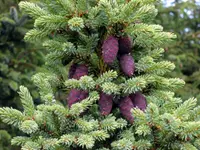
Blue spruce, Picea pungens, is an evergreen conifer tree valued for its dense, pyramidal form and stiff, sharply pointed needles in blue-gray to silvery tones. It is native to the Rocky Mountains of the western United States, where it grows in cool, high-elevation forests. In gardens and landscapes, it is typically used as a specimen tree or windbreak and can become quite large with age. Growth is relatively slow and steady, and the tree is generally hardy but dislikes prolonged heat, severe drought, or waterlogged soil. It prefers full sun, evenly moist but well-drained soil, and benefits from thoughtful planning on how to care for blue spruce over many years.

Main Plant Requirements

Care Difficulty

Moderate Care

Light Preference

Full Sun

Water Requirements

Moderate Water

Temperature Preference

Cold Hardy

Hardiness Zone

2–7

Soil Texture

Sandy, Loamy, Rocky

Soil pH

Acidic (5.5–6.5), Slightly acidic (6.5–7.0)

Soil Drainage

Well-drained

Fertilization

Minimal (feed rarely)

Get Personalized Care Plan

Scan your plant to receive care tips personalized for your specific plant

Available on iOS and Android

How to Care for the blue spruce

This conifer prefers bright, open conditions to develop dense, blue foliage and strong growth.

  • Provide full sun for 6–8 hours per day; best color and form occur in unobstructed exposure.
  • Tolerates light partial shade, especially in very hot climates, but expect looser growth and duller needles.
  • In summer, young blue spruce may benefit from protection from intense late-afternoon sun in zones with frequent heatwaves.

Picea pungens prefers evenly moist, cool soil but is sensitive to both drought and standing water.

  • Water when the top 5–8 cm of soil feel dry, then soak the root zone deeply rather than giving light, frequent splashes.
  • Ensure sharply draining soil; prolonged puddling, sour smell, or yellowing, dropping needles indicate overwatering or poor drainage.
  • In the first 2–3 years, increase watering in hot, dry periods; older trees show drought stress with browning needle tips and premature needle drop.

This species is naturally cold-hardy and performs best in climates with cool to cold winters and moderate summers.

  • Optimal growing temperatures are about 55–75°F (13–24°C), with cool nights enhancing vigor and needle color.
  • Mature trees tolerate down to about -40°F (-40°C), but young plants benefit from wind protection in severe cold snaps.
  • Handles summer heat up to about 90°F (32°C) if soil stays moist and roots are mulched; prolonged hotter periods can cause needle scorch and general decline.

This species tolerates relatively dry air and humidity is usually not a limiting factor outdoors.

This conifer prefers cool, moist but well-aerated soil with strong drainage for long-term health.

  • Use a loamy or sandy loam structure with moderate organic matter to hold moisture but prevent waterlogging.
  • Aim for slightly acidic to neutral pH, roughly 6.0–7.5, which suits Picea pungens root function.
  • Improve drainage and aeration by blending coarse sand or fine gravel with composted bark or leaf mold.
  • Avoid heavy clay, compacted sites, and any mix that stays saturated for more than 24 hours after rainfall or watering.

This species can be grown in containers for several years, especially when kept as a small to medium specimen.

  • Choose a deep, heavy container that resists tipping, since the plant becomes tall and wind-sensitive over time.
  • Select a pot that allows at least 20–30 cm of lateral root spread to prevent early circling and stunting.
  • Use a fast-draining, bark-based conifer mix that sheds excess water quickly yet retains enough moisture in hot weather.

Picea pungens grows best in moderately fertile, well-drained soil and usually needs only light supplemental feeding in managed landscapes.

  • Apply a balanced slow-release fertilizer (for example 10-10-10 or 14-14-14) once in early spring as new growth begins.
  • Use a low to moderate dose based on label rates; avoid high-nitrogen lawn fertilizers that push weak, lush growth.
  • Skip or reduce feeding in late summer and winter to avoid stimulating tender growth before cold weather.
  • On poor or sandy sites, a thin layer of compost over the root zone each spring supports long-term soil health when caring for blue spruce.

Picea pungens needs minimal structural pruning but benefits from periodic cleanup to maintain health and a natural outline.

  • Best time for light pruning is late winter to early spring, before active growth, or just after new growth hardens in early summer.
  • Remove dead, diseased, crossing, or storm-damaged branches using clean, sharp bypass pruners or a pruning saw.
  • Avoid cutting back into bare, brown interior wood, since new buds do not form readily on old stems.
  • Limit pruning to twig tips to slightly reduce size or density while preserving the tree’s natural conical shape.

Blue spruce is rarely a long-term container plant; management usually focuses on timely transplanting from pots into the landscape.

  • Plan transplanting for early spring or early fall when soil is cool and moisture is more reliable.
  • Look for signs such as roots circling the container drainage holes, very quick drying soil, or slowed growth.
  • Move up only 1–2 pot sizes or into a prepared ground hole 2–3× wider than the root ball but no deeper.
  • Keep the root ball intact, water thoroughly after planting, mulch 5–8 cm deep, and maintain steady soil moisture to limit transplant shock.

Picea pungens is propagated mainly by seed in nurseries, with cuttings used more rarely for specific cultivars.

  • Collect ripe cones in late summer to fall; extract seeds and cold stratify them moist at 34–41°F for 6–8 weeks.
  • Sow stratified seed in a free-draining conifer mix, barely covered, and keep evenly moist in bright, cool conditions.
  • Semi-hardwood cuttings taken in late summer root slowly; use rooting hormone, bottom heat, and high humidity.
  • Allow seedlings or rooted cuttings to grow in containers for several years before planting out, to develop strong root systems.

This species is naturally cold hardy and usually needs little special winter care in most temperate climates.

  • Mature trees tolerate severe frost, but newly planted specimens benefit from extra attention during the first 1–2 winters.
  • Apply 5–8 cm of mulch over the root zone in late fall, keeping it a few cm away from the trunk.
  • Water deeply before ground freeze in dry autumns so roots enter winter well hydrated, then water only during thaw periods if soil becomes very dry.

Care Tips

Windward placement

Site the tree with its strongest side facing prevailing winds and avoid narrow wind tunnels so branches develop evenly and are less prone to breakage in winter storms.


Snow load management

After heavy, wet snowfall, gently push up from beneath sagging branches with a broom rather than knocking from above to reduce the risk of snapping young or lower limbs.

Trunk protection ring

Install a 60–90 cm mulch-free grass or gravel ring around the trunk to protect surface roots from mower and string trimmer damage and to keep lower branches cleaner and healthier.

Lower branch retention

Avoid removing lower branches on young trees unless absolutely necessary, since they shade the root zone, improve trunk taper, and help create a stable, naturally conical structure.

Targeted pest scouting

From late spring through summer, inspect interior branches and the previous year’s needles every 2–4 weeks for early signs of aphids, spider mites, and needle cast, so that caring for blue spruce can include timely, localized treatments instead of broad sprays.

Common Pests and Diseases

Cytospora canker

This disease causes branch dieback, often starting on lower branches, with sunken, discolored bark and white resin oozing from infected areas.

Solution

Prune out infected branches during dry weather back to healthy wood, disinfecting tools between cuts, and avoid leaving stubs. Reduce stress by providing adequate water during drought, mulching the root zone, and avoiding trunk injury, since stressed trees are far more susceptible to Cytospora canker.

Rhizosphaera needle cast

This disease leads to premature browning and shedding of older needles, usually from the lower inner branches outward, while tiny black fungal fruiting bodies form in neat rows on infected needles.

Solution

Remove and dispose of heavily infected branches and fallen needles to lower spore levels, and improve air circulation by avoiding crowding and overhead irrigation. In high-pressure areas, apply a registered chlorothalonil or copper-based fungicide in spring as new growth emerges, following label directions for timing and repeat treatments.

Spruce spider mites

These insects feed on needles, causing dull, grayish stippling, fine webbing, and eventual needle drop, especially on inner branches.

Solution

Rinse infested branches thoroughly with a strong stream of water to knock mites off, focusing on undersides of needles, and repeat weekly during outbreaks. In severe cases, use a horticultural oil or insecticidal soap labeled for conifers, applied in cool weather to avoid foliage burn, as part of responsible Picea pungens care.

Eastern spruce gall adelgid

This pest causes cone-like galls to form at the base of new shoots, which can distort growth and, over time, thin the canopy on affected trees.

Solution

Prune off and destroy galls before they open in late spring to reduce the adelgid population. For high-value trees with recurring issues, consider a systemic insecticide or a well-timed dormant or early spring spray recommended for adelgids, applied according to local extension guidance.

Cooley spruce gall adelgid

This pest produces elongated, pineapple-shaped galls on current-year shoots, leading to twig distortion and scattered dieback when infestations are heavy.

Solution

Clip and dispose of galls before adelgids emerge, usually in late spring, to interrupt the life cycle. Where damage is chronic, time a registered insecticidal spray to target overwintering adelgids on spruce just before budbreak, based on local extension timing charts.

Interesting Facts

Distinct blue needle wax

The blue color of Colorado blue spruce needles comes from a thick waxy coating called epicuticular wax, which reflects light and reduces water loss in the dry, high-elevation habitats where this species evolved.

High-elevation specialist

In the wild, this species is native mainly to the central and southern Rocky Mountains, where it often grows along cold streams and on moist mountain slopes between roughly 1,800–3,000 m, tolerating long winters and short summers.

Strong genetic color variation

Wild populations show considerable genetic variation in needle color, from dull green to silvery blue, which allowed horticulturists to select and clone especially blue individuals that became popular ornamental cultivars.

Botan icon

Did you know?

Colorado blue spruce can live for several centuries in its native range, and some wild individuals are estimated, based on ring counts from fallen trees, to exceed 400 years of age in harsh high-mountain conditions.

FAQs about blue spruce

This species is generally slow-growing, adding about 15–30 cm per year under good conditions. Growth is faster in youth, then slows with age. Adequate light, moisture, and soil fertility help maintain steady but moderate extension growth.

Grow Healthy Plants with Botan Care

Keep your plants happy and healthy with plant identification, disease detection, and easy care guidance.

Botan plant care app — identify plants on mobile

Explore More Plants