High-elevation snow reliance
In its native Rocky Mountain range, Picea pungens depends heavily on slow snowmelt rather than frequent rain, so roots are adapted to steady, cold moisture in spring instead of rapid wet–dry cycles.

This page explains when, how often, and how much to water Picea pungens for stable, healthy growth.

Water Requirements
Moderate Water

This hardy conifer evolved in cool, often dry mountain regions, so it tolerates moderate soil dryness between deep waterings. Picea pungens prefers slightly moist but never saturated soil, with brief drying rather than constant dampness.
In-ground trees generally rely on natural rainfall, with supplemental watering during extended dry spells. Container-grown specimens dry out faster, so watering blue spruce in pots usually needs closer attention than established landscape trees.
Let the top 1–2 inches (3–5 cm) of soil dry before watering again, whether the plant is in the ground or in a container. Newly planted blue spruce may need water about once a week, while established trees usually go longer between waterings, especially in cooler weather or partial shade.
Water blue spruce when the top 2-3 inches of soil feel dry, using slow, deep soaking focused on the root zone.
Incorrect moisture around Picea pungens can quietly stress growth and invite serious health problems.
Older interior needles turn yellow and drop when soil stays slightly too wet for extended periods.
Outer needle tips brown and dry when soil repeatedly swings between very wet and very dry.
Roots darken and lose firmness in persistently saturated, poorly drained soil, slowing overall growth.
New shoots emerge short and sparse when chronic moisture imbalance weakens fine feeder roots.
Maintain deep, infrequent watering in well-drained soil, allowing surface layers to partially dry between soakings.
Unsuitable watering habits weaken Picea pungens by stressing its shallow roots, reducing vigor, and making blue spruce more vulnerable to environmental extremes.
Aim for deep, infrequent watering into well-drained soil, guided by actual moisture levels and seasonal conditions rather than rigid routines.

Watering Advice
Learn when to water your plant and avoid common watering mistakes.
Use Botan for a clear watering guide and practical care steps for blue spruce. The app can also review plant photos to help notice early signs of stress or other issues.

In its native Rocky Mountain range, Picea pungens depends heavily on slow snowmelt rather than frequent rain, so roots are adapted to steady, cold moisture in spring instead of rapid wet–dry cycles.
Unlike many conifers, Picea pungens naturally occupies stream banks and moist mountain valleys, showing relatively high tolerance for cold, periodically saturated soils, as long as water is moving and not stagnant.
In natural stands, Picea pungens forms shallow, wide-spreading roots that exploit surface moisture from snowmelt and summer storms, making the species sensitive to surface drying despite its overall cold- and drought-tolerant reputation.
Check the soil 3–4 inches (7–10 cm) down; it should feel barely moist, not wet or powder-dry. Needles may dull or slightly droop if it stays too dry. Adjust how often to water based on soil feel.
Botan reviews your plant’s watering pattern to support healthier moisture habits.
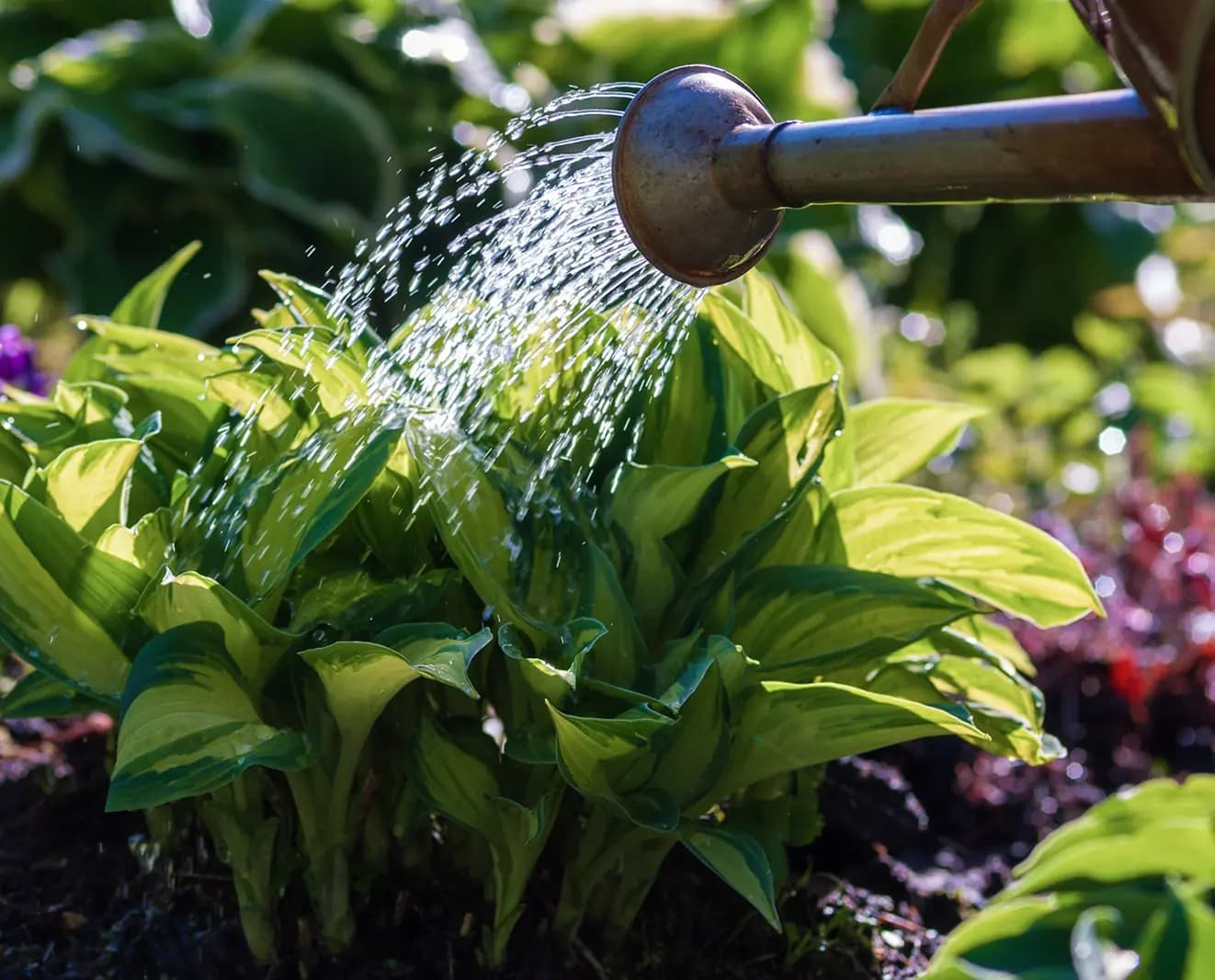

12 min read · 7 Aug 2026
A front yard tree can stay for decades. Therefore, choosing one deserves serious consideration. Here are 13 trees that have proven themselves, sorted by their purpose. You'll also find five species to avoid and basic planting information.
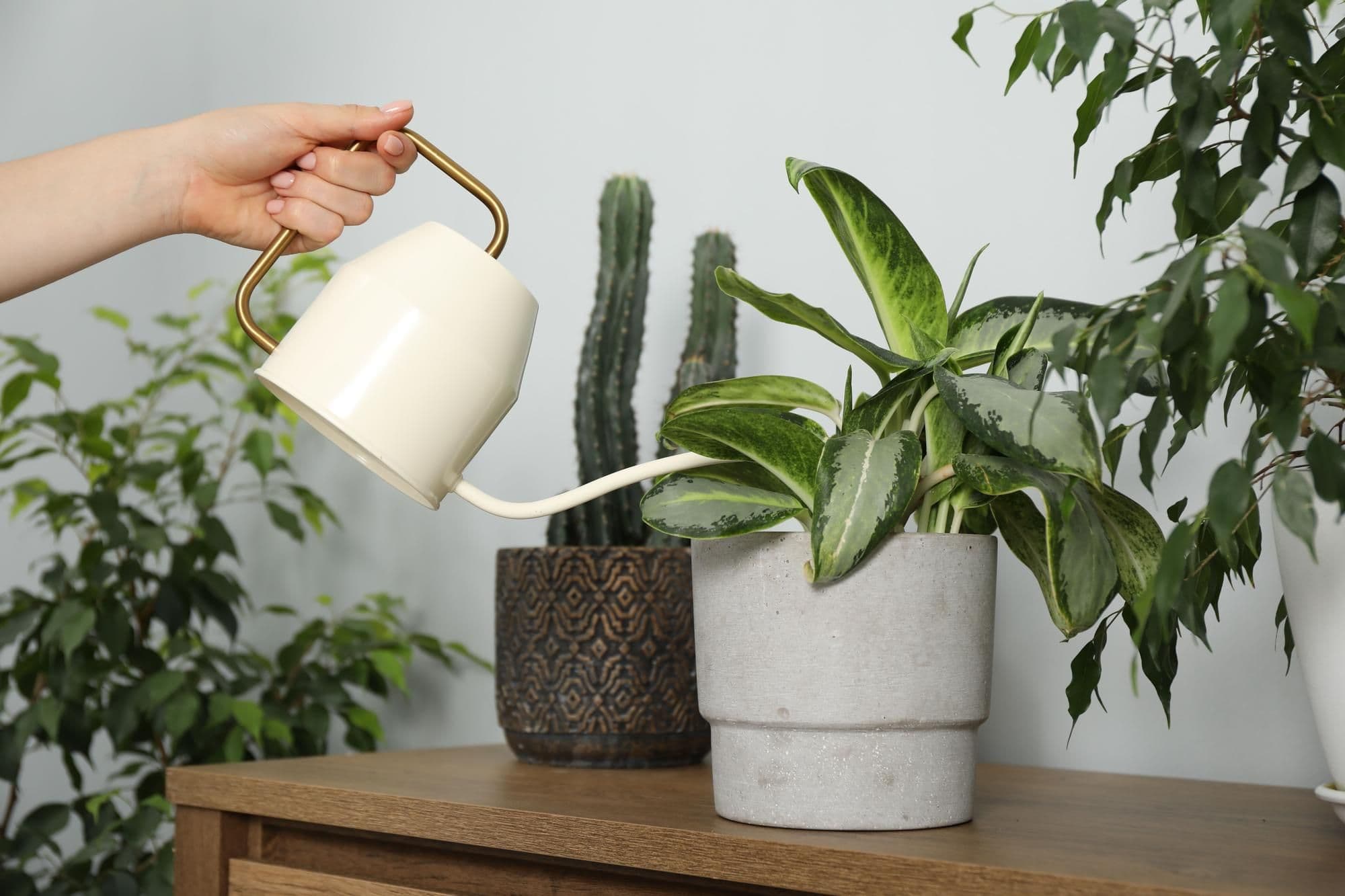
7 min read · 24 Aug 2026
Learn how often to water indoor plants, key factors for proper watering, and how to adjust the care routine by plant type, season, pot size, light, and indoor conditions.

8 min read · 8 Jul 2026
Discover the top 10 houseplants that are suitable for growing in your bedroom. Compare their light and water needs, pet safety, and benefits. Find out where best to place greenery in your relaxation space and what species to avoid.