Shallow, thirsty roots
Persea americana forms a dense, shallow root system concentrated in the top 6–8 inches (15–20 cm) of soil, which dries out quickly and makes the tree highly sensitive to both drought stress and surface soil moisture changes.

This page explains when, how often, and how much to water Persea americana in simple, practical terms.

Water Requirements
Moderate Water
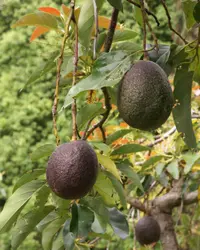
Native to seasonally dry subtropical regions, Persea americana experiences distinct wet and drier periods that shape its moisture needs. In most homes and gardens, watering Avocado means keeping soil lightly moist, not saturated, allowing brief surface drying between sessions.
Outdoor trees usually rely more on natural rainfall, while container plants indoors or on patios depend on more regular, monitored watering. This section outlines the overall approach so later details can refine timing for different environments and plant sizes.
Water when the top 1–2 inches (3–5 cm) of soil feel dry, rather than on a fixed schedule. Indoor Persea americana typically needs watering about once a week in bright, warm conditions, stretching to every 10–14 days in cooler, lower-light seasons or in larger pots.
Water Avocado when the top 2 inches of soil feel dry, using a slow, deep soak that reaches the full root zone.
Incorrect moisture levels can quickly stress Persea americana and lead to several avoidable disorders.
Older leaves turn dull yellow with slowed growth from roots sitting in constantly saturated, airless soil.
Brown, crispy tips and margins develop when watering is irregular or salts accumulate in dry soil.
Previously healthy foliage falls rapidly after severe overwatering, causing root decline and impaired uptake.
Limp, drooping foliage despite moist substrate indicates root rot from prolonged excess water and poor drainage.
Keep roots evenly moist in well-drained soil, avoiding prolonged saturation and deep, repeated drying.
Unsuitable watering habits can quickly stress Persea americana, because avocado roots demand both consistent moisture and abundant oxygen around them.
Safer avocado watering means monitoring the root zone, adjusting to conditions, and pairing careful moisture with fast drainage and air space.
Watering Advice
Learn when to water your plant and avoid common watering mistakes.
Use Botan to get a tailored watering guide and care steps for Avocado (Persea americana), plus gentle photo-based checkups that help notice leaf, stem, or soil issues early.
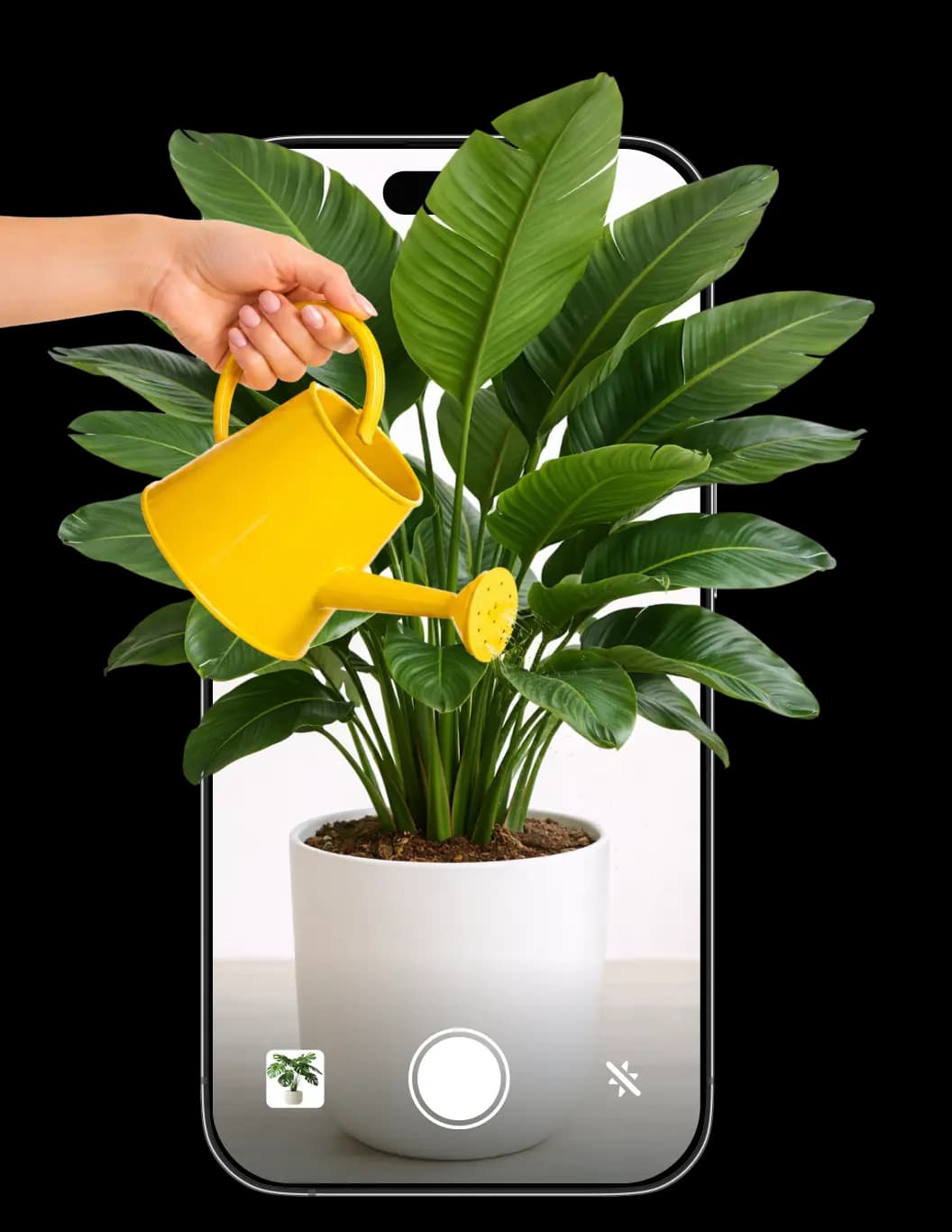
Persea americana forms a dense, shallow root system concentrated in the top 6–8 inches (15–20 cm) of soil, which dries out quickly and makes the tree highly sensitive to both drought stress and surface soil moisture changes.
In its native habitat, Persea americana often grows in well‑drained volcanic or alluvial soils and shows poor tolerance to waterlogging, with root asphyxiation and rot developing if soil stays saturated for long periods.
Mature Persea americana trees can transpire large volumes of water through their broad evergreen canopy, so in warm, dry conditions they require consistent soil moisture to support continuous leaf function and fruit development.
Yellowing soon after watering usually points to soggy, poorly drained soil and low oxygen around the roots. Check for compacted mix, clogged drainage holes, or watering too frequently, and let the top layer dry more between waterings.
Use Botan to review your watering pattern and confirm it matches your plant’s needs.

10 min read · 7 Jul 2026
Bamboo grows extremely fast: some species can reach 5-6 m in just 3-4 months under the right conditions. This guide explains how much bamboo can grow per day, week, and year, and what affects its growth rate.
10 min read · 25 Aug 2026
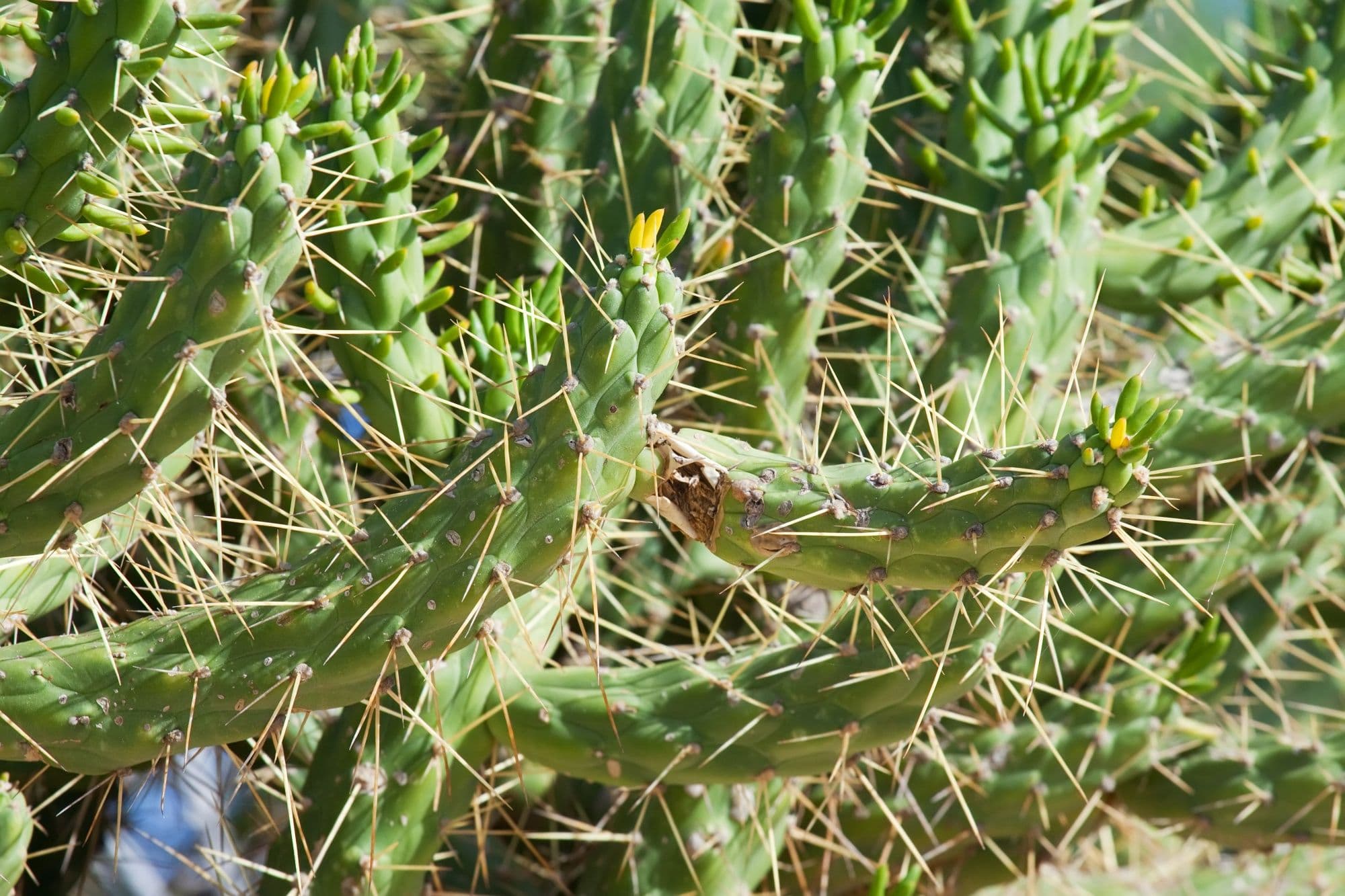
Many plants defend themselves with sharp thorns. This guide explores over 20 examples among flowers, shrubs, trees, and vines. You'll learn what each plant looks like, why it grows thorns, and how to quickly identify them.
8 min read · 24 Jul 2026
Spiders constantly appear in places you don't want them. A few common plants can help repel them using scent alone. Here are 12 options suitable for both indoors and outdoors, plus care tips for each.