

Avocado (Persea americana) Light Needs

avocado grows best in full sun, with several hours of direct light and bright exposure through the day.

Light Preference

Full Sun

Persea americana Light Requirements

Persea americana is native to warm regions of Mexico and Central America, where it grows in bright tropical to subtropical conditions. Young trees may start with some protection from surrounding vegetation, but productive mature trees develop best where the canopy receives open sun. This background explains why cultivated plants tolerate partial sun but perform more strongly with long, bright exposure. Preferred light is full sun.

  • Ideal exposure:

    avocado needs about 6–8 hours of bright exposure daily, ideally full sun, including at least 4–6 hours of direct sun.

  • Direct sun:

    Established plants tolerate full sun, but leaves grown in dimmer conditions can scorch if moved suddenly into harsh light.

  • Partial sun:

    Partial sun is tolerated, especially with strong morning light, but growth is usually slower than in full sun.

  • Low light:

    Shade is not suitable for long-term growth and commonly leads to stretched, weak stems.

Indoors, avocado needs the brightest window available and benefits from direct sun close to the glass.

NPoor
North-facing window:

A north window is usually too dim for steady growth unless the view is unusually open and bright.

ESuitable
East-facing window:

An unobstructed east window can work for young plants, especially if it gives several hours of morning sun and bright light for the rest of the day.

SBest
South-facing window:

A south-facing window is usually best, especially within 1–3 ft of the glass, with gradual acclimation to stronger midday sun.

WSuitable
West-facing window:

A west window is suitable if the plant is acclimated to direct afternoon sun or slightly filtered during the hottest months.

Place the plant where it receives the longest bright exposure available, then adjust if leaves show scorch or weak growth.

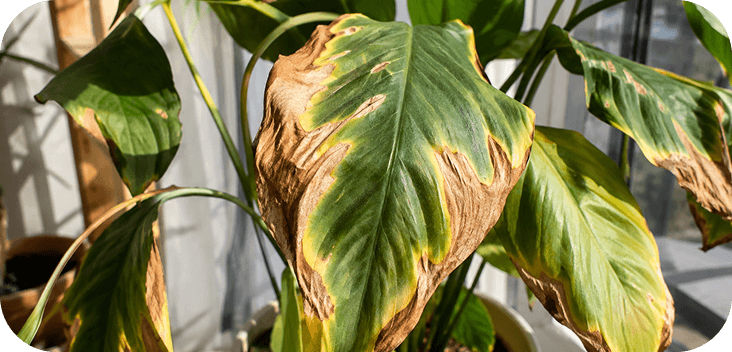
Strong sun can cause stress after a sudden increase in exposure.

Bleached patches:

Pale tan areas may appear on the leaf surfaces facing the sunniest glass or hottest afternoon light.

Crisp scorch spots:

Dry, papery spots can form where leaves were exposed to intense direct sun without acclimation.

Heat-cupped leaves:

Leaves may curl, angle away, or look dull during the brightest part of the day.

Damaged new growth:

Soft young leaves can mark faster than older leaves when Persea americana is moved into full sun too quickly.

Move it back from hot glass or filter the strongest afternoon rays. Increase direct sun again gradually over 1–2 weeks.

Low light usually shows through weak structure before severe decline.

  • Stretched stems:

    New growth may become long and thin, with wider gaps between leaves than usual.

  • One-sided leaning:

    Stems may bend toward the brightest side instead of growing upright.

  • Small new leaves:

    Fresh leaves may emerge smaller or paler when the plant cannot produce enough energy.

  • Slow warm-season growth:

    Little change during spring and summer can suggest that Persea americana is not receiving enough light.

Move it to a brighter position with direct sun if possible. Make the change gradually if the new spot is much brighter, rather than a sudden jump into harsh afternoon sun.

If ideal full sun is not available, choose the brightest area that gives several hours of direct sun rather than a dim spot with all-day ambient light.

Rotate the pot a quarter turn every 1–2 weeks to keep growth balanced and reduce leaning toward the strongest light source.

A position several feet from bright light is usually too dim for strong growth, even if the room looks bright.

Get Personalized Care Plan

Scan your plant to receive care tips personalized for your specific plant

FAQ

For avocado light requirements, aim for 6–8 hours of bright exposure each day, with at least 4–6 hours of that as direct sun when possible.

More Plant Light Guides

Get the Botan App

Discover how to care for your plants with Botan.

Botan app identifying a plant with a phone camera
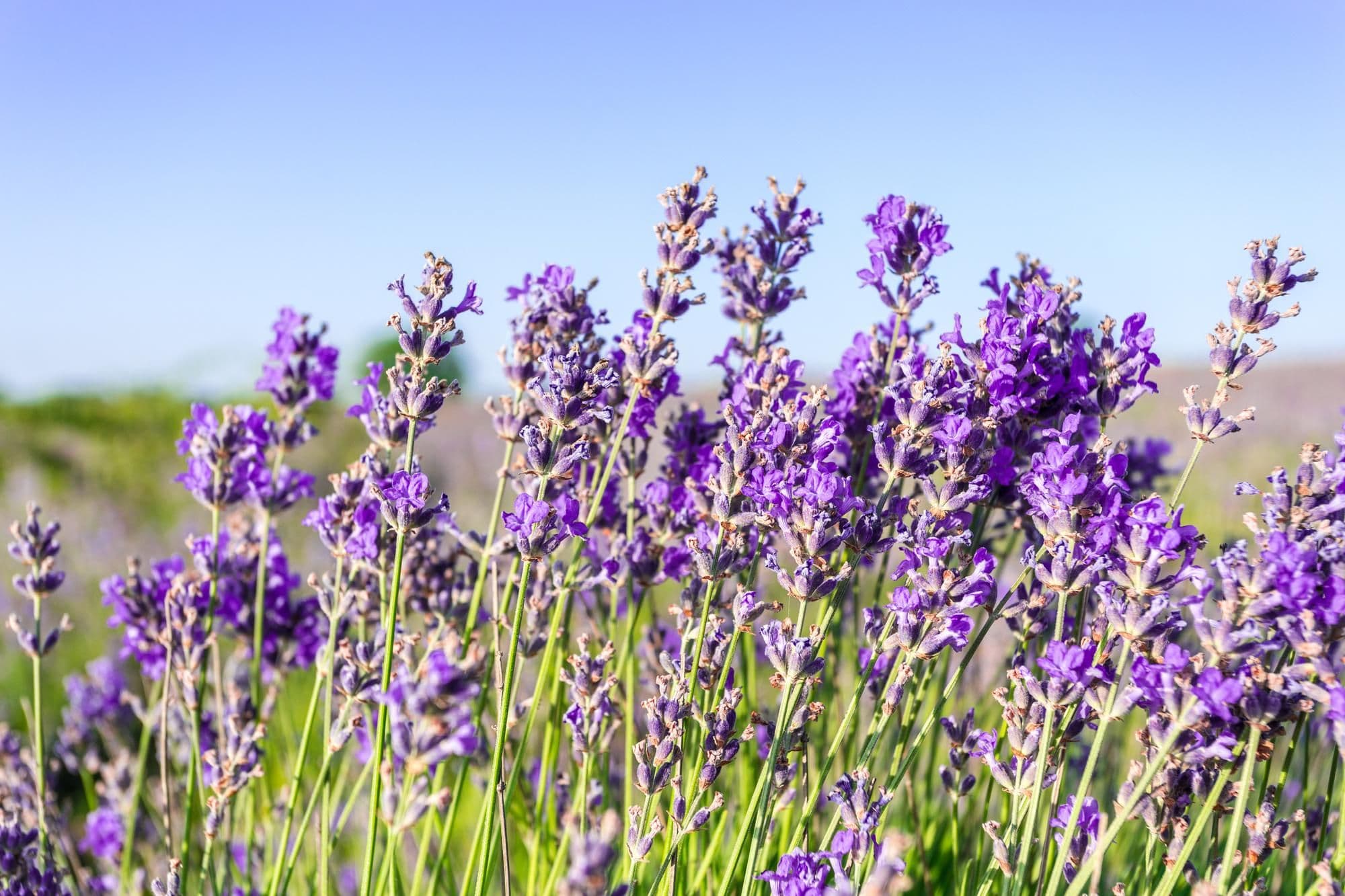
12 Best Plants That Repel Spiders For Your Home and Garden

8 min read · 24 Jul 2026

12 Best Plants That Repel Spiders For Your Home and Garden

Spiders constantly appear in places you don't want them. A few common plants can help repel them using scent alone. Here are 12 options suitable for both indoors and outdoors, plus care tips for each.

Plant Recommendations
12 Best Plants That Repel Spiders For Your Home and Garden
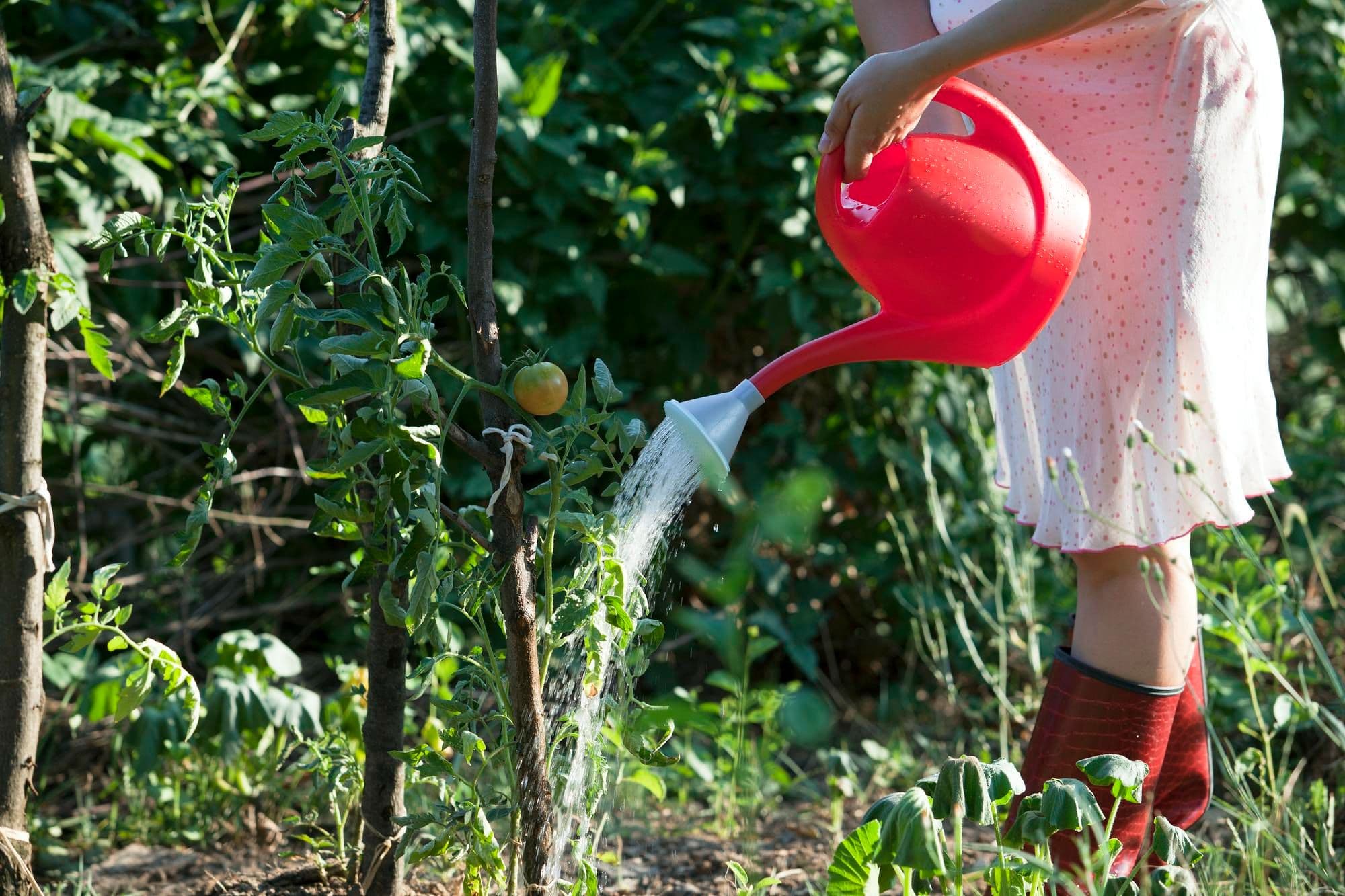
How Often to Water Fruit Trees

7 min read · 11 Aug 2026

How Often to Water Fruit Trees

Irrigation needs change as roots establish and weather shifts. This guide gives practical starting intervals, explains how soil and tree type change them, and shows how to recognize both excess moisture and drought stress.

Plant Care
How Often to Water Fruit Trees
Best Water for Plants – How to Choose the Right Type

7 min read · 13 Aug 2026

Best Water for Plants – How to Choose the Right Type

Rainwater, filtered, distilled, and tap water affect plants differently. Learn which types support healthy growth and which cause slow damage. Match each to your plants and discover how to easily improve tap water quality.

Plant Care
Best Water for Plants – How to Choose the Right Type