

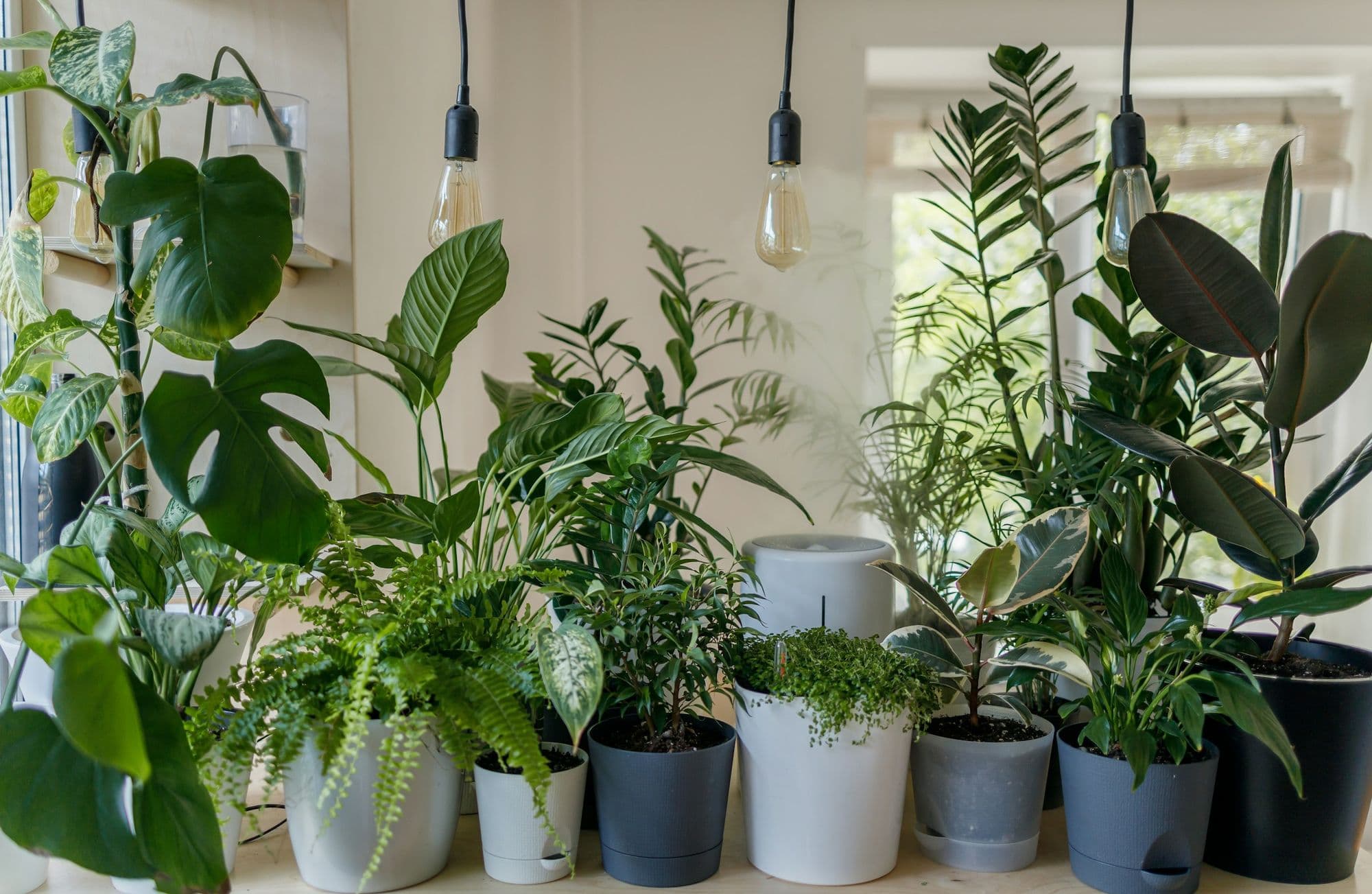
mango tree (Mangifera indica) Light Needs

A mango tree grows best in full sun, with long daily exposure to direct, unfiltered light.

Light Preference

Full Sun

Mangifera indica Light Requirements

Mangifera indica is native to South Asia and is associated with warm tropical to subtropical climates, including monsoon regions with strong seasonal sun. In open habitats and orchards, mature trees receive direct light for much of the day, while seedlings may experience brief shelter from nearby vegetation. Cultivated trees follow the same pattern: they tolerate some partial sun, but growth and flowering are strongest in full exposure. It prefers full sun.

  • Ideal exposure:

    A mango tree needs about 6–8 hours of full sun daily, including at least 6 hours of direct sun when possible.

  • Direct sun:

    Established plants tolerate strong direct sun well, especially outdoors in warm conditions.

  • Partial sun:

    Partial sun is tolerated, but weaker light can reduce growth, flowering, and fruiting.

  • Afternoon intensity:

    Young or recently shaded plants may need gradual exposure before handling hot afternoon sun.

Full-sun tolerance is strongest after gradual exposure.

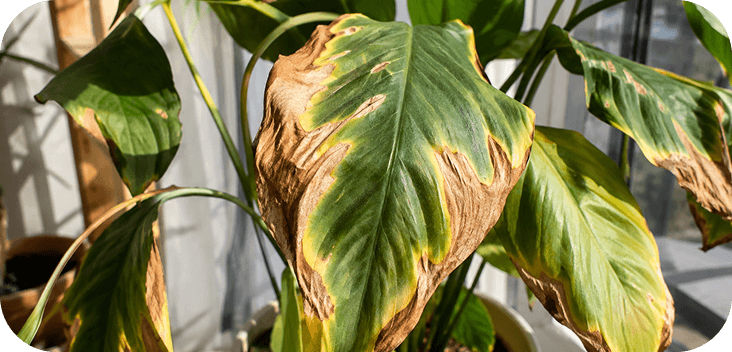
Bleached patches:

Pale tan or whitish areas may appear on the upper leaf surface, especially on leaves facing the strongest afternoon sun.

Scorched new flush:

Tender new leaves can develop dry, papery spots when a shaded Mangifera indica is moved into direct sun too quickly.

Heat-cupped leaves:

Leaves may curl or cup during intense midday conditions, then look more normal after the light weakens.

One-sided injury:

Damage often appears on the sun-facing side, while shaded inner leaves look mostly unchanged.

Move the plant into gentler sun or provide light afternoon shade. Reintroduce stronger direct light over 1–2 weeks.

Too little light usually shows as weak structure before sudden decline over time.

  • Stretched shoots:

    New stems may lengthen with wider spacing between leaves as the plant reaches toward stronger light.

  • Leaning canopy:

    Growth may angle toward the brightest side, especially in containers or near buildings.

  • Small new leaves:

    Fresh growth can emerge smaller than expected when light is not strong enough to support normal development.

  • Poor flowering:

    Low light can reduce flowering and fruiting because this species needs strong sun to build energy.

Move it to a brighter, open exposure with direct sun. Increase light gradually if it has been in shade for a long period.

If full sun is not available, choose the brightest open position rather than a shaded corner. Give priority to morning and midday sun if harsh late-afternoon heat causes leaf scorch.

For a container-grown young tree, rotate the pot every 1–2 weeks so all sides receive direct light. Remove nearby obstructions that cast shade during the brightest part of the day.

Deep shade is unsuitable because it limits sturdy growth and reduces flowering potential.

Get Personalized Care Plan

Scan your plant to receive care tips personalized for your specific plant

FAQ

The best light for mango tree is full sun. In practical terms, that means an open, bright position with several hours of direct sun each day, especially during the active growing season.

Everything About mango tree

More Plant Light Guides

Get the Botan App

Discover how to care for your plants with Botan.

Botan app identifying a plant with a phone camera
Top 15 Plants That Don’t Need Sunlight

8 min read · 17 Sept 2026

Top 15 Plants That Don’t Need Sunlight

Some plants thrive in dim rooms, shaded corners, and places with indirect light. In this guide, you’ll explore the top 15 species best suited to low-light conditions and how to care for them.

Plant Recommendations
Top 15 Plants That Don’t Need Sunlight
How to Increase Humidity for Plants – 8 Simple Ways That Work

8 min read · 14 Aug 2026

How to Increase Humidity for Plants – 8 Simple Ways That Work

Dry indoor air stresses a lot of houseplants. You usually notice it first in the browning leaf tips. This guide describes 8 simple ways to raise the moisture around your plants, from humidifiers to pebble trays.

Plant Care
How to Increase Humidity for Plants – 8 Simple Ways That Work
13 Best Front Yard Trees for Every Home and Yard

12 min read · 7 Aug 2026

13 Best Front Yard Trees for Every Home and Yard

A front yard tree can stay for decades. Therefore, choosing one deserves serious consideration. Here are 13 trees that have proven themselves, sorted by their purpose. You'll also find five species to avoid and basic planting information.

Plant Recommendations
13 Best Front Yard Trees for Every Home and Yard