Best Soil for mango tree (Mangifera indica)

For strong root growth, Mangifera indica needs loose, well-drained soil with a sandy-loamy texture and a slightly acidic to acidic reaction.

Soil Texture

Sandy, Loamy, Organic-rich

Soil pH

Acidic (5.5–6.5), Slightly acidic (6.5–7.0)

Soil Drainage

Well-drained

Mangifera indica Soil Guide

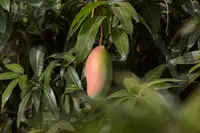
Native to South Asia, Mangifera indica comes from warm tropical to subtropical areas where soil is often loose, mineral-rich, and drains freely after rain. That background explains why the plant prefers soil that stays lightly moist but never dense or waterlogged.

A mango tree develops a strong root system that needs oxygen around the roots as much as steady moisture. The best soil for mango tree growth is sandy or loamy, with some organic matter to hold moisture without becoming heavy. Slightly acidic to near-neutral soil supports balanced root activity.


A simple homemade mix can give Mangifera indica the balance of drainage and root contact it needs in a container.

100% total mix = 20 scoops
10%
compost or fine bark2 scoops
20%
perlite or pumice4 scoops
30%
coarse sand6 scoops
40%
high-quality potting soil8 scoops

The finished blend should feel crumbly and gritty, hold together only lightly when squeezed, and let excess moisture move through without staying soggy.

Root stress often starts below the surface, especially when conditions stay airless for too long. Mangifera indica is less tolerant of stagnant root zones than many houseplants.

Compacted soil:

Dense, tight media can slow root spread and keep air from reaching the root zone; gently loosen the surface and plan to replace the mix with a more open one.

Poor drainage:

If water sits on the surface or the container stays heavy for days, drainage may be too slow; check the drain holes and reduce fine, clogging material.

Salt buildup:

A crust on the soil surface can point to accumulated minerals from water or past feeding; scrape off the top layer and flush the pot thoroughly.

Hydrophobic mix:

If dry soil shrinks from the pot edge and resists wetting, re-moisten it gradually so the root ball can absorb moisture evenly again.

Get the Soil Right

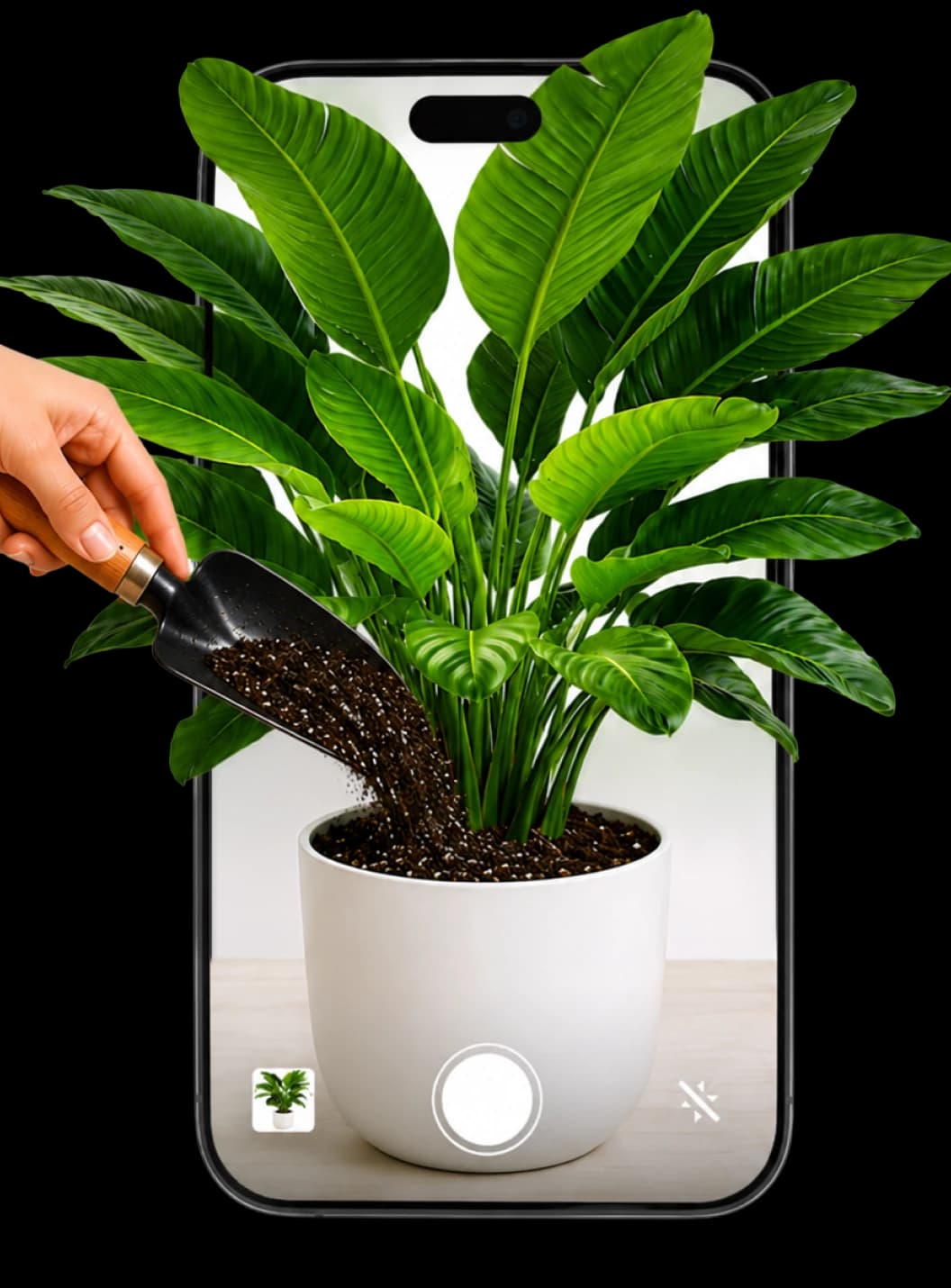
Botan helps match this plant to a more suitable soil setup based on its growth habit, container conditions, and visible care patterns.

FAQ

Yes. This species develops a strong root system, so a deeper pot supports steadier moisture patterns and better anchoring than a very shallow container, especially as it grows larger.

Everything About mango tree

More Plant Soil Guides

Could It Be the Soil?

Soil may be part of the issue. Botan’s photo-based assessment can help check whether the growing medium is contributing to what you see.

Botan app helping with soil and plant care
Top 15 Plants That Don’t Need Sunlight

8 min read · 17 Sept 2026

Top 15 Plants That Don’t Need Sunlight

Some plants thrive in dim rooms, shaded corners, and places with indirect light. In this guide, you’ll explore the top 15 species best suited to low-light conditions and how to care for them.

Plant Recommendations
Top 15 Plants That Don’t Need Sunlight
How to Increase Humidity for Plants – 8 Simple Ways That Work

8 min read · 14 Aug 2026

How to Increase Humidity for Plants – 8 Simple Ways That Work

Dry indoor air stresses a lot of houseplants. You usually notice it first in the browning leaf tips. This guide describes 8 simple ways to raise the moisture around your plants, from humidifiers to pebble trays.

Plant Care
How to Increase Humidity for Plants – 8 Simple Ways That Work
13 Best Front Yard Trees for Every Home and Yard

12 min read · 7 Aug 2026

13 Best Front Yard Trees for Every Home and Yard

A front yard tree can stay for decades. Therefore, choosing one deserves serious consideration. Here are 13 trees that have proven themselves, sorted by their purpose. You'll also find five species to avoid and basic planting information.

Plant Recommendations
13 Best Front Yard Trees for Every Home and Yard