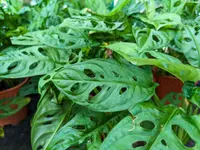



Best Soil for Swiss Cheese Vine (Monstera adansonii)

Monstera adansonii grows best in a loose, moisture-retentive, well-drained mix that supports healthy roots and steady oxygen flow.

Soil Texture

Loamy, Organic-rich

Soil pH

Acidic (5.5–6.5), Slightly acidic (6.5–7.0)

Soil Drainage

Moist but well-drained

Monstera adansonii Soil Guide

Native to tropical Central and South America, Monstera adansonii grows in warm, humid forests where roots stay lightly moist but still get plenty of air. That background explains why Swiss Cheese Vine soil should feel rich and loose, not dense or soggy.

Its roots prefer a loamy, organic-rich substrate that holds some moisture while draining well. A slightly acidic to neutral soil suits nutrient uptake, and good aeration supports healthy root growth for this climbing aroid, which is not adapted to compact, waterlogged conditions.

A homemade mix gives more control over texture and drainage for Monstera adansonii than many standard indoor potting blends.

100% total mix = 20 scoops
15%
perlite or pumice3 scoops
20%
coco coir or peat moss4 scoops
25%
orchid bark5 scoops
40%
high-quality potting soil8 scoops

The finished blend should feel springy, chunky, and lightly fluffy, with moisture spreading evenly before excess drains away.

Swiss Cheese Vine does best in slightly acidic to mildly acidic soil, around 5.5–6.8 pH. In that range, key nutrients stay more available to the roots instead of becoming harder for the plant to absorb.

It can usually handle small shifts within that range, but strongly alkaline or very acidic conditions may reduce nutrient uptake over time. A near-slightly-acidic mix supports balanced growth most consistently.

This species can react poorly when roots stay stressed for long periods. Monstera adansonii often responds first to soil that has lost its structure or balance.

Compacted mix:

Compacted mix: soil feels dense, dries slowly, and limits air around roots, so gently loosen the surface and plan to replace the mix if it stays tight.

Staying soggy:

Staying soggy: a potting medium that remains wet for too long can increase root stress, so check drainage and let excess moisture escape fully.

Dry pockets:

Dry pockets: peat-heavy or old mix may repel water and leave some roots dry, so moisten the soil evenly and break up hardened areas.

Breakdown over time:

Breakdown over time: if the mix has turned fine and muddy, refresh it with a coarser blend that restores air space and more even moisture movement.

Scan for Soil Tips

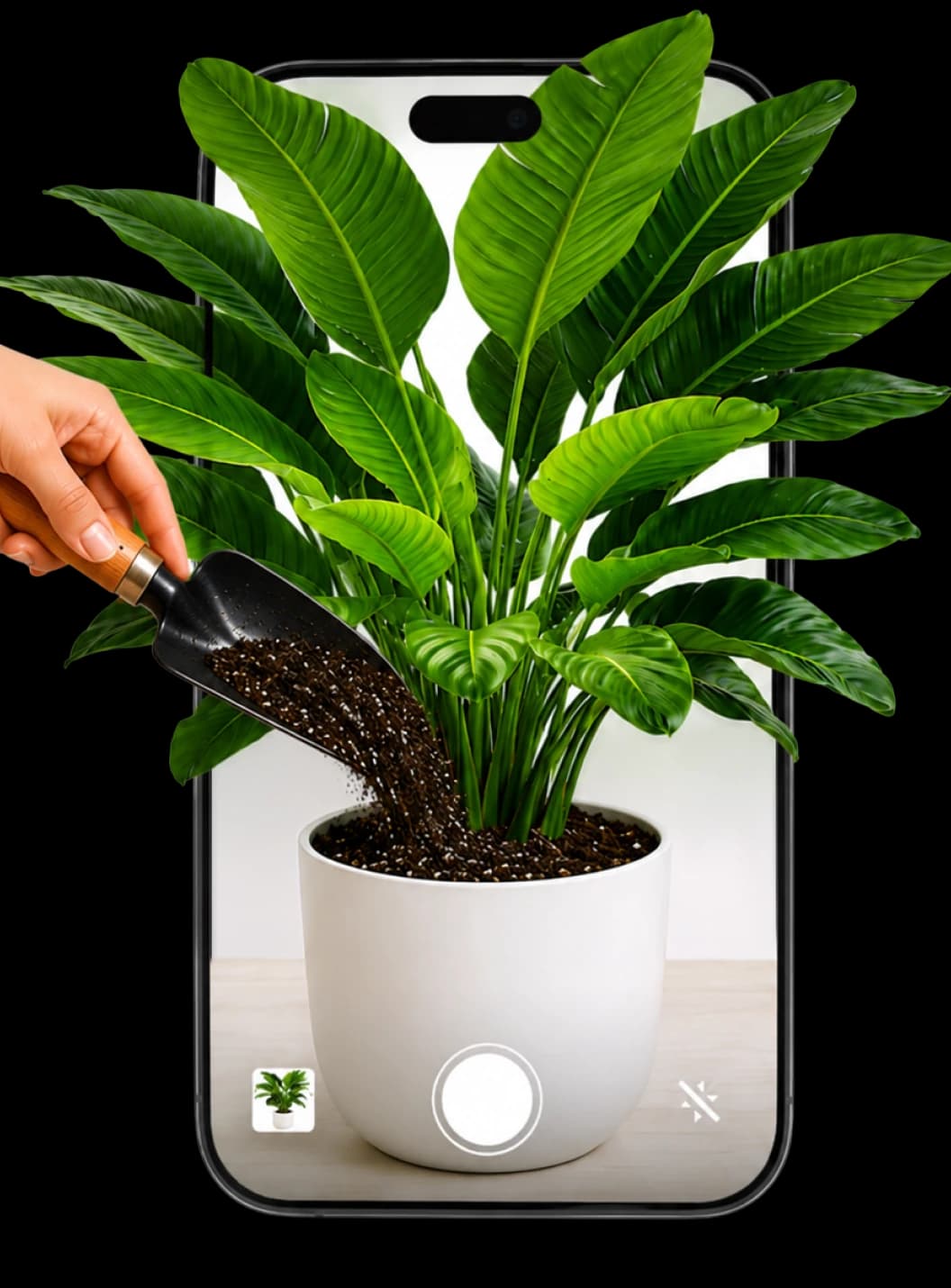
Botan can help identify the plant and guide a more suitable soil choice based on how this species typically grows indoors.

FAQ

Yes. Drainage holes help excess water leave the container, which keeps the root zone better aerated and lowers the risk of stagnant, saturated potting mix.

Everything About Swiss Cheese Vine

More Plant Soil Guides

Scan for Soil Problems

Use Botan’s photo-based assessment to check whether soil may be contributing to visible decline and what to review first.

Botan app helping with soil and plant care
Thorny Plants: A Comprehensive Guide

10 min read · 25 Aug 2026

Thorny Plants: A Comprehensive Guide

Many plants defend themselves with sharp thorns. This guide explores over 20 examples among flowers, shrubs, trees, and vines. You'll learn what each plant looks like, why it grows thorns, and how to quickly identify them.

Plant Recommendations
Thorny Plants: A Comprehensive Guide
How To Revive a Dying Plant: 6 Steps To Bring A Plant Back To Life

6 min read · 1 Sept 2026

How To Revive a Dying Plant: 6 Steps To Bring A Plant Back To Life

Drooping leaves and brown tips don't always mean the end, and a weakened plant can often recover with a little help. These six simple steps will help you revive a dying plant and restore its health.

Plant Care
How To Revive a Dying Plant: 6 Steps To Bring A Plant Back To Life
How to Tell if a Plant Is Dead

6 min read · 19 Aug 2026

How to Tell if a Plant Is Dead

A plant can lose its leaves, stop growing, or collapse and still remain alive. A closer look at the stems, roots, bulbs, and tubers can show whether the plant still has a chance to recover.

Beginner Guides
How to Tell if a Plant Is Dead