





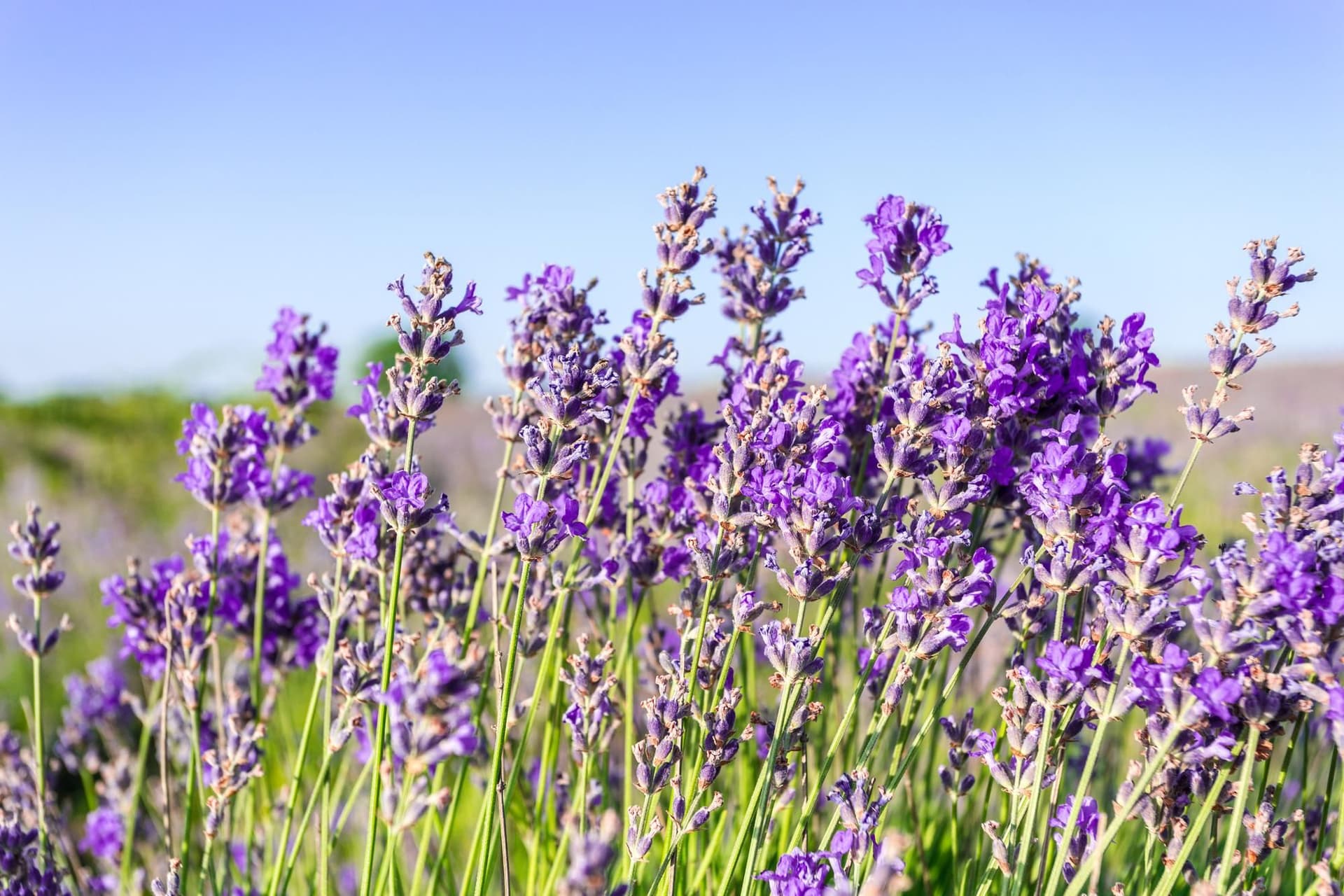
Best Soil for lemon grass (Cymbopogon citratus)

Cymbopogon citratus grows best in loose, rich, well-drained soil that supports healthy root spread and steady access to air and moisture.

Soil Texture

Sandy, Loamy, Organic-rich

Soil pH

Acidic (5.5–6.5), Slightly acidic (6.5–7.0)

Soil Drainage

Moist but well-drained

Cymbopogon citratus Soil Guide

Native to tropical South and Southeast Asia, Cymbopogon citratus grows in warm, seasonally wet areas where soil stays evenly moist but does not remain soggy. That background explains why lemon grass soil should hold some moisture while still letting excess water move through quickly.

Its roots form a dense, fibrous clump that benefits from loose, airy soil with a sandy or loamy feel and plenty of organic matter. This texture supports steady moisture, oxygen around the roots, and good drainage, which suits the plant’s fast, vigorous growth.

A simple homemade mix gives Cymbopogon citratus the balance of airflow and moisture retention it needs in containers.

100% total mix = 20 scoops
15%
perlite or pumice3 scoops
20%
compost or aged bark fines4 scoops
25%
coarse sand5 scoops
40%
high-quality potting soil8 scoops

The finished blend should feel crumbly, light, and slightly springy, with water moving through evenly instead of sitting around the root zone.

A good target range is 5.5–7.0 pH, with slightly acidic soil often giving the most reliable nutrient uptake. Cymbopogon citratus is comfortable in acidic to near-neutral conditions rather than alkaline soil.

Within that range, key nutrients stay more available to the roots, which supports steady leaf and clump growth. If pH drifts too far in either direction, the plant may have a harder time accessing what it needs from the soil.

This species can decline in poorly balanced growing media, especially when the root zone stays stressed for long periods.

Compacted soil:

Dense mix that dries unevenly or stays tight around the base can limit airflow, so gently loosen the surface and plan to replace it with a more open medium.

Waterlogged root zone:

Soggy, heavy soil can keep the lower roots short on oxygen, so check drainage first and let excess moisture move through more freely.

Spent organic matter:

Old mix that has broken down into fine particles may hold moisture too long for lemon grass, so refresh part or all of the container soil.

Salt buildup:

White crust on the surface or pot edge can point to accumulated minerals, so flush the soil thoroughly and monitor the residue afterward.

Better Soil Starts Here

Botan helps match this plant to a more suitable soil setup based on its growth habit, container conditions, and visible overall health.

FAQ

Yes. A deeper pot gives the root system more room to expand and helps buffer fast swings between soggy and dry conditions, which can make moisture management more stable.

Everything About lemon grass

More Plant Soil Guides

See If Soil Is the Issue

A photo-based check in Botan can help show whether the growing medium may be contributing to the issue before making changes.

Botan app helping with soil and plant care
12 Best Plants That Repel Spiders For Your Home and Garden

8 min read · 24 Jul 2026

12 Best Plants That Repel Spiders For Your Home and Garden

Spiders constantly appear in places you don't want them. A few common plants can help repel them using scent alone. Here are 12 options suitable for both indoors and outdoors, plus care tips for each.

Plant Recommendations
12 Best Plants That Repel Spiders For Your Home and Garden
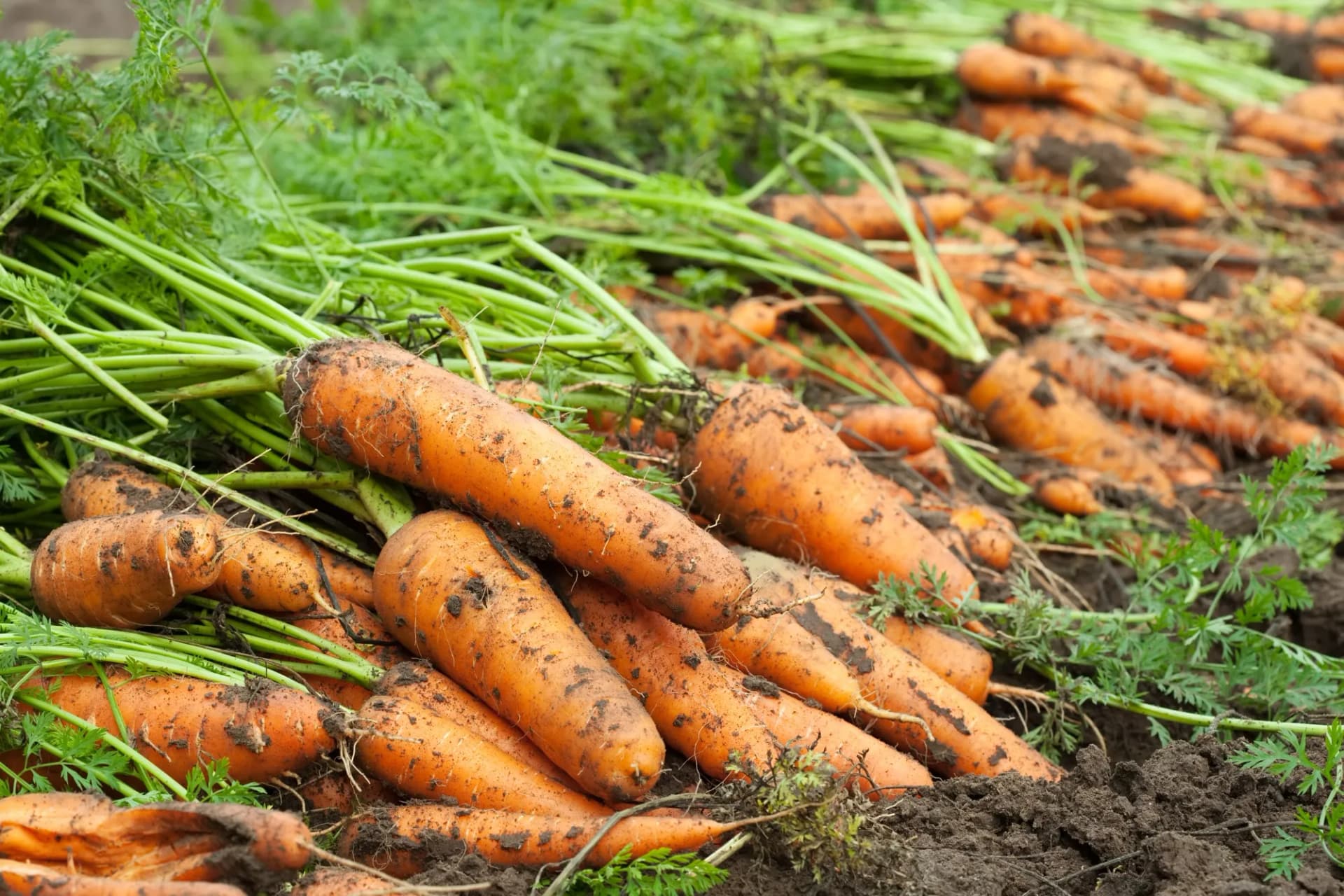
When to Harvest Carrots: Timing, Signs, and How to Pick Them

6 min read · 23 Oct 2026

When to Harvest Carrots: Timing, Signs, and How to Pick Them

Carrots are usually ready 60-80 days after sowing them in the soil, depending on the variety. Learn how to recognize maturity signs, choose the right harvest season, pull carrots without damaging them, and store roots after picking.

Plant Care
When to Harvest Carrots: Timing, Signs, and How to Pick Them
How to Water Houseplants: Watering Guide

7 min read · 24 Aug 2026

How to Water Houseplants: Watering Guide

Learn how often to water indoor plants, key factors for proper watering, and how to adjust the care routine by plant type, season, pot size, light, and indoor conditions.

Plant Care
How to Water Houseplants: Watering Guide