mango tree (Mangifera indica) Watering Guide

This page explains when, how often, and how much to water a mango tree in straightforward, practical terms.

Water Requirements

Moderate Water

Mangifera indica Watering

Native to tropical regions with pronounced wet and dry periods, Mangifera indica experiences seasonal rainfall rather than constant saturation. In gardens, it prefers soil that dries slightly between thorough waterings, not persistently soggy conditions.

For watering mango tree care, think deep, occasional watering instead of frequent light splashes. Indoor and container trees usually need more attentive moisture monitoring than established trees growing in the ground.

Water Mangifera indica again when the top 1–2 inches (3–5 cm) of soil feel dry and no soil sticks to your finger. In warm, bright growing conditions, this typically means watering about once a week; during cooler seasons or lower light, intervals usually stretch to every 10–14 days.

Water when the top 2–3 inches of soil feel dry; soak the mango tree’s root zone deeply each time.

  • Pour water slowly around the drip line, not against the trunk, so moisture reaches the main feeder roots.
  • Continue watering until soil is evenly moist through the root zone but not muddy or waterlogged.
  • Let excess water drain freely from the planting area; never leave containers or basins holding standing water.
  • Keep foliage and trunk as dry as possible while watering to reduce unnecessary moisture on bark and leaves.

Incorrect moisture levels can stress Mangifera indica and trigger several avoidable growth problems.

Yellowing Lower Leaves:

Older foliage turns pale and drops prematurely from consistently waterlogged soil and poor drainage conditions.

Leaf Tip Burn:

Brown, crisp margins on mature leaves usually follow underwatering or long periods of intense heat.

Fruit Drop:

Young fruits fall early when soil moisture swings sharply between very dry and saturated.

Root Rot:

Wilting canopy with dark, mushy roots develops in compacted, poorly drained soil kept constantly wet.

Maintain evenly moist, well-drained soil, avoiding both prolonged dryness and extended saturation around the root zone.

Poor watering habits can weaken Mangifera indica, slowing growth, reducing fruit quality, and making a mango tree more disease-prone over time.

  • Rigid calendar watering: Watering by date instead of checking soil moisture keeps roots either constantly wet or too dry; adjust based on depth checks.
  • Heavy, poorly drained soil: Using dense garden soil traps water around deep roots; choose a loose, sandy or loamy mix that drains quickly.
  • Wrong container choice: Planting in a pot without drainage holes or too large a container prolongs saturation; use a well-drained, only slightly upsized pot.

Aim for deep but infrequent watering in fast-draining soil, guided by actual moisture levels rather than a fixed routine.

  • Spring: Growth resumes; let the top 2–3 inches of soil dry, then water deeply, avoiding constant moisture around young expanding roots.
  • Summer: In peak heat and active fruiting, water when the top layer dries, but allow brief drying between soakings to limit root disease.
  • Fall: As temperatures ease and growth slows, extend intervals slightly between waterings while preventing complete soil dryness around established roots.
  • Winter: In cooler, slower-growth periods, reduce watering volume and frequency, keeping soil just lightly moist and never saturated for long.

Not Sure When to Water? Botan Knows

Use Botan for a clear watering guide and simple care steps for your mango tree, plus gentle photo-based checkups that help spot common issues before they spread.

Botan plant care app — identify plants on mobile

Interesting Watering Facts

Deep taproot strategy

Mangifera indica develops a strong taproot in the ground, which allows mature trees to access deeper soil moisture and tolerate prolonged dry periods once established, even though young trees still need consistent supplemental watering.


Dry-season flowering cue

In many tropical regions, Mangifera indica initiates flowering after a relatively dry period followed by a shift toward higher humidity or pre-monsoon moisture, so excessive irrigation during the natural dry rest phase can reduce flower production.

Sensitivity to waterlogging

Mangifera indica is notably prone to root problems in poorly drained or waterlogged soils, where persistent saturation restricts oxygen around the roots and can lead to decline even in otherwise warm, suitable climates.

FAQ

Yes. Constantly wet roots lose oxygen and may rot. After watering, empty any saucer within 10–15 minutes so excess moisture can drain away and the root zone can partially dry between waterings.

More Plant Watering Guides

Is Your Watering Routine Hurting Your mango tree?

Botan reviews your watering pattern and suggests balanced adjustments for healthier moisture levels.

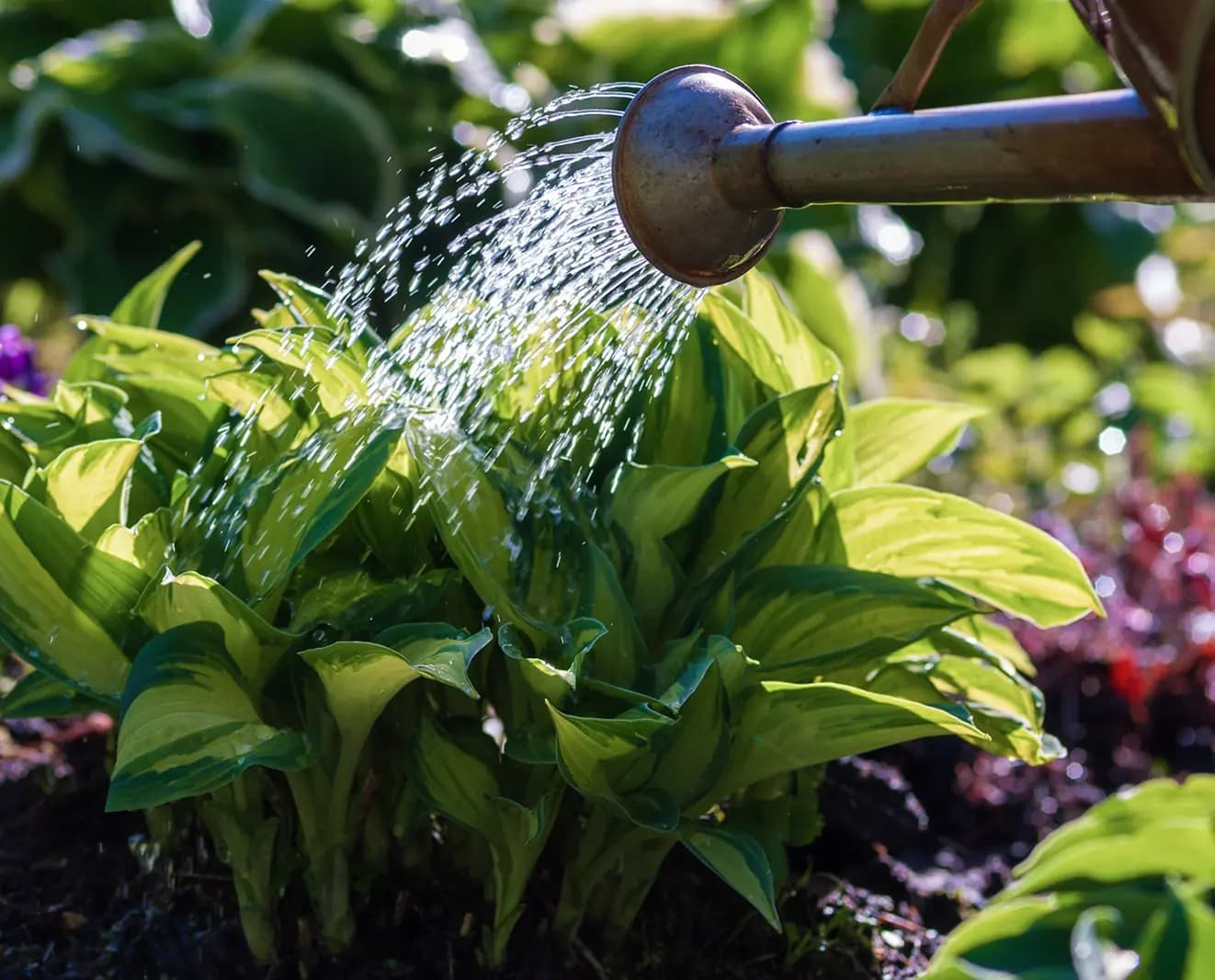
Watering a plant with a copper watering can
Top 15 Plants That Don’t Need Sunlight

8 min read · 17 Sept 2026

Top 15 Plants That Don’t Need Sunlight

Some plants thrive in dim rooms, shaded corners, and places with indirect light. In this guide, you’ll explore the top 15 species best suited to low-light conditions and how to care for them.

Plant Recommendations
Top 15 Plants That Don’t Need Sunlight
How to Increase Humidity for Plants – 8 Simple Ways That Work

8 min read · 14 Aug 2026

How to Increase Humidity for Plants – 8 Simple Ways That Work

Dry indoor air stresses a lot of houseplants. You usually notice it first in the browning leaf tips. This guide describes 8 simple ways to raise the moisture around your plants, from humidifiers to pebble trays.

Plant Care
How to Increase Humidity for Plants – 8 Simple Ways That Work
13 Best Front Yard Trees for Every Home and Yard

12 min read · 7 Aug 2026

13 Best Front Yard Trees for Every Home and Yard

A front yard tree can stay for decades. Therefore, choosing one deserves serious consideration. Here are 13 trees that have proven themselves, sorted by their purpose. You'll also find five species to avoid and basic planting information.

Plant Recommendations
13 Best Front Yard Trees for Every Home and Yard