Winter rain adaptation
In its native Mediterranean climate, this species is adapted to cool, rainy winters and hot, dry summers, so roots grow most actively in moist winter soil rather than during the driest part of the year.

This page outlines when, how often, and how much to water an Olive tree for steady growth.

Water Requirements
Low Water

Native to dry Mediterranean hillsides, Olea europaea is adapted to lean soil and irregular rainfall. It prefers soil that dries slightly between waterings rather than staying constantly moist, especially outdoors in the ground.
In containers or indoors, it benefits from a bit more consistent moisture than in open soil. This overview of watering Olive tree care sets the stage for how to water Olive tree in different conditions.
Let the top 1–2 inches (3–5 cm) of soil dry before watering again; this matches Olea europaea’s drought-tolerant nature. Indoors, this typically means watering about every 10–21 days. In hotter, brighter, or outdoor summer conditions, intervals usually shorten, while cooler, lower-light periods extend the time between waterings.
Water Olive tree when the top 2 inches (5 cm) of soil feel dry, using deep, controlled soakings for even moisture.
Incorrect moisture around Olea europaea often leads to stress and visible decline over time.
Older leaves fade to dull yellow and shed prematurely when roots sit in persistently soggy soil.
Limp foliage despite moist mix usually indicates root rot from chronic overwatering and poor drainage.
Dry, papery tips develop when the rootball repeatedly dries too far between thorough waterings.
New leaves emerge small and pale when underwatering or compacted soil limits consistent moisture uptake.
Keep soil lightly moist, never waterlogged, allowing the top layer to dry slightly between waterings.
Poor watering habits stress Olive tree roots, weakening Olea europaea and reducing its long‑term resilience indoors or outdoors.
Effective watering for this species relies on fast drainage, partial drying between soakings, and promptly removing excess water from containers.
Plant Water Guide
Learn how much water your plant needs and keep its routine on track
Use Botan for a clear watering guide and simple care steps for Olea europaea, plus gentle photo-based checks that help spot common issues before they become serious.
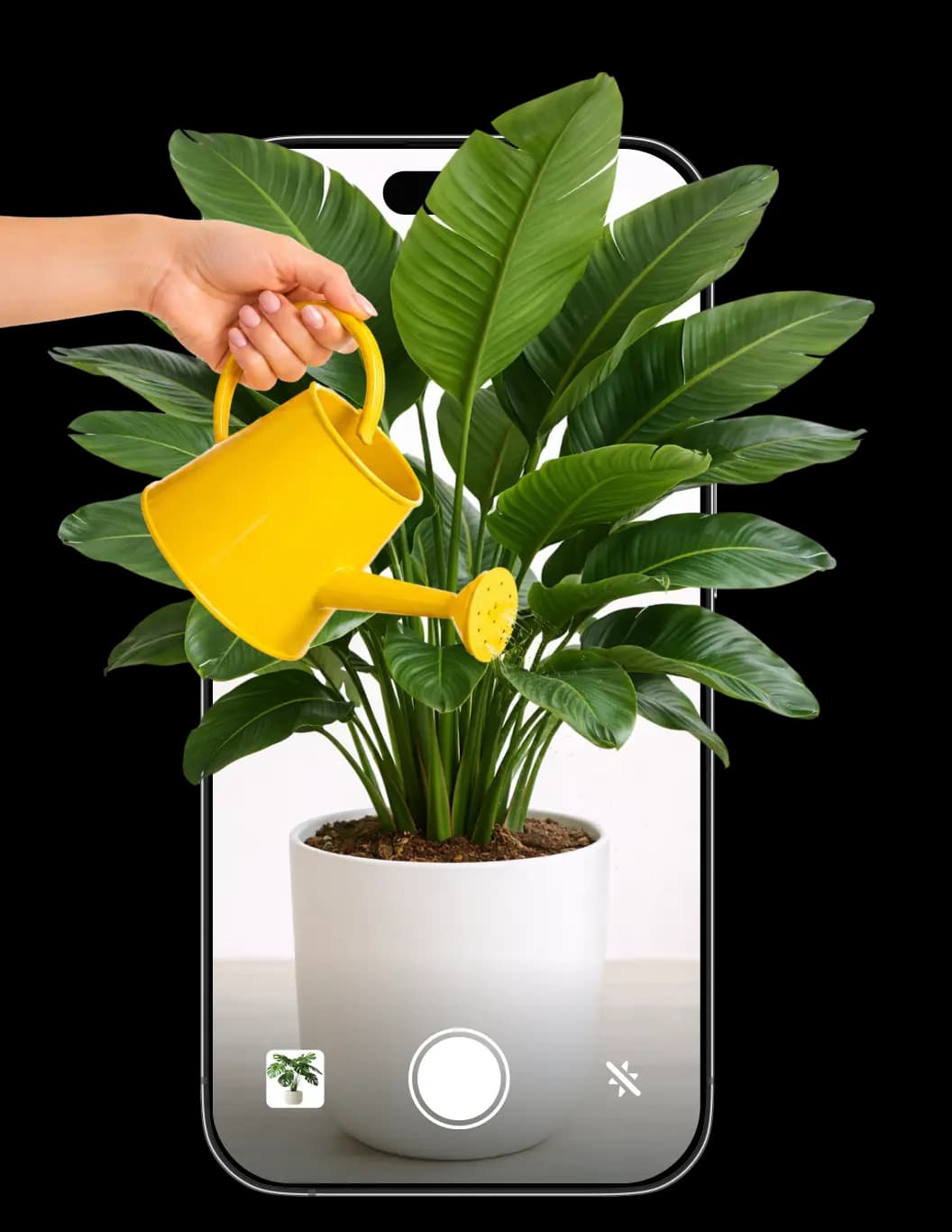
In its native Mediterranean climate, this species is adapted to cool, rainy winters and hot, dry summers, so roots grow most actively in moist winter soil rather than during the driest part of the year.
Mature trees develop deep, wide-spreading root systems that can tap subsoil moisture, which helps them survive long dry periods once established in the ground.
The thick, leathery leaves with a silvery underside reduce water loss through transpiration, an adaptation that allows the tree to maintain function under strong sun and limited soil moisture.
Water when the top 1–2 inches (3–5 cm) of soil are dry, rather than on a fixed schedule. In warm, bright conditions that may mean weekly; in cooler or lower light, extend intervals based on soil dryness.
Botan helps review your watering habits and guides simple, timely adjustments.
8 min read · 14 Jul 2026
Rice water can be an ideal DIY solution for orchids, roses, or fruiting plants. It supports growth, leaf count, and height. We’ll share how to make and apply it correctly for your plant.

8 min read · 8 Jul 2026
Discover the top 10 houseplants that are suitable for growing in your bedroom. Compare their light and water needs, pet safety, and benefits. Find out where best to place greenery in your relaxation space and what species to avoid.
8 min read · 31 Jul 2026
To keep plants healthy and thriving, provide the right balance of light, humidity, nutrients, airflow, and quality soil. This guide covers the essentials of year-round plant care.