


Tala (Celtis tala) Light Needs

Tala grows best in full sun, with long daily exposure and good tolerance of direct light.

Light Preference

Full Sun

Celtis tala Light Requirements

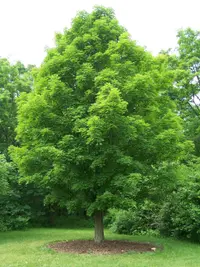
Celtis tala is native to warm-temperate parts of South America, where it grows in open woodland, scrub, and dry forest edges. These habitats receive strong sun for much of the day, with only brief shading from nearby vegetation.

In cultivation, the species keeps its denser shape and stronger growth when light is open and direct rather than shaded. It prefers full sun.

  • Ideal exposure:

    Tala needs about 6–8 hours of full sun daily, including at least 6 hours of direct sun when grown outdoors.

  • Direct sun:

    Established plants tolerate strong sun, including midday and afternoon sun, when they have been grown in that exposure.

  • Partial sun:

    4–6 hours of direct sun can be tolerated, but growth may be more open and less dense.

  • Shade limits:

    Shade is not suitable for long-term growth and usually leads to weak, stretched branching.

Excess light is most likely after sudden exposure changes.

Bleached patches:

Pale tan areas may appear on leaves most exposed to harsh afternoon sun, especially after moving from shade to open sun.

Scorched leaf spots:

Dry brown patches can form on sun-facing leaves while shaded inner leaves remain normal.

Crisp outer leaves:

Leaf edges on the hottest, outermost growth may dry where reflected heat and direct sun combine.

Heat folding:

Some leaves may curl or angle away during intense afternoon sun, then look less stressed later.

Move the plant into bright partial sun and increase direct exposure over 1–2 weeks. Use temporary shade cloth during the hottest part of the day if the site is newly exposed.

Low light usually shows as weak structure before leaf damage appears. Shade is not a good long-term position for Celtis tala.

  • Stretched shoots:

    New stems may lengthen quickly with wider spacing between leaves as growth reaches toward brighter light.

  • Leaning growth:

    Branches may angle strongly toward the sunniest side instead of forming a balanced outline.

  • Sparse canopy:

    Interior growth can thin out, leaving an open, weak look rather than dense branching.

  • Small new leaves:

    New leaves may stay smaller during the active season when light is too weak.

Move it to a site with several hours of direct sun, increasing exposure gradually if it has been shaded. Avoid deep shade and narrow side yards that block most of the sky.

If full sun is not available, choose the brightest open site that still gives 4–6 hours of direct sun. This is a compromise, not an ideal long-term setting for dense growth.

Remove nearby shading where practical, or place the plant away from walls and fences that block the southern sky.

Do not use deep shade as a permanent site, because it prevents the open, direct light this species needs.

Get Personalized Care Plan

Scan your plant to receive care tips personalized for your specific plant

FAQ

The best light for Tala is full sun, with about 6–8 hours of open exposure each day. Partial sun can work, but shaded positions usually weaken growth.

More Plant Light Guides

Get the Botan App

Discover how to care for your plants with Botan.

Botan app identifying a plant with a phone camera
How to Winterize Your Garden in 6 Steps

5 min read · 28 Sept 2026

How to Winterize Your Garden in 6 Steps

Learn how to prepare your garden for winter with a practical six-step checklist covering cleanup, tender plant care, watering, mulching, winter protection, and winterizing equipment and containers.

Plant Care
How to Winterize Your Garden in 6 Steps
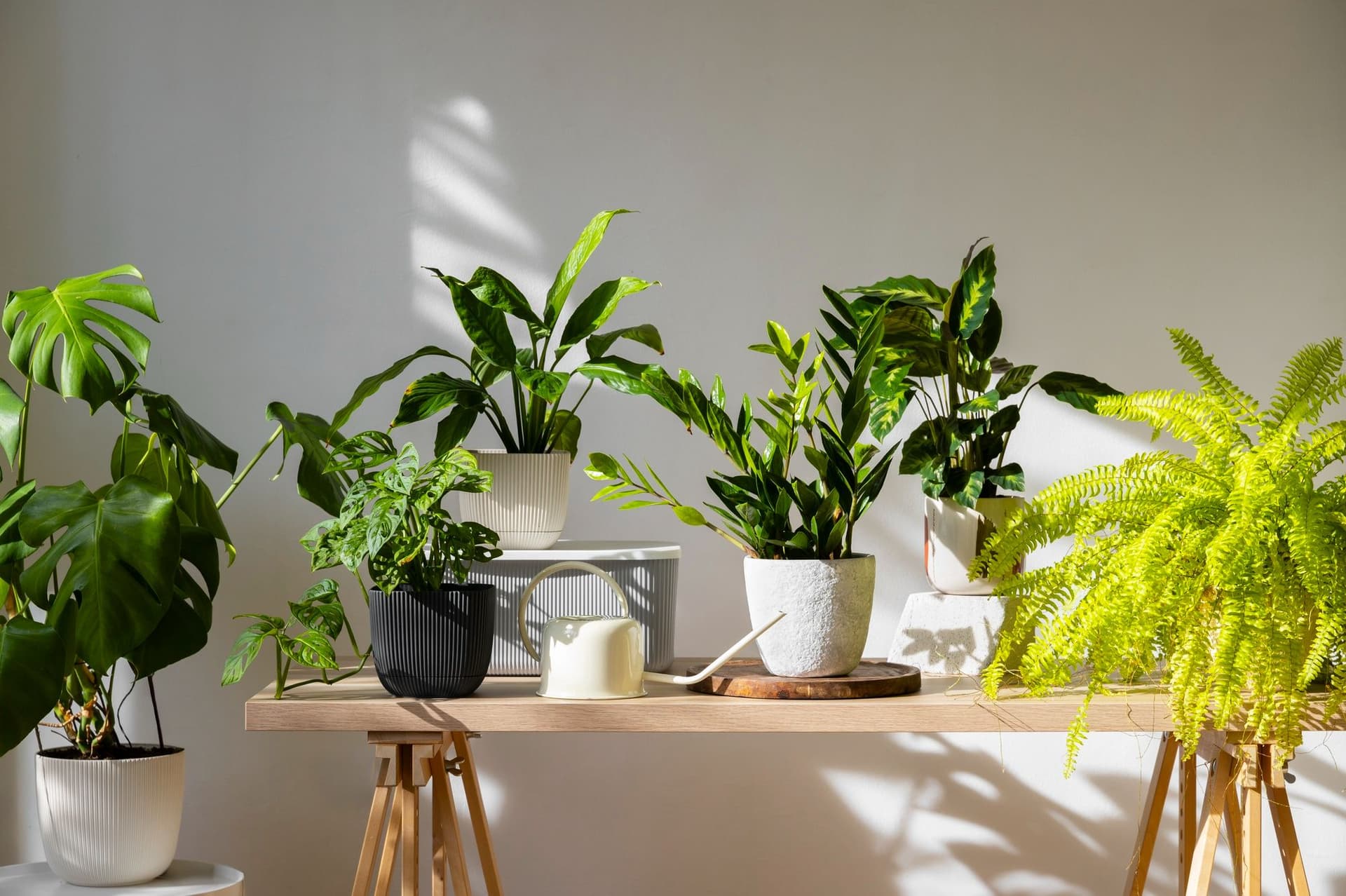
Top 5 Best Indoor Plants for Air Quality

5 min read · 11 Sept 2026

Top 5 Best Indoor Plants for Air Quality

Indoor plants can make a room feel fresher thanks to their air-purifying qualities. Here are 5 of the most suitable choices for your routine and living space.

Plant Recommendations
Top 5 Best Indoor Plants for Air Quality
Top 15 Plants That Don’t Need Sunlight

8 min read · 17 Sept 2026

Top 15 Plants That Don’t Need Sunlight

Some plants thrive in dim rooms, shaded corners, and places with indirect light. In this guide, you’ll explore the top 15 species best suited to low-light conditions and how to care for them.

Plant Recommendations
Top 15 Plants That Don’t Need Sunlight