



ginger (Zingiber officinale) Light Needs

ginger grows best in bright filtered light or partial sun, with protection from harsh afternoon exposure.

Light Preference

Partial Shade

Zingiber officinale Light Requirements

Ginger is a tropical rhizomatous plant associated with warm, humid growing seasons and bright, sheltered sites. In cultivation, it often grows well where overhead vegetation or light structures soften midday sun while still allowing several hours of strong daylight.

These conditions explain why cultivated plants tolerate sun but usually perform best when the hottest rays are filtered. Its preferred light is partial sun with bright filtered light.

  • Ideal exposure:

    Ideal exposure: ginger needs about 6–8 hours of bright filtered light daily, including 2–4 hours of gentle direct morning sun.

  • Direct sun:

    Acclimated outdoor plants can handle full sun, but intense midday and afternoon sun is more stressful in hot, dry conditions.

  • Lower light:

    Partial shade is tolerated, especially outdoors, but deep shade usually produces weak, slower growth.

  • Best timing:

    Morning sun and bright open shade are safer than sudden exposure to hot western light.

Indoors, the best placement gives strong daylight with a few hours of gentle sun.

NPoor
North-facing window:

A north window is usually too dim unless the room is very bright and unobstructed.

EBest
East-facing window:

Place it within 1–3 ft of the glass for morning sun and bright afternoon light.

SSuitable
South-facing window:

Use a sheer curtain or set it 2–5 ft back if direct midday rays heat the leaves.

WConditional
West-facing window:

Choose this only with filtered afternoon sun, because hot late-day rays can scorch leaves.

Move the pot slightly as seasons change to keep growth compact and evenly lit.

Strong light stress is most likely after abrupt or harsh exposure.

Bleached patches:

Pale tan or whitish areas may appear where strong sun hits the leaf surface.

Crisp scorch spots:

Dry, papery marks can develop after sudden full-sun exposure, especially during hot afternoon hours.

Heat folding:

Leaves may curl or fold during the brightest part of the day when light and heat are excessive.

Sun-side damage:

Injury is often worse on the side facing the strongest window or outdoor exposure.

Shift the plant into filtered light or add a sheer barrier. Keep new exposure gradual for 1–2 weeks. Do this before the next hot afternoon if possible.

Weak light affects the shape and pace of new growth. Changes are clearest during the warm active season.

  • Leaning shoots:

    Stems may angle strongly toward the brightest side instead of growing upright.

  • Stretched growth:

    New leaf stems can become longer and softer, with wider spacing between leaves.

  • Small new leaves:

    Fresh leaves may open smaller than older leaves during the active growing season.

  • Slow shoot production:

    Zingiber officinale may produce fewer new shoots when light stays too dim for weeks.

Move it to brighter filtered light, or increase gentle morning sun. Make the change gradually if the plant has been shaded.

If ideal light is not available, choose the brightest spot with gentle morning sun rather than a shaded corner.

Filter harsh midday or afternoon rays with a sheer curtain, shade cloth, or a slight move back from the glass. Rotate the pot every 1–2 weeks to keep shoots even.

A dim room is not a good long-term setup because it limits strong active-season growth.

Get Personalized Care Plan

Scan your plant to receive care tips personalized for your specific plant

FAQ

The best light for ginger is bright filtered light or partial sun. Aim for strong daylight with some gentle direct sun, especially in the morning, rather than deep shade.

Everything About ginger

More Plant Light Guides

Get the Botan App

Discover how to care for your plants with Botan.

Botan app identifying a plant with a phone camera
Frozen vs Fresh Vegetable Nutrients: Which Option Is Healthier?

6 min read · 8 Sept 2026

Frozen vs Fresh Vegetable Nutrients: Which Option Is Healthier?

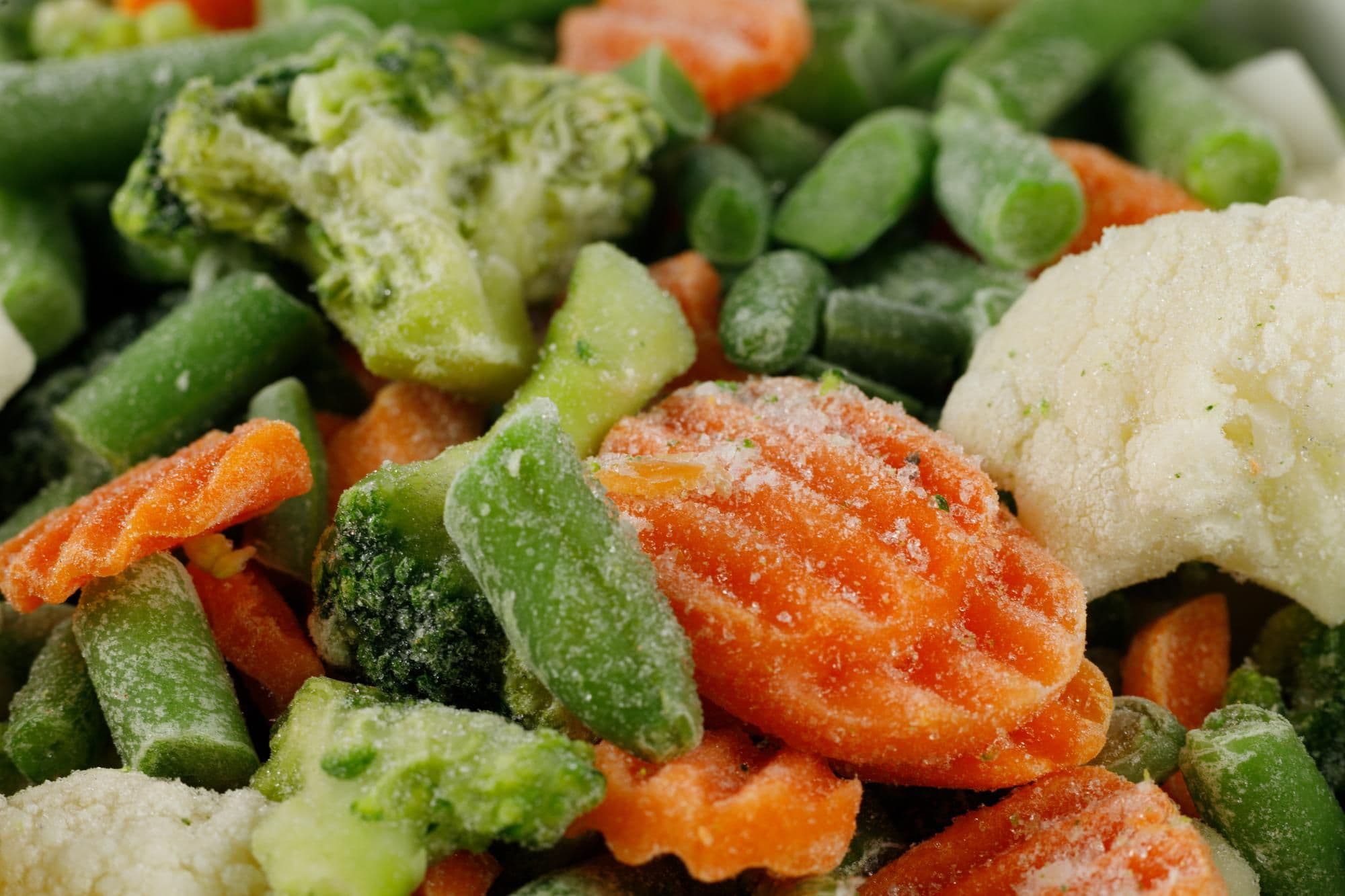
Frozen and fresh vegetables are nutritionally comparable: frozen produce often retains vitamins just as well as fresh and may sometimes contain more. Here’s how blanching and storage affect nutrients—and when to choose each.

Plant Recommendations
Frozen vs Fresh Vegetable Nutrients: Which Option Is Healthier?
Best Time to Mow Lawn – A Complete Guide

5 min read · 10 Aug 2026

Best Time to Mow Lawn – A Complete Guide

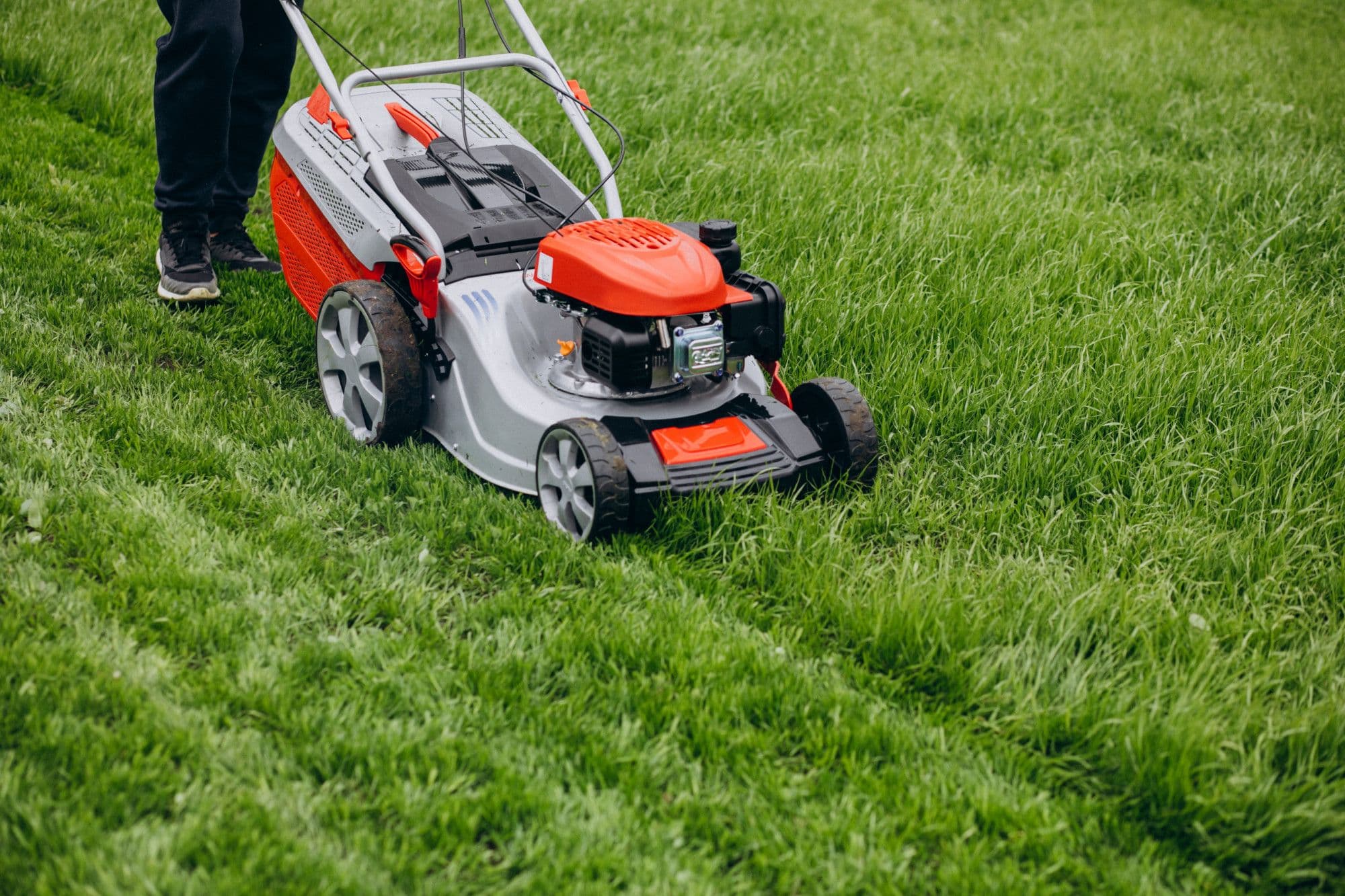
Explore when to mow your lawn for its health and a pleasant green color. Find out the best time for this task during the summer heat, and follow practical tips for correctly cutting the grass, and learn common mistakes to avoid.

Plant Care
Best Time to Mow Lawn – A Complete Guide
How to Water Houseplants: Watering Guide

7 min read · 24 Aug 2026

How to Water Houseplants: Watering Guide

Learn how often to water indoor plants, key factors for proper watering, and how to adjust the care routine by plant type, season, pot size, light, and indoor conditions.

Plant Care
How to Water Houseplants: Watering Guide