


Best Soil for ginger (Zingiber officinale)

For Zingiber officinale, loose, organic-rich soil with reliable drainage and a slightly acidic to near-neutral pH supports healthy rhizome growth.

Soil Texture

Loamy, Sandy, Organic-rich

Soil pH

Acidic (5.5–6.5), Slightly acidic (6.5–7.0)

Soil Drainage

Moist but well-drained

Zingiber officinale Soil Guide

Native to tropical Asia, Zingiber officinale grows from thick rhizomes that need steady moisture, warmth, and air around them. That growth habit explains why the soil should stay lightly moist without becoming dense or soggy.

The best soil for ginger is loose, organic-rich, and well-drained, with a loamy or sandy-loam feel. Organic matter helps hold even moisture, while the lighter texture keeps oxygen moving through the root zone. Slightly acidic to near-neutral soil suits its natural preference and supports steady rhizome development.

A simple homemade mix can give Zingiber officinale the balance of moisture retention and airflow its rhizomes prefer.

100% total mix = 20 scoops
10%
compost or fine bark fines2 scoops
20%
perlite or pumice4 scoops
30%
coco coir or peat moss6 scoops
40%
high-quality potting soil8 scoops

The finished blend should feel light, springy, and slightly fluffy, holding some moisture while excess water moves through without pooling.

A good target is 5.5–6.8 pH. This species prefers slightly acidic soil, though it can also do well near neutral when the mix remains balanced.

Within that range, ginger can access key nutrients more efficiently, especially iron, manganese, and phosphorus. If pH drifts too far up or down, those nutrients may become harder for the roots to absorb even when they are present in the soil.

This species grows from moisture-sensitive rhizomes, so soil issues often show up below the surface before top growth changes much.

Soggy center:

Soil staying wet for too long can reduce airflow around the rhizome; let the mix dry slightly more between checks and confirm the container drains freely.

Compacted mix:

If water sits on the surface or drains unevenly, the soil may have compressed; gently loosen the top layer and plan to replace dense mix with a fresher one.

Crusted surface:

A hard top layer can slow air exchange and water entry; break it up lightly and remove any buildup before adding more moisture.

Fungus gnats:

Small flies hovering around the pot often point to persistently damp organic matter in ginger soil; reduce prolonged surface moisture and discard fallen debris.

Right Plant. Right Soil.

Botan helps match this plant to a soil setup that fits its growth habit, container type, and home conditions.

FAQ

Yes. Drainage holes help excess water leave the container, which lowers the risk of stale, saturated conditions around the rhizome. A pot without holes makes moisture much harder to manage consistently.

More Plant Soil Guides

Is Your Soil the Problem?

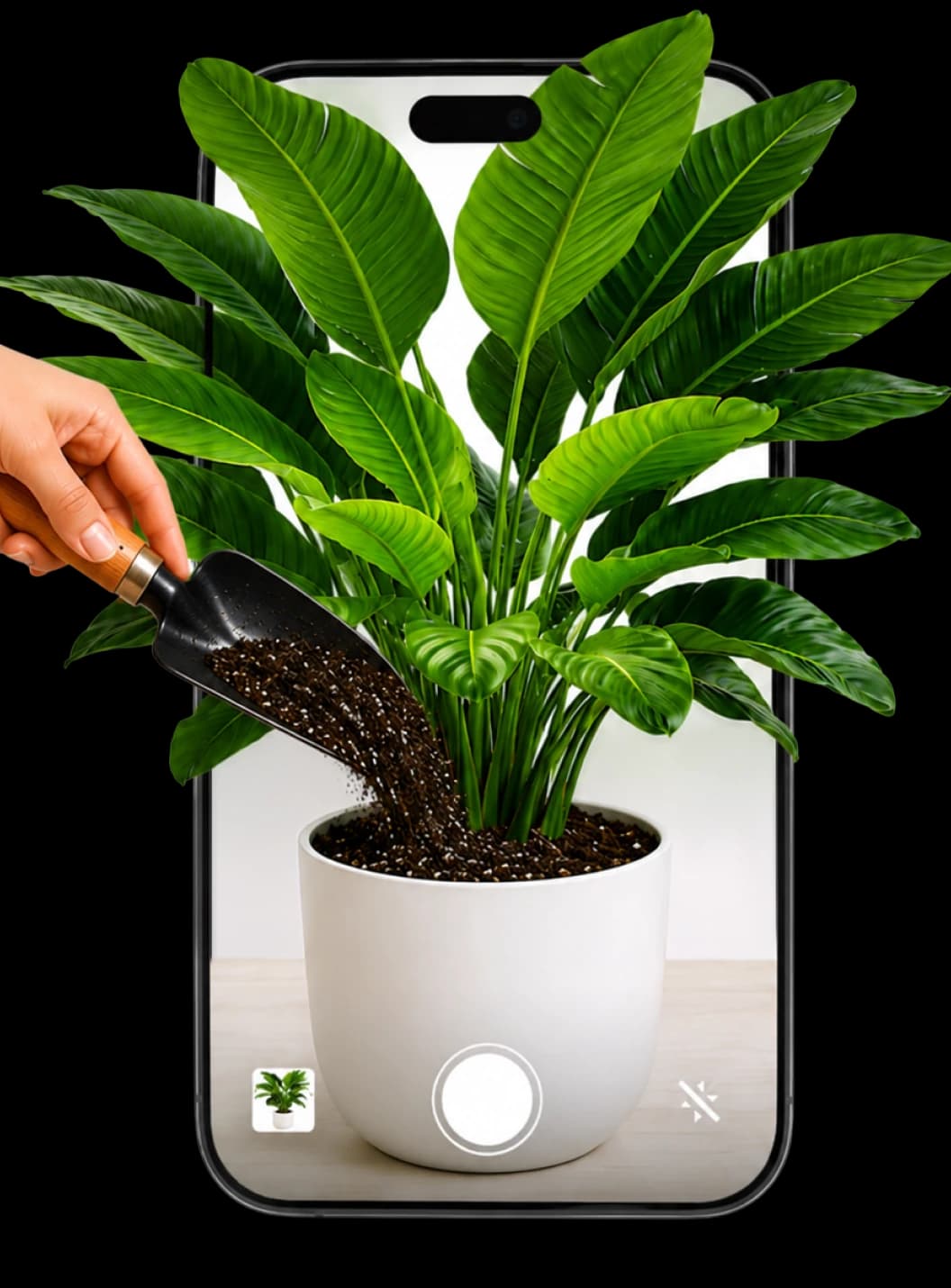
Soil may be one factor behind a plant issue. Botan’s photo-based assessment can help identify whether the root zone is worth a closer look.

Botan app helping with soil and plant care
How to Group Plants in Landscaping: A Practical Layout Guide

8 min read · 31 Aug 2026

How to Group Plants in Landscaping: A Practical Layout Guide

Good plant grouping can mean the difference between a well-planned garden and one that looks sloppy. This guide explores layers, spacing, cluster shapes, and the plants that thrive when you group them.

Plant Care
How to Group Plants in Landscaping: A Practical Layout Guide
Best Fertilizer for Grass in Summer: How to Choose the Right One

6 min read · 18 Aug 2026

Best Fertilizer for Grass in Summer: How to Choose the Right One

The right fertilizer in summer can make a lawn thrive. The wrong one can damage it. Here, you’ll learn the best NPK ratios by grass type, when and how to apply your formula, and how to recognize the signs of over- or under-fertilizing.

Plant Care
Best Fertilizer for Grass in Summer: How to Choose the Right One
How Long Can Flowers Go Without Water? Everything You Need to Know

6 min read · 10 Jul 2026

How Long Can Flowers Go Without Water? Everything You Need to Know

Flowers can survive without water anywhere from 1-2 hours to several months, depending on the plant type, species, and growing conditions. Some strong-looking flowers are drought-sensitive, while delicate-looking plants may tolerate long dry periods surprisingly well.

Plant Care
How Long Can Flowers Go Without Water? Everything You Need to Know