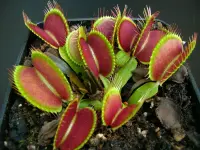




Best Soil for Venus flytrap (Dionaea muscipula)

For Dionaea muscipula, the right soil texture, acidity, and moisture balance support healthy roots and steadier overall growth.

Soil Texture

Sandy, Peaty, Organic-rich

Soil pH

Strongly acidic (4.5–5.5)

Soil Drainage

Waterlogged tolerant

Dionaea muscipula Soil Guide

Native to the coastal plain of North and South Carolina, Dionaea muscipula grows in open, sunny bogs and wet savannas. Those habitats have acidic, sandy, peat-rich soils that stay moist but still hold air around the roots.

That background explains the best soil for Venus flytrap: low in nutrients, moisture-retentive, and loose rather than dense. Its small underground rhizome and fine roots need constant moisture, but they also benefit from oxygen in the root zone, so a light, airy Venus flytrap soil suits the plant better than heavy garden soil.

A simple low-mineral mix is usually the safest choice for Dionaea muscipula in containers. It should stay evenly damp while keeping some air around the roots.

100% total mix = 20 scoops
50%
sphagnum peat moss10 scoops
50%
silica sand or perlite10 scoops

The finished blend should feel light, open, and slightly springy, with water moving through slowly but without turning dense and muddy.

Venus flytrap prefers strongly acidic soil, roughly 4.5–5.5 pH. In that range, nutrients stay available in a way that fits this species' natural adaptation to poor, acidic growing conditions.

If pH rises too far toward neutral, nutrient uptake becomes less balanced and unwanted mineral buildup is more likely over time. This plant is not especially tolerant of broad pH swings, so consistency matters.

This species is sensitive to mineral buildup and compaction, so root-zone problems can develop gradually rather than all at once.

Compacted mix:

If the surface hardens and the root zone stays dense, gently loosen the top layer and plan to replace the medium with a fresher, airier one.

Mineral salt buildup:

White crust on the soil or pot edge can point to excess dissolved minerals, so flush with pure water and review the source water and materials used.

Stale, broken-down medium:

When old mix turns muddy or shrinks away from the pot edge, refresh it with a clean low-nutrient blend before root health declines further.

Algae or surface slime:

A green film often means the surface stays stagnant, so improve air flow around the container and remove the top layer if it stays slick.

Scan for Better Soil

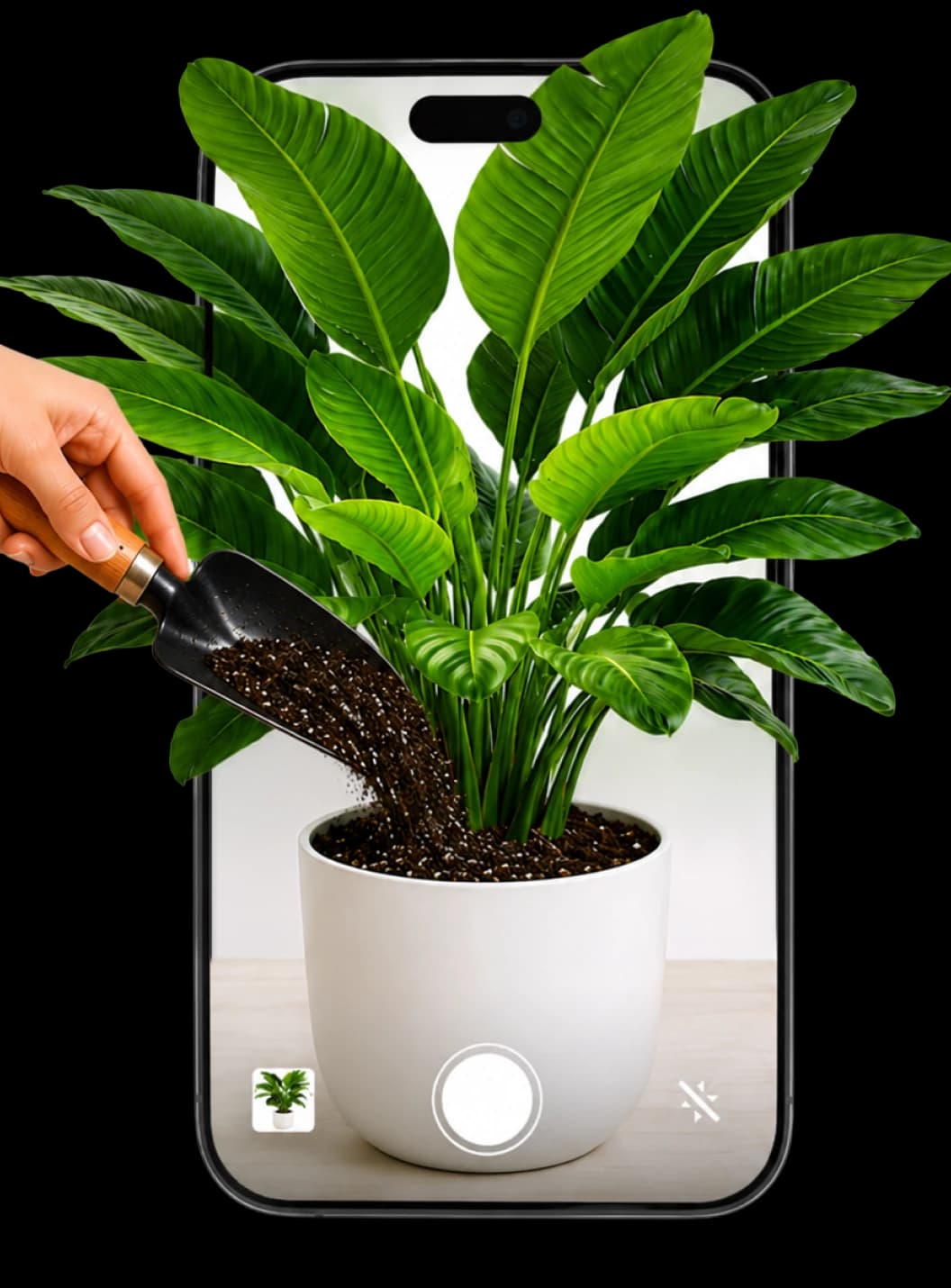
Botan can help assess the plant and guide you toward a soil setup that better matches its root and moisture needs.

FAQ

Yes. A deeper pot helps buffer temperature swings and gives the root zone more stable moisture conditions, which is often better than a very shallow container for this species.

More Plant Soil Guides

Could It Be the Soil?

If growth looks off, soil may be one factor worth checking. Botan’s photo-based assessment can help point to likely care issues.

Botan app helping with soil and plant care
Is Sugar Water Good for Plants?

4 min read · 14 Sept 2026

Is Sugar Water Good for Plants?

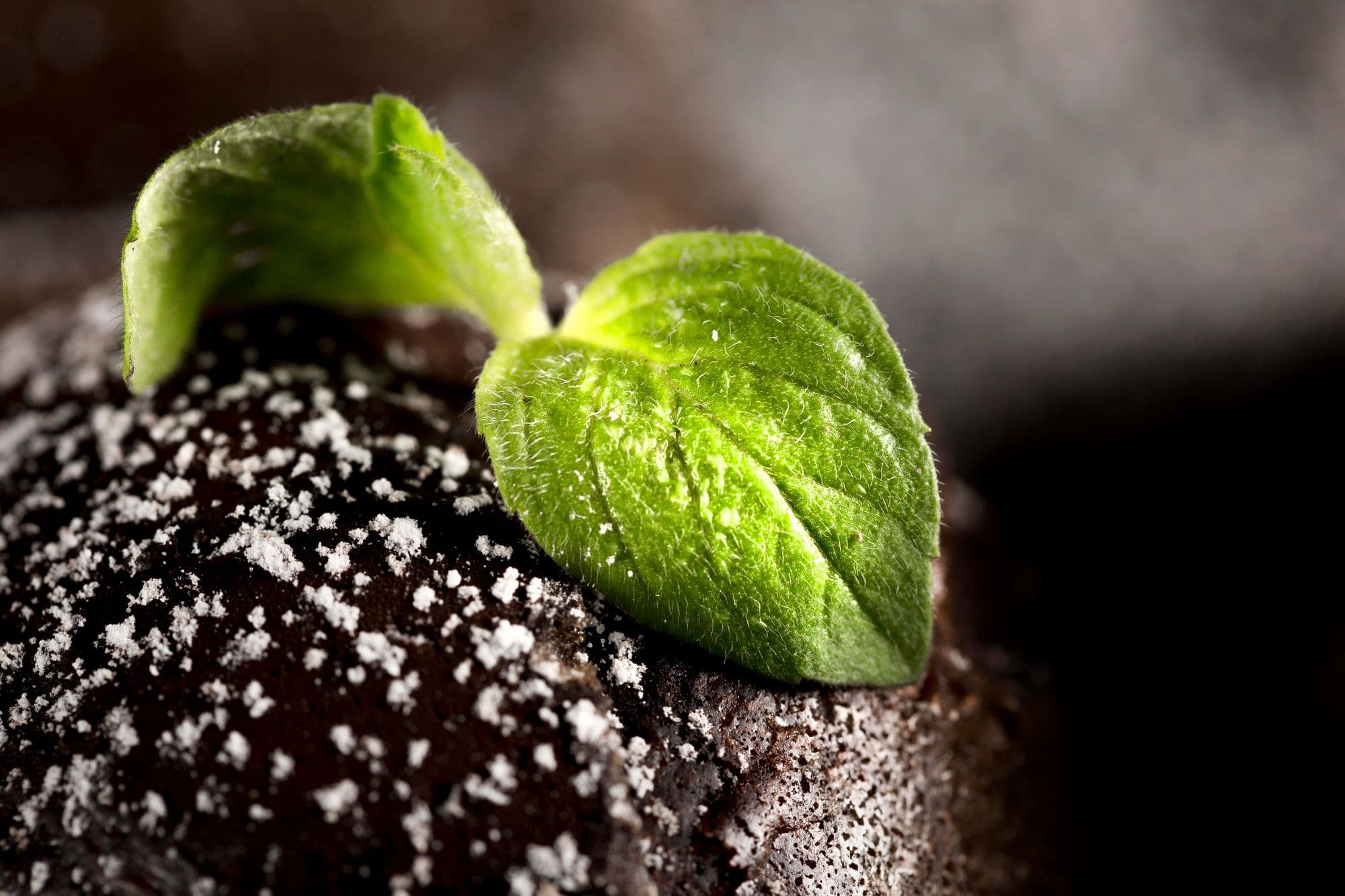
Sugar water may sound like an easy boost, but most rooted plants do not need extra sucrose. This guide explains how green tissues produce carbohydrates, when a sweetened solution can be useful, and why too much can cause problems.

Plant Care
Is Sugar Water Good for Plants?
What Plants Don't Like Epsom Salt?

11 min read · 29 Jul 2026

What Plants Don't Like Epsom Salt?

Learn which plants can be seriously damaged by Epsom salt and which will thrive on it. We’ll explain when and how to use it properly, provide tips for indoor & outdoor plants — read on and enjoy a healthy garden.

Plant Care
What Plants Don't Like Epsom Salt?
How to Winterize Your Garden in 6 Steps

5 min read · 28 Sept 2026

How to Winterize Your Garden in 6 Steps

Learn how to prepare your garden for winter with a practical six-step checklist covering cleanup, tender plant care, watering, mulching, winter protection, and winterizing equipment and containers.

Plant Care
How to Winterize Your Garden in 6 Steps