Best Soil for African Mask (Alocasia 'Amazonica')

Alocasia 'Amazonica' grows best in a loose, moisture-retentive mix with good airflow around the roots for steadier growth and root health.

Soil Texture

Loamy, Peaty, Organic-rich

Soil pH

Acidic (5.5–6.5), Slightly acidic (6.5–7.0)

Soil Drainage

Moist but well-drained

Alocasia 'Amazonica' Soil Guide

Grown for its bold foliage, Alocasia 'Amazonica' prefers a loose, organic-rich substrate that stays lightly moist but still drains well. Its roots need steady access to both water and oxygen, so dense or compacted soil is not a good fit. A loamy, airy texture supports active root growth without drying too fast.

This plant belongs to the aroid family, a group that typically grows from thicker underground structures and fleshy roots that dislike stagnant moisture. The best soil for African Mask holds some moisture around the roots while allowing excess water to move through. Slightly acidic to near-neutral conditions also suit its natural nutrient uptake.

A custom mix gives better control over texture and drainage for Alocasia 'Amazonica'. The goal is a balanced blend that stays airy but not thin.

100% total mix = 20 scoops
15%
orchid bark3 scoops
20%
perlite or pumice4 scoops
25%
high-quality potting soil5 scoops
40%
coco coir or peat moss8 scoops

The finished mix should feel fluffy, slightly fibrous, and crumbly, with water moving through it evenly instead of pooling.

African Mask prefers slightly acidic soil, around 5.5–6.8 pH. That range helps key nutrients stay available without pushing the root zone too far acidic or too close to neutral.

A mix that stays near this range usually supports better uptake of iron, manganese, and other trace nutrients. Mild variation is often tolerated, but long periods outside the target range can gradually reduce nutrient availability.

This species can react quickly when the root zone stays stressed for too long. Soil may be one factor worth checking if growth seems stalled.

Compacted mix:

Compacted mix: if the surface hardens and water stops soaking in evenly, gently loosen the top layer and consider replacing dense material at the next soil change.

Staying wet too long:

Staying wet too long: if the container feels heavy for days and the mix smells sour, improve airflow around the roots and move to a faster-draining setup.

Hydrophobic soil:

Hydrophobic soil: very dry organic material can shrink and resist moisture, so rewet it slowly in stages until the mix absorbs evenly again.

Salt buildup:

Salt buildup: a crust on the surface or pot edge can point to mineral residue, so flush the soil thoroughly and review the water source if buildup returns.

Find the Right Soil

Botan helps match this plant to a more suitable soil setup based on its care profile and how its roots are likely to behave.

FAQ

Yes. Drainage holes let excess water leave the container and help the root zone keep enough air. That matters because dense, trapped moisture can make even a good mix behave poorly.

Everything About African Mask

More Plant Soil Guides

Is Your Soil the Problem?

A photo check can help show whether soil might be contributing to decline. Botan can help you rule in or rule out common care-related causes.

Botan app helping with soil and plant care
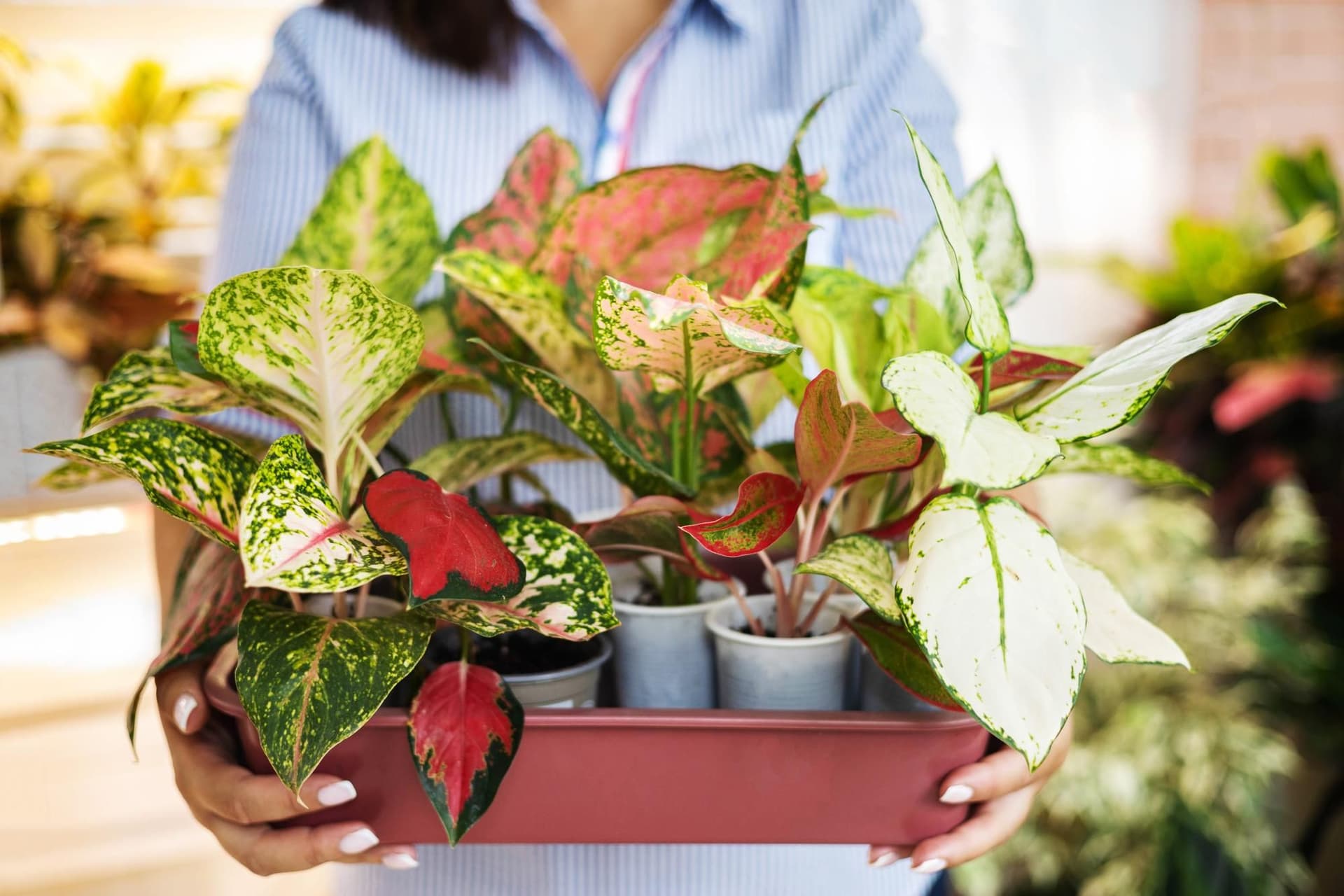
12 Most Wanted Rare Houseplants to Grow at Home

6 min read · 21 Sept 2026

12 Most Wanted Rare Houseplants to Grow at Home

Rare houseplants can turn an ordinary corner in your apartment into a living botanical collection. This guide covers 12 most admired picks, what makes them special, and how to grow them successfully at home.

Plant Recommendations
12 Most Wanted Rare Houseplants to Grow at Home
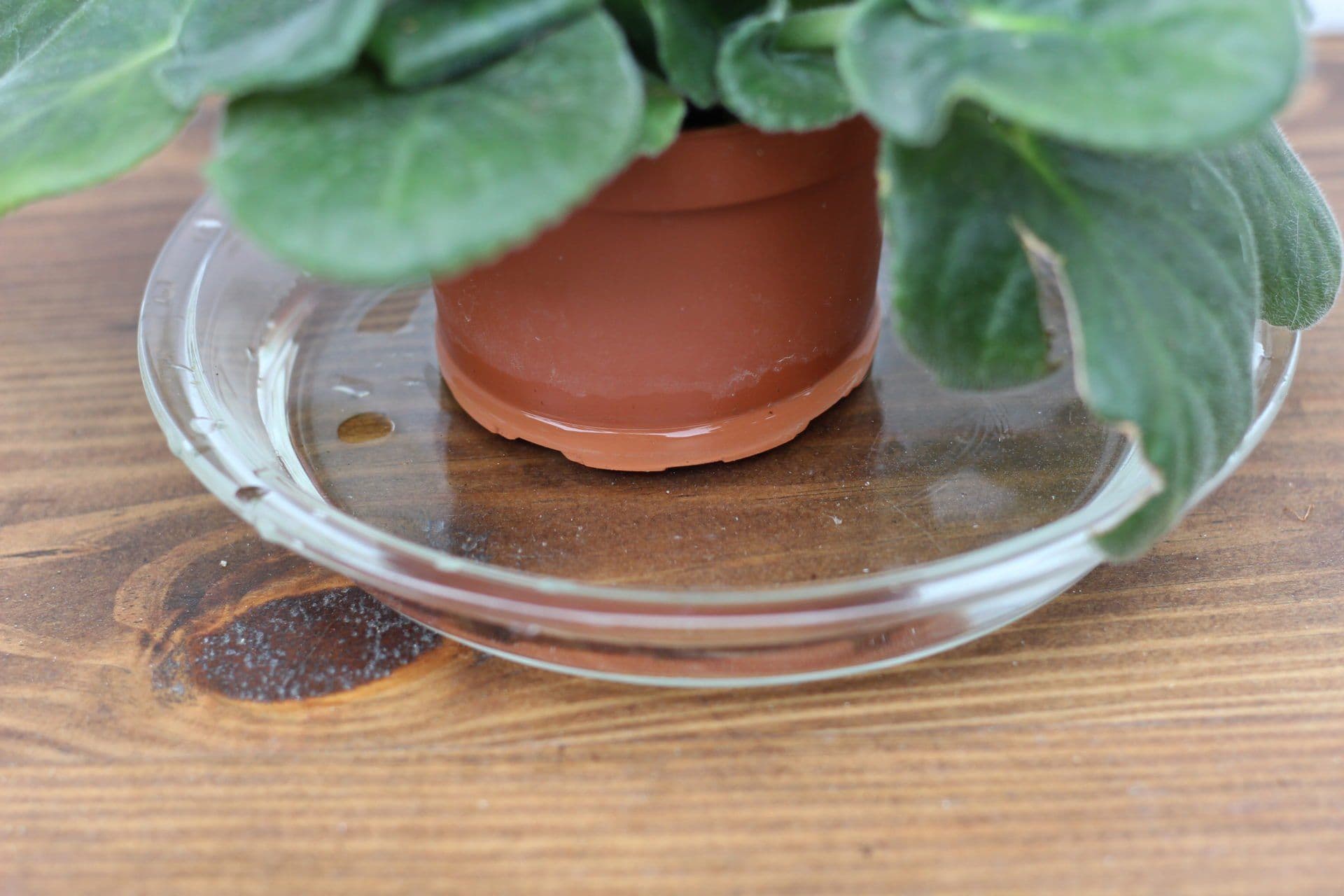
How to Bottom Water Plants: Complete Guide

6 min read · 13 Jul 2026

How to Bottom Water Plants: Complete Guide

Bottom watering helps soil absorb moisture evenly and keeps foliage dry, reducing the risk of missed dry spots or root problems. Place the pot in a tray of water for a short time, then let it drain well.

Plant Care
How to Bottom Water Plants: Complete Guide
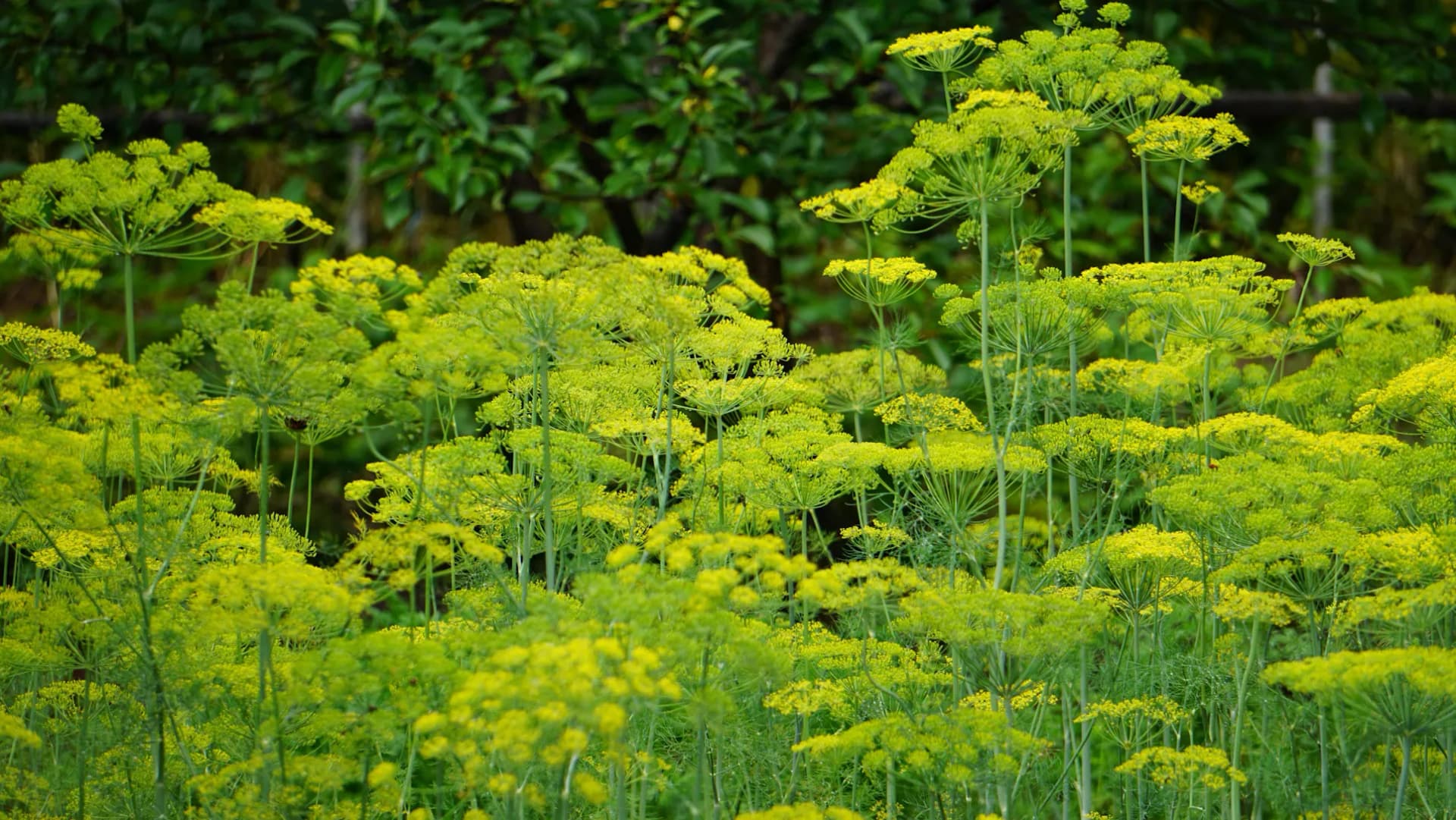
Dill Companion Plants – What to Grow Next to Dill

9 min read · 17 Jul 2026

Dill Companion Plants – What to Grow Next to Dill

Dill is an easy-to-grow plant that gets along well with many vegetables. This guide describes 15 plants that can be planted alongside it, a few to avoid, and mistakes that can quietly sabotage the entire process.

Plant Recommendations
Dill Companion Plants – What to Grow Next to Dill