Seasonal dormancy response
Alocasia ‘Amazonica’ often sheds leaves and slows growth in cool, low‑light seasons, reducing its water demand sharply; continuing warm‑season watering levels during this phase can lead to root and corm rot.

This page explains when, how often, and how much to water Alocasia 'Amazonica' for steady, healthy growth.

Water Requirements
Keep Soil Moist
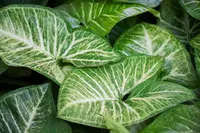
Most African mask plants are grown indoors, where watering African Mask should mimic its naturally humid, seasonally moist forest floor. Alocasia 'Amazonica' prefers evenly moist, never parched soil, with brief light drying at the surface between thorough sessions.
Indoor plants usually need more careful monitoring than outdoor specimens, which may receive supplemental rain. Use this page as a guide to match watering to your specific home conditions and adjust gradually.
Water Alocasia 'Amazonica' when the top 1–2 inches (3–5 cm) of soil feel dry, rather than by a fixed schedule. This typically means watering about every 5–10 days indoors. Warm temperatures and bright light shorten the interval, while cooler rooms or lower light extend it.
Water African Mask when the top 1-2 inches (3-5 cm) feel dry, giving a slow, deep soak that drains freely.
Incorrect moisture levels can trigger several problems for Alocasia 'Amazonica' indoors.
Older leaves turn uniformly yellow from soggy, compacted soil and insufficient drainage around the roots.
Leaf margins dry, curl, and crisp from chronic underwatering or humidity far below tropical conditions.
Petiole and leaf blades lose firmness when roots suffocate in constantly wet, poorly aerated mix.
Roots appear black and slimy due to prolonged saturation, favoring fungal pathogens in dense soil.
New leaves emerge tiny and infrequently when watering is erratic and soil cycles between extremes.
Keep the root zone evenly moist in airy soil, avoiding both prolonged dryness and saturation.
Unsuitable watering habits quickly stress African Mask, Alocasia 'Amazonica', which prefers steady moisture yet is sensitive to excess water and poor drainage.
Aim for evenly moist, never waterlogged soil, adjusting timing to dryness, container drainage quality, and seasonal indoor conditions.
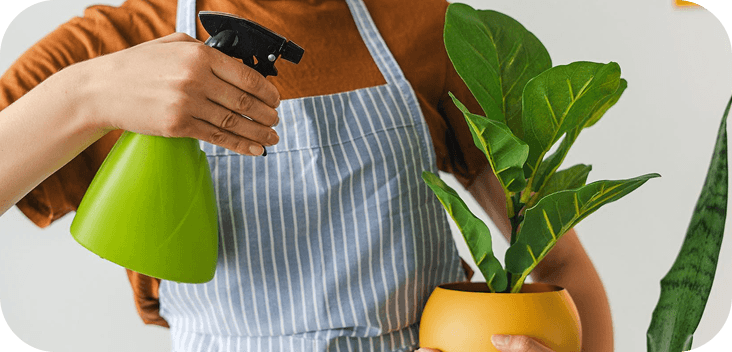
Plant Water Guide
Learn how much water your plant needs and keep its routine on track
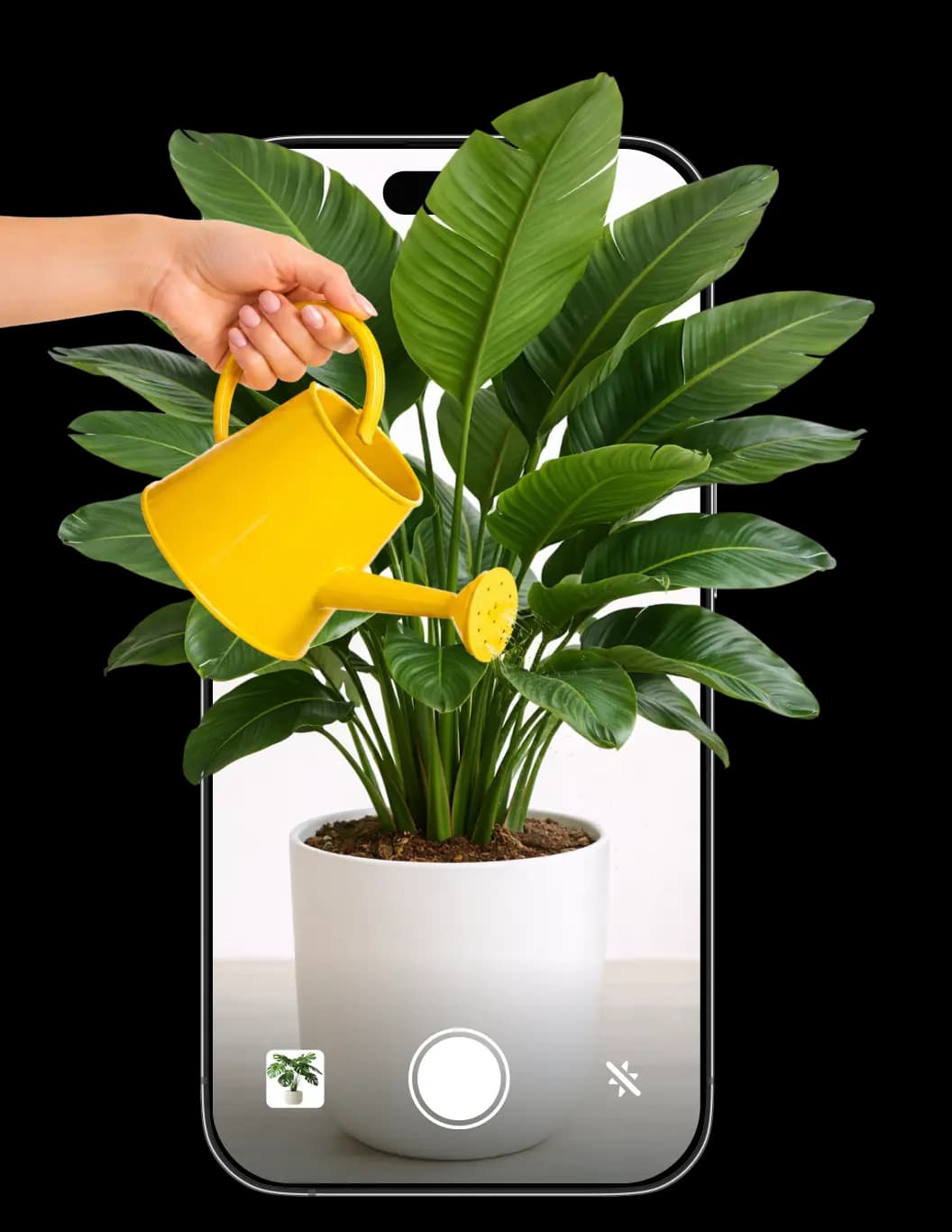
Use Botan for a tailored watering guide and simple care steps for Alocasia 'Amazonica', plus gentle photo-based checks that help spot early leaf and watering issues.
Alocasia ‘Amazonica’ often sheds leaves and slows growth in cool, low‑light seasons, reducing its water demand sharply; continuing warm‑season watering levels during this phase can lead to root and corm rot.
This hybrid has relatively shallow, oxygen‑hungry roots that react poorly to stagnant, waterlogged substrate, so it tends to thrive in airy mixes that drain quickly but are kept lightly and consistently moist.
Check the top 1–2 inches (3–5 cm) of soil and water when it feels dry, usually every 5–10 days in warm months. In lower light or cooler rooms, reduce how often to water and monitor soil moisture closely.
Botan reviews your watering pattern and highlights when adjustments may be needed.
7 min read · 11 Aug 2026
Irrigation needs change as roots establish and weather shifts. This guide gives practical starting intervals, explains how soil and tree type change them, and shows how to recognize both excess moisture and drought stress.
4 min read · 14 Sept 2026
Sugar water may sound like an easy boost, but most rooted plants do not need extra sucrose. This guide explains how green tissues produce carbohydrates, when a sweetened solution can be useful, and why too much can cause problems.
7 min read · 22 Jul 2026
Curious which fruits the world actually eats the most? Here's the top-20 by production volume, an overview of what people choose in each region, and a few figures that defy common assumptions.