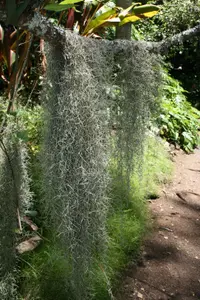
Spanish moss (Tillandsia usneoides) Watering Guide

This page explains when, how often, and how much to water Spanish moss in straightforward, practical terms.

Water Requirements

Regular Water

Tillandsia usneoides Watering

This airy epiphyte absorbs moisture from humid air and light surface wetting rather than from soil. In its native warm, often humid habitats, rainfall and mist come and go, so Tillandsia usneoides experiences regular drying between moisture events.

For indoor watering Spanish moss, aim for intermittent moisture with good drying in between, instead of constant wetness. Outdoors, the basic approach stays similar, but natural humidity and rainfall often supplement how to water Spanish moss.

Water when the strands feel dry and crisp rather than cool and flexible, usually after the plant has been dry for several hours. In warm, bright conditions, this may mean misting or soaking about every 2–4 days; in cooler or more humid spaces, intervals stretch longer.

Water when Spanish moss feels dry and crisp, then rehydrate with thorough misting or soaking that wets all strands evenly.

  • Mist the hanging strands with room-temperature, low-mineral water until they glisten and drip lightly from the tips.
  • For deeper hydration, dunk the whole clump in water for several minutes, then lift and gently shake off excess.
  • After soaking, hang the moss somewhere bright and airy so it dries within a few hours, preventing extended sogginess.
  • Avoid letting Spanish moss sit in collected water; ensure no part rests in a tray, vase, or decorative container.

Incorrect moisture balance can trigger several problems for Tillandsia usneoides indoors and outdoors.

Curled Crispy Strands:

Leaf strands curl tightly and feel brittle when prolonged dryness or infrequent misting deprives tissues of moisture.

Pale Silver Fading:

Silvery coating dulls and patches fade green after repeated overwatering prevents proper gas exchange and respiration.

Brown Rotting Bases:

Inner nodes turn brown and mushy when dense clumps stay wet with poor air circulation.

Sour Musty Odor:

Unpleasant smell develops from decomposing tissue when plants remain shaded, stagnant, and chronically saturated.

Aim for frequent light wetting with fast drying and strong air movement between waterings.

Unsuitable watering habits can leave Spanish moss stressed, because this air plant absorbs moisture directly through its leaves, not roots.

  • Following a strict schedule: Watering on a calendar instead of watching how fast the strands dry can keep foliage wet too long or too briefly; adjust by season and airflow.
  • Treating it like potted soil: Planting Tillandsia usneoides in regular potting mix suffocates its tissues; instead, keep it mounted or hanging with free air movement.
  • Leaving it in water: Soaking and then letting clumps sit in a bowl or saucer slows drying; after watering, shake gently and hang to drip-dry.

Aim for thorough wetting followed by quick drying in bright, airy conditions, adjusting watering frequency to temperature and ventilation changes.

  • Spring: New growth begins, so mist more regularly, ensuring strands dry within a few hours between waterings to avoid rot in cool snaps.
  • Summer: In hot, dry air or strong indoor AC, increase misting or brief soak frequency, monitoring that leaves never stay wet overnight.
  • Fall: As temperatures and daylight drop, gradually reduce watering, spacing out mists while still preventing the strands from feeling fully crisp or brittle.
  • Winter: Growth slows in cool or heated indoor air, so mist lightly but less often, focusing on good air movement and quick drying.

Your Spanish moss Care Companion

Use Botan for a simple watering guide and care reminders for Spanish moss, plus gentle photo-based checkups that help notice early signs of stress or other plant issues.

Botan plant care app — identify plants on mobile

Interesting Watering Facts

Lives on humid air

In its native habitats from the southeastern United States to South America, Spanish moss absorbs most of its moisture directly from humid air and fog through specialized leaf scales, so it often thrives in areas with frequent dew and high nighttime humidity rather than constant rainfall.


Rainfall triggers growth

Field observations show that Spanish moss rapidly rehydrates and resumes metabolic activity after rain, with the gray, curled strands turning greener and more flexible as the leaf scales fill with water, then gradually drying back to a silvery gray as surface moisture evaporates.

No internal water storage

Unlike many bromeliads and succulents, Spanish moss has no water-holding tanks or fleshy tissues; it relies on frequent light wetting and drying cycles, which makes it sensitive to prolonged desiccation but also reduces rot risk when exposed to short, regular wettings.

FAQ

In hot, dry weather, increase misting or soaking frequency so the strands dry within 1–3 hours but never stay crispy. Good airflow is essential; Spanish moss watering should keep it flexible, not constantly wet.

More Plant Watering Guides

Is Your Watering Routine Hurting Your Spanish moss?

Botan quickly reviews your watering pattern to support healthier moisture habits.

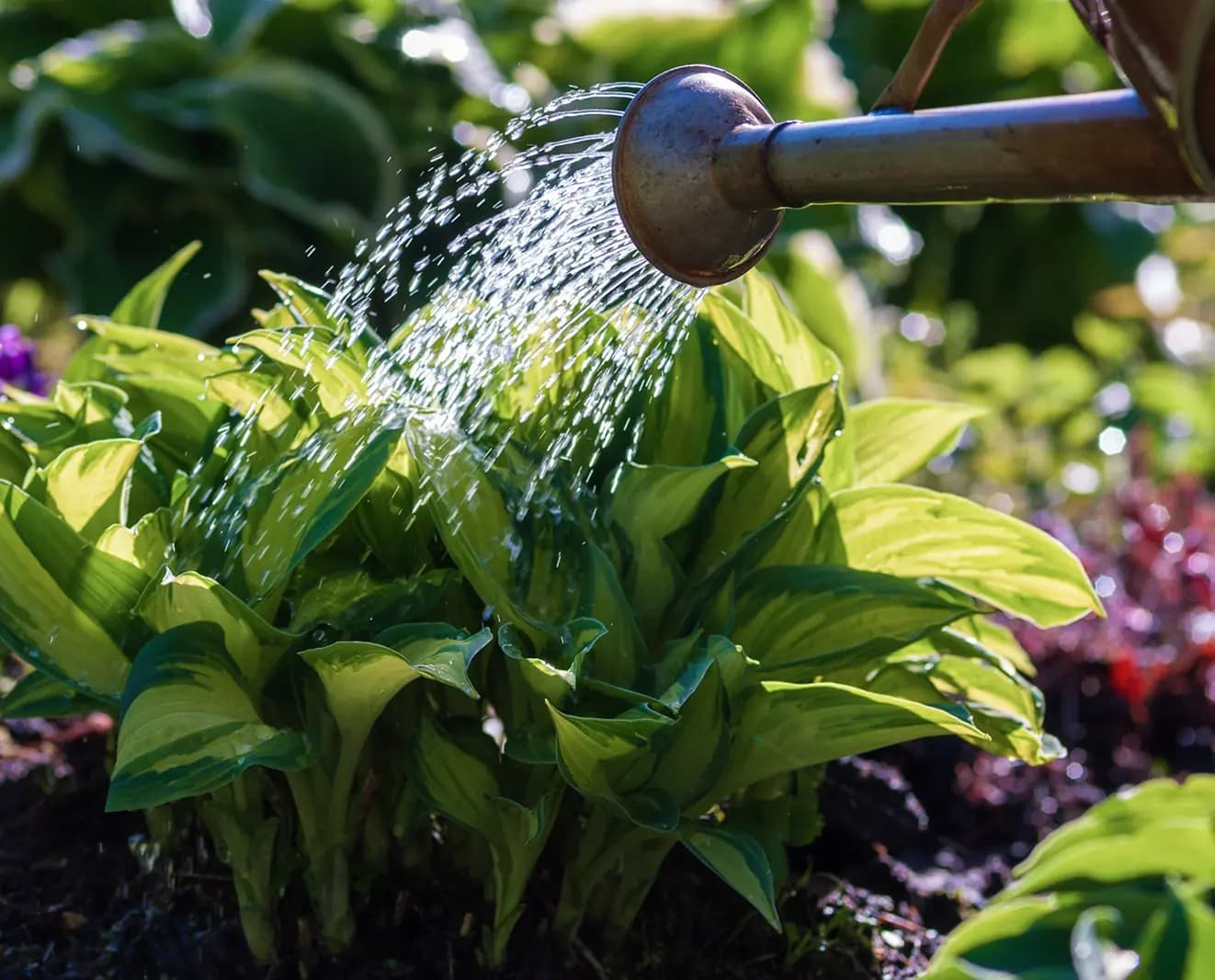
Watering a plant with a copper watering can
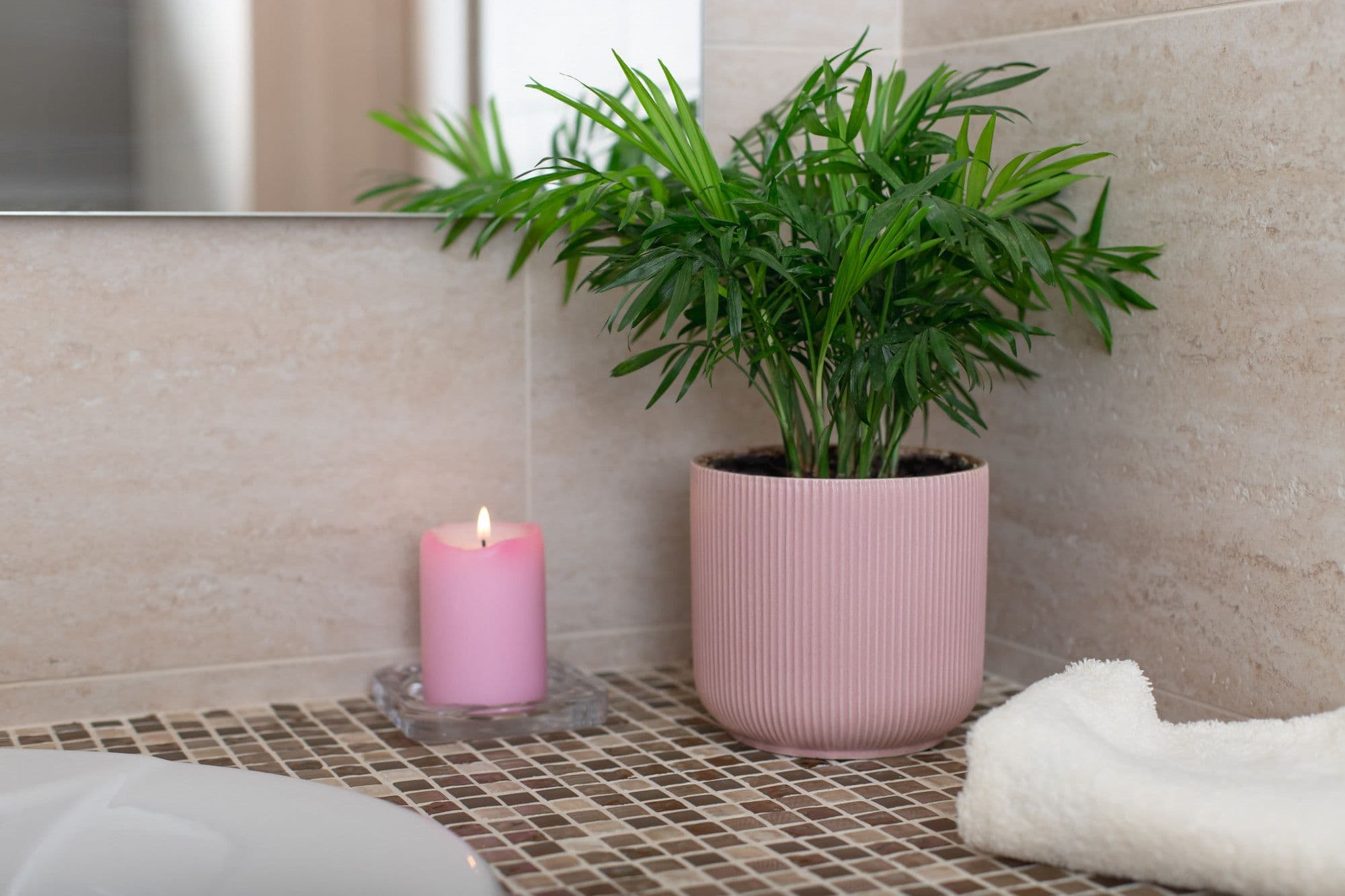
12 Best Plants for Bathroom That Thrive in Humid Conditions

9 min read · 29 Sept 2026

12 Best Plants for Bathroom That Thrive in Humid Conditions

Discover the 12 best plants for bathroom spaces. Each pick comes with its own advantages, plus light, humidity, watering, and placement tips. Take a look and match the plant to your specific bathroom.

Plant Recommendations
12 Best Plants for Bathroom That Thrive in Humid Conditions
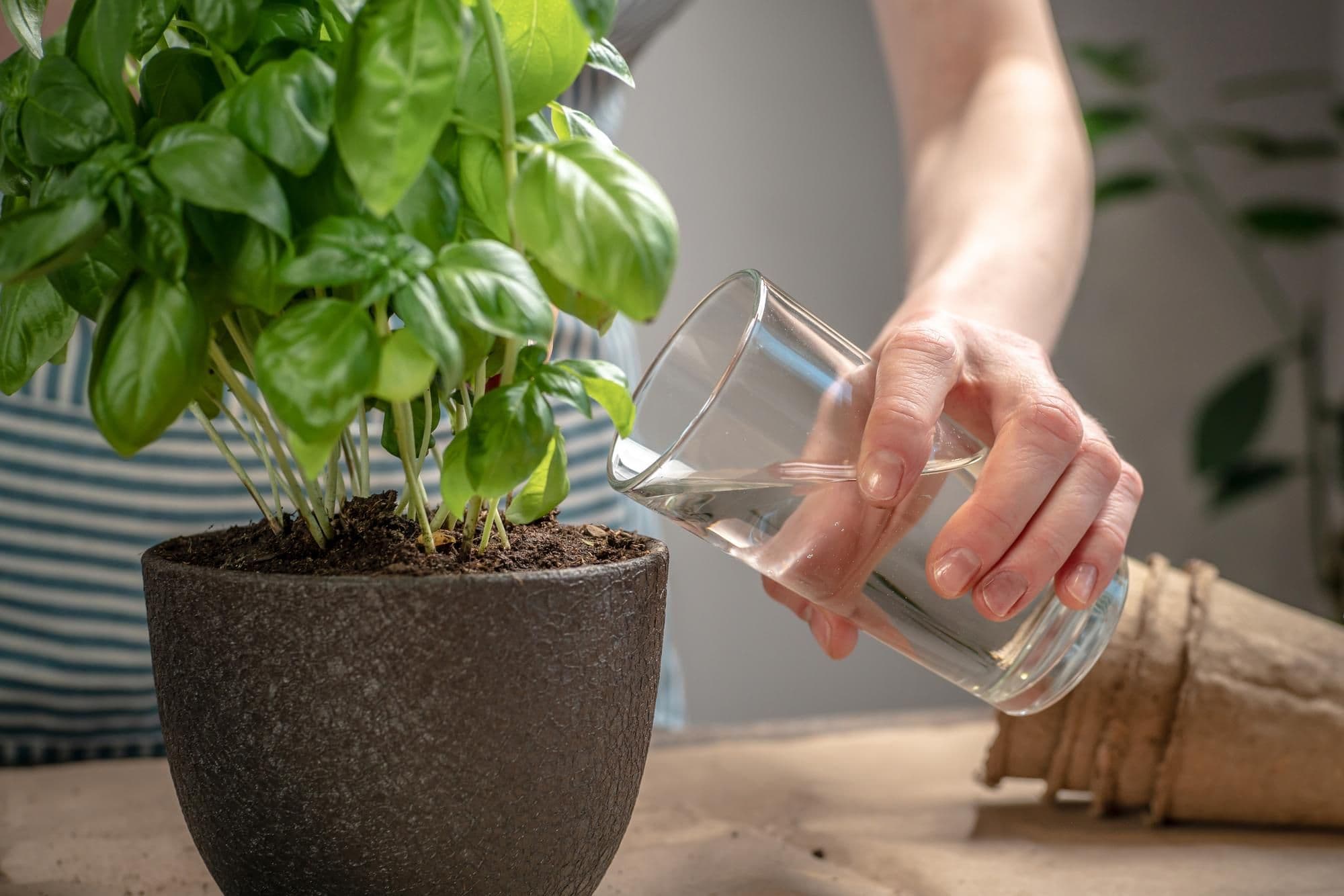
Best Water for Plants – How to Choose the Right Type

7 min read · 13 Aug 2026

Best Water for Plants – How to Choose the Right Type

Rainwater, filtered, distilled, and tap water affect plants differently. Learn which types support healthy growth and which cause slow damage. Match each to your plants and discover how to easily improve tap water quality.

Plant Care
Best Water for Plants – How to Choose the Right Type
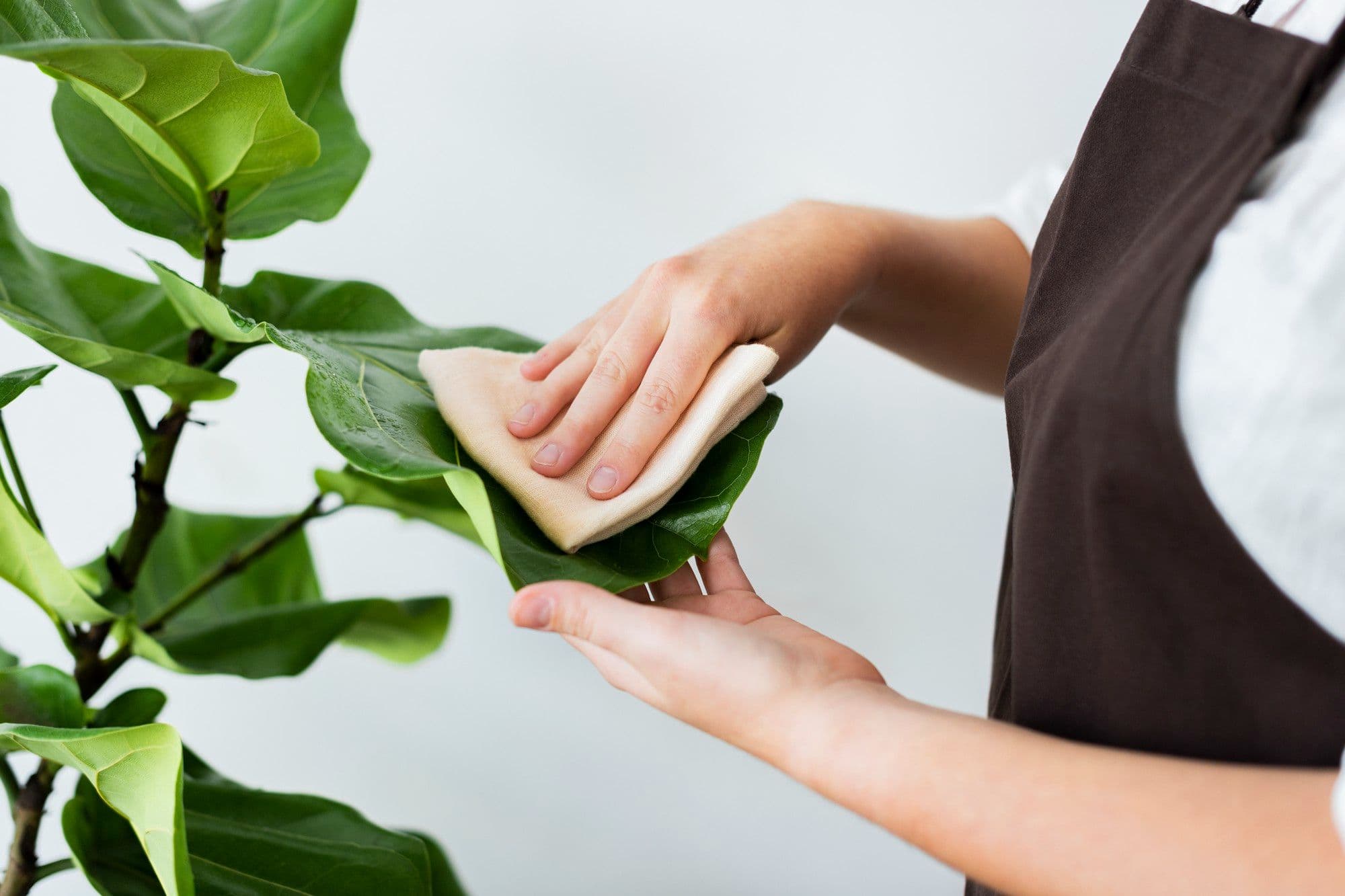
How to Clean Plant Leaves: A Simple Care Guide

6 min read · 4 Aug 2026

How to Clean Plant Leaves: A Simple Care Guide

Dusty leaves look dull and don't absorb light well. Below, you'll find simple ways to clean them, which tools are truly effective, how often you should do it, and what causes damage.

Beginner Guides
How to Clean Plant Leaves: A Simple Care Guide