Parlor Palm (Chamaedorea elegans) Watering Guide

This page explains when, how often, and how much to water Chamaedorea elegans for basic, reliable care.

Water Requirements

Moderate Water

Chamaedorea elegans Watering

This compact palm prefers steady, light moisture rather than soggy or bone-dry soil. In its native understory forests, rainfall is frequent but filtered, keeping the soil lightly damp. For indoor Chamaedorea elegans, watering Parlor Palm means aiming for slightly moist soil that never stays saturated for long.

Most plants are grown in containers indoors, where monitoring soil feel and room conditions guides how to water Parlor Palm effectively.

Let the top 1–2 inches (3–5 cm) of soil dry before watering again; the plant prefers consistently lightly moist, not soggy, soil. Indoors, this usually means watering about every 7–14 days. In brighter light or warmer, drier air, the interval often shortens, while lower light can lengthen it.

Water Parlor Palm when the top 1-2 inches (3-5 cm) of soil feel dry, using slow, even applications.

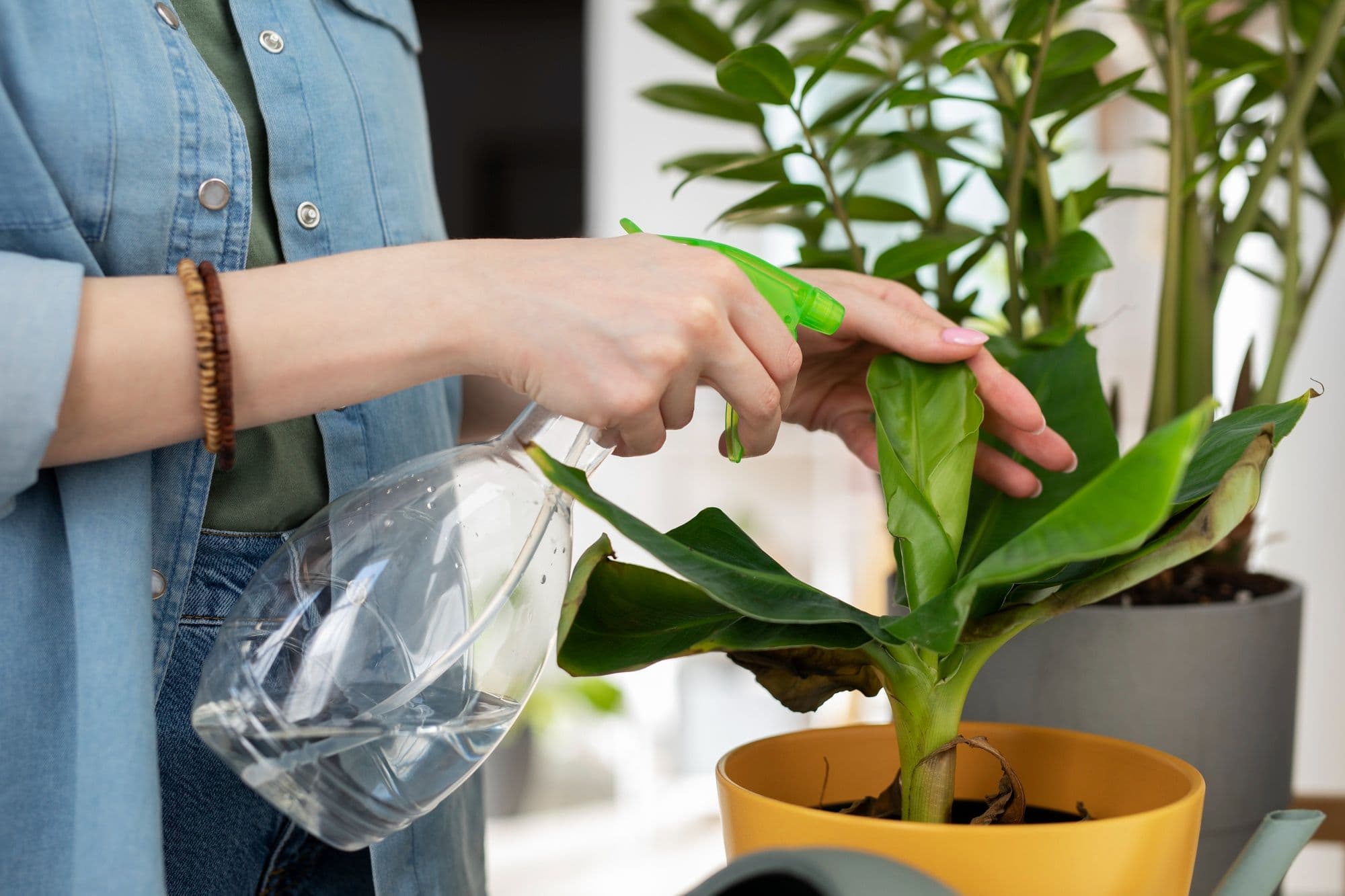
  • Pour room-temperature water onto the soil surface around the base, avoiding the crown and wetting leaves as little as possible.
  • Apply water slowly in circles over the potting mix so it soaks through the entire root zone without pooling on top.
  • Continue adding water until it runs from the drainage holes, confirming the soil is uniformly moist from top to bottom.
  • Empty saucers or decorative cachepots after draining so the container does not sit in standing water for extended periods.

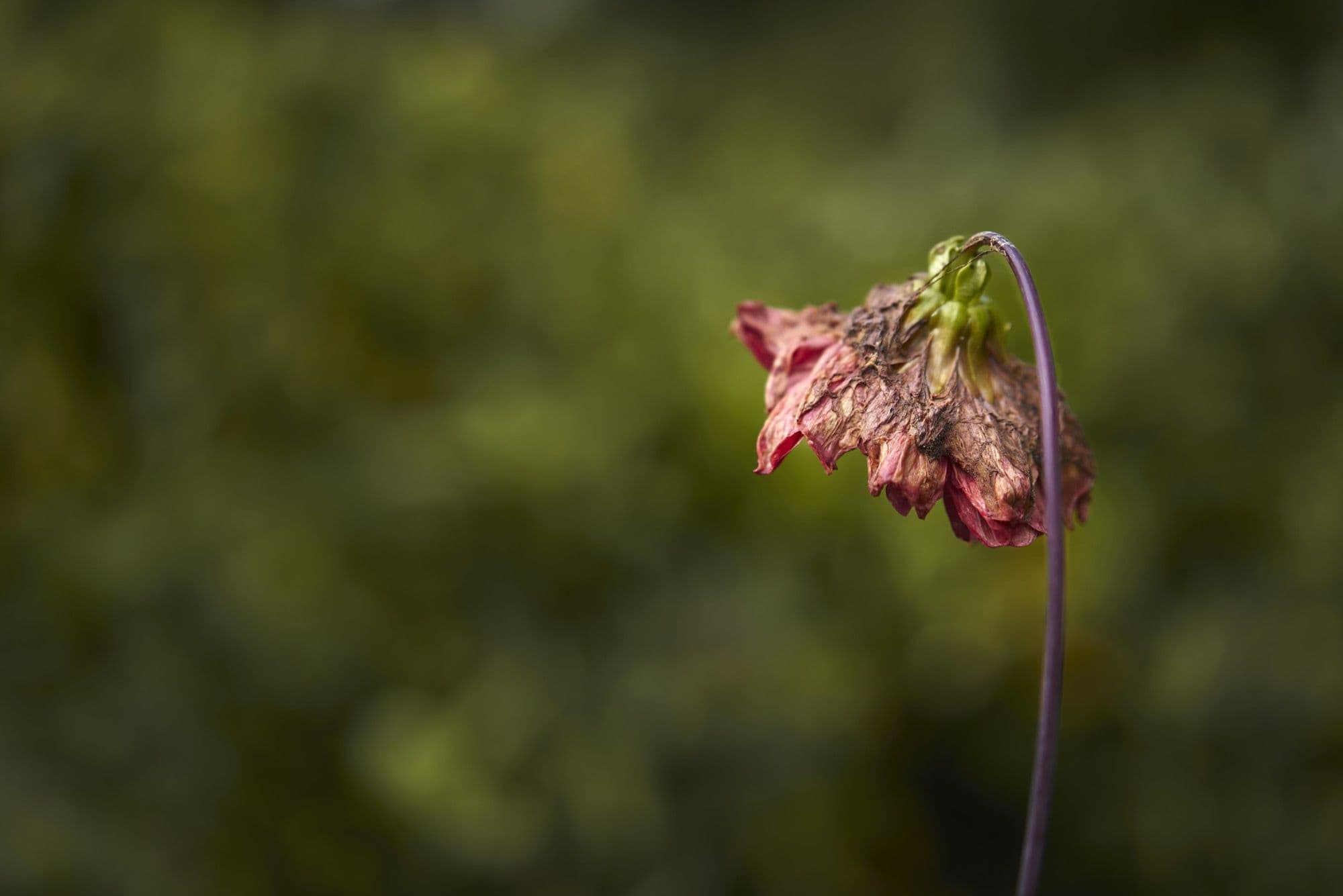
Incorrect moisture levels can stress Chamaedorea elegans and gradually weaken overall growth and appearance.

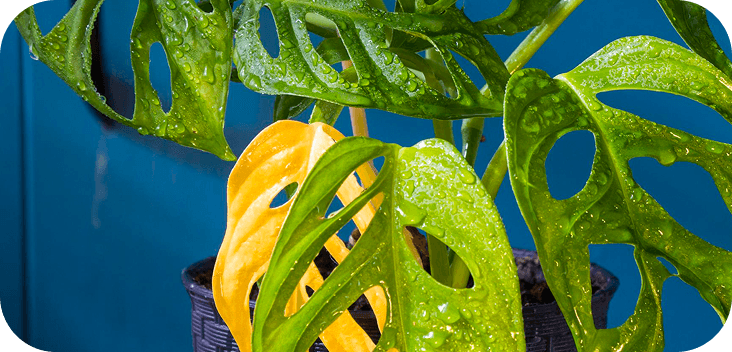
Yellowing Lower Fronds:

Older leaves turn uniformly yellow from the base, usually from chronic overwatering or heavy, poorly drained soil.

Brown Crispy Leaf Tips:

Fine leaflet tips dry, brown, and crumble from underwatering, low humidity, or excess fertilizer salts.

Wilting With Wet Soil:

Fronds droop while the potting mix feels saturated, suggesting root rot from prolonged waterlogged conditions.

Wilting With Dry Soil:

Foliage droops and fronds feel limp while the upper soil is dry and pulling from container edges.

Moldy Soil Surface:

White or gray fuzz develops on potting mix when watering is frequent and airflow remains limited.

Keep the root zone evenly moist but never saturated, adjusting frequency to pot size, light, and season.

Unsuitable watering habits weaken Chamaedorea elegans by stressing its shallow roots and disrupting the balance between moisture, air, and nutrients.

  • Rigid calendar watering: Following a fixed schedule instead of checking soil moisture keeps it too wet or too dry; adjust timing to room conditions.
  • Heavy, compact soil: Using dense potting soil that holds water too long suffocates roots; choose a loose peat-based mix with perlite for drainage.
  • Water left in saucer: Allowing drained water to sit under the pot keeps roots saturated; empty the saucer within a few minutes after watering.

Safer watering focuses on moderate, well-drained moisture by checking the soil, using breathable mix, and avoiding prolonged saturation at the roots.

  • Spring: Resume slightly deeper watering as new fronds emerge, letting the top inch of mix dry while avoiding sudden swings between soggy and bone dry.
  • Summer: In warm, bright rooms, evaporation increases, so check moisture more often and water when the top inch feels dry, not on a schedule.
  • Fall: Growth slows, so extend the drying period a bit and reduce volume, keeping soil lightly moist rather than consistently wet.
  • Winter: With cooler temps and lower light, water sparingly after the top 1–2 inches dry, and avoid cold water directly on roots.

Your Parlor Palm Care Companion

Use Botan for a clear Chamaedorea elegans watering guide, tailored reminders, and simple care steps, plus gentle photo-based checks that help notice leaf issues before they spread.

Botan plant care app — identify plants on mobile

Interesting Watering Facts

Streambank forest origins

In the wild, Chamaedorea elegans often grows on shaded, moist forest floors near streambanks in southern Mexico and Guatemala, so its roots are adapted to evenly damp but not waterlogged soil rather than periods of flooding or strong drought.


Shallow, moisture‑seeking roots

This species forms relatively shallow roots that spread through surface leaf litter, where moisture is more consistent. In pots, it tends to perform better when the upper soil stays slightly moist, reflecting this natural pattern.

Low tolerance to salts

Chamaedorea elegans is sensitive to dissolved salts that accumulate when water evaporates from the soil. In its native, high‑rainfall habitat, frequent natural leaching prevents buildup, which is why it often responds well to occasional thorough flushings with low‑mineral water indoors.

FAQ

Check the top 1–2 inches (3–5 cm) of soil and water when it feels dry, usually every 7–14 days. Frequency varies with light, temperature, and pot size, so adjust rather than follow a fixed schedule of how often to water.

More Plant Watering Guides

Is Your Watering Routine Hurting Your Parlor Palm?

Botan helps review your watering pattern so moisture stays in a healthy range.

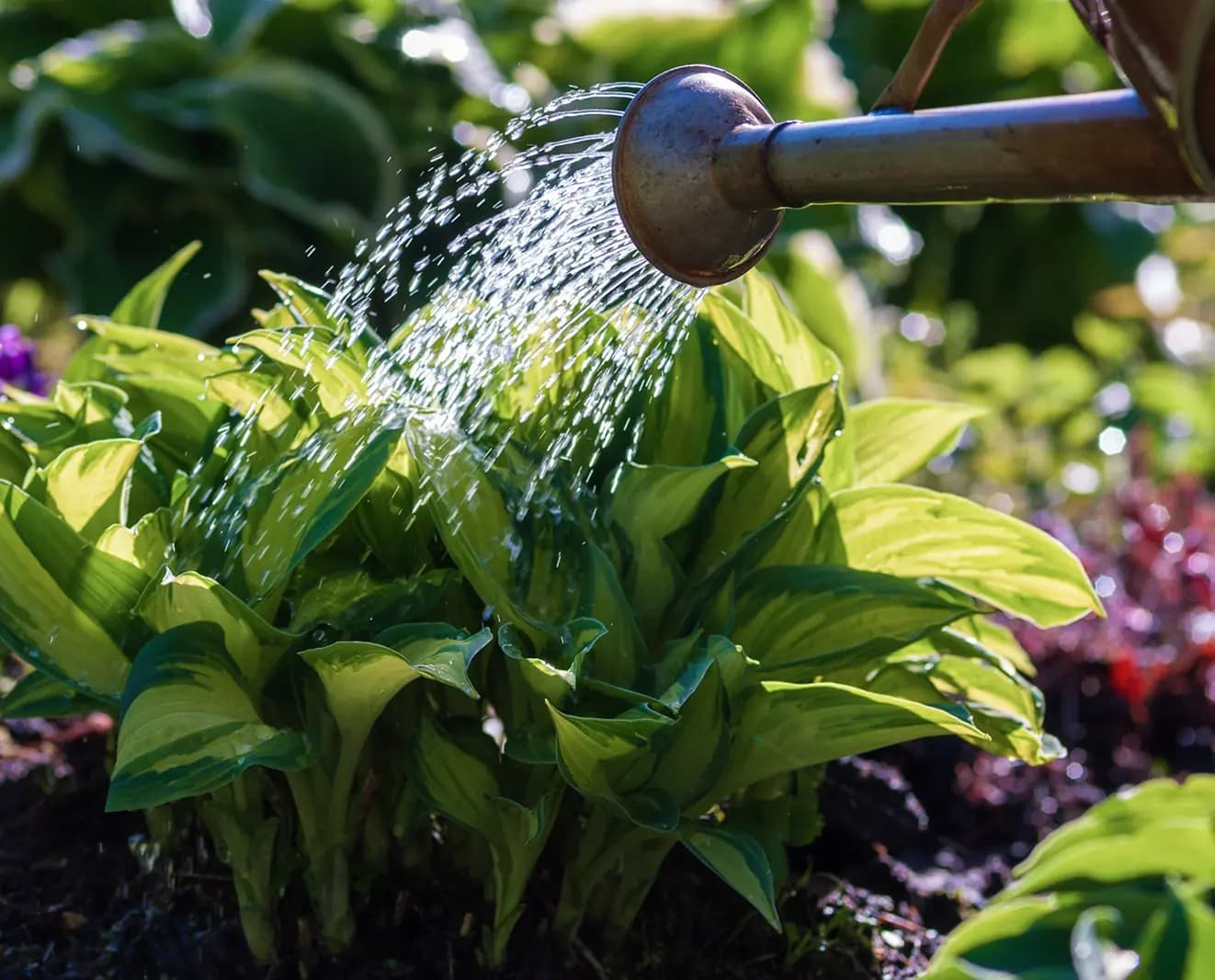
Watering a plant with a copper watering can
Best Plant Identification Apps – Accuracy, Features, and Price

11 min read · 27 Jul 2026

Best Plant Identification Apps – Accuracy, Features, and Price

We’ve tested, analyzed, and reviewed 8 top tools to find the best plant identification app. Find out which recognized common and rare plants are on the 1st attempt. Learn each app’s key features, pros, and cons — and make a fully informed choice.

Plant Recommendations
Best Plant Identification Apps – Accuracy, Features, and Price
Best Fertilizer for Vegetable Gardens – What to Use for Each Plant

11 min read · 20 Jul 2026

Best Fertilizer for Vegetable Gardens – What to Use for Each Plant

Here, you’ll find the right fertilizer formula for vegetables in your garden. Learn how to adjust feeding correctly throughout the growing cycle, spot nutrient deficiencies by their symptoms, and keep your plants healthy and prolific.

Plant Recommendations
Best Fertilizer for Vegetable Gardens – What to Use for Each Plant
How Often to Water Fruit Trees

7 min read · 11 Aug 2026

How Often to Water Fruit Trees

Irrigation needs change as roots establish and weather shifts. This guide gives practical starting intervals, explains how soil and tree type change them, and shows how to recognize both excess moisture and drought stress.

Plant Care
How Often to Water Fruit Trees