
6 min read · 19 Aug 2026
How to Tell if a Plant Is Dead
A plant can lose its leaves, stop growing, or collapse and still remain alive. A closer look at the stems, roots, bulbs, and tubers can show whether the plant still has a chance to recover.
This page explains when, how often, and how much to water Scindapsus pictus in straightforward, practical terms.

Water Requirements
Moderate Water

In its Southeast Asian forest habitat, this vine grows where soil dries slightly between short, regular rains. Indoors, it prefers a gentle cycle of partial drying and light re-moistening rather than constant wetness.
Scindapsus pictus responds best when watering Satin Pothos respects that balance, keeping the potting mix lightly moist overall. This opening guide explains how to water Satin Pothos in a simple, repeatable way before finer adjustments.
Water when the top 1–2 inches (3–5 cm) of soil feel dry and the pot feels noticeably lighter. Scindapsus pictus typically needs watering about every 7–12 days indoors, but bright light or warm summer conditions shorten this interval, while lower light or cooler rooms extend it.
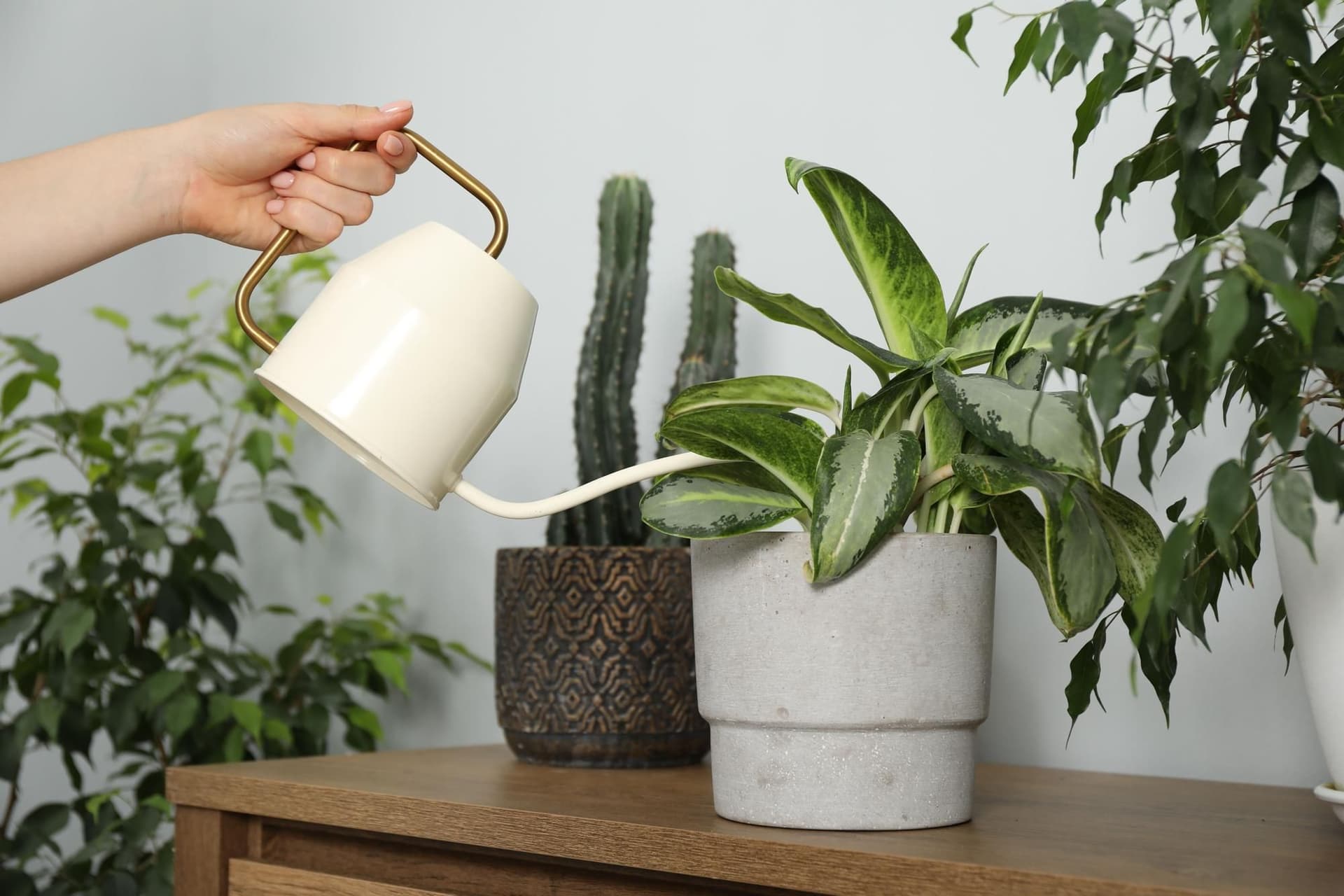
Water Satin Pothos when the top 1-2 inches (3-5 cm) of soil feel dry, using a slow, controlled soak.
Incorrect moisture levels may stress Scindapsus pictus and gradually weaken overall growth.
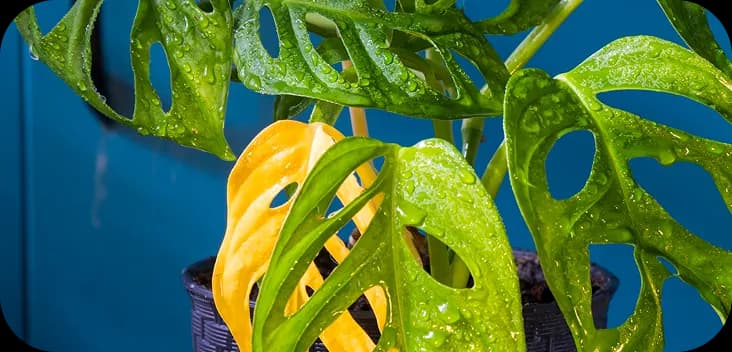
Older leaves yellow and drop when soil stays wet too long and oxygen around roots decreases.
Brown, dry margins develop when soil dries completely between waterings or humidity stays very low.
Lower nodes feel mushy from persistent saturation, signaling early root rot in compacted or waterlogged soil.
Distinct leaf variegation dulls when roots alternate between drought and overwatering, limiting steady nutrient uptake.
Mineral salts accumulate from hard tap water or shallow watering, reducing root efficiency over time.
Keep soil lightly moist with thorough, infrequent watering and allow partial drying to protect roots.
Unsuitable watering habits stress Satin Pothos, limiting growth and making Scindapsus pictus more vulnerable to pests, diseases, and leaf damage.
Safer watering for this species relies on fast-draining soil, containers that release excess moisture, and timing based on actual dryness.

Is It Time to Water?
See whether your plant is ready for watering or needs more time to dry.
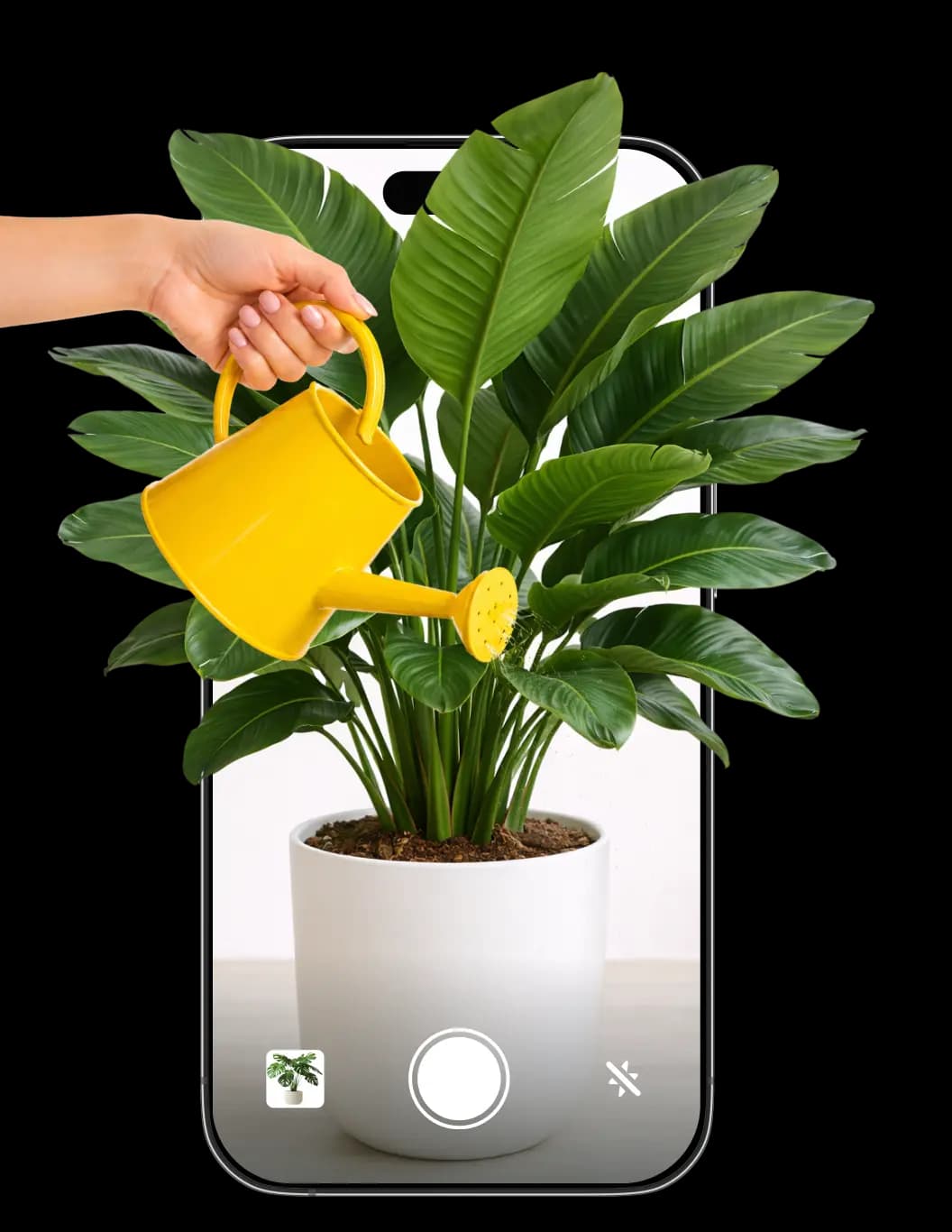
Use Botan for a clear watering guide and practical care steps for your Satin Pothos, plus gentle photo-based checkups that help notice issues early and keep routine adjustments simple.

Filtered water can be helpful if tap water is very hard or heavily chlorinated, as it reduces mineral buildup and leaf spotting. If local tap water is moderate and leaves look healthy, filtering is optional.
Botan reviews your watering habits to support steadier moisture over time.


6 min read · 19 Aug 2026
A plant can lose its leaves, stop growing, or collapse and still remain alive. A closer look at the stems, roots, bulbs, and tubers can show whether the plant still has a chance to recover.

7 min read · 20 Aug 2026
Plant pot sizes can be confusing because the number on the label only tells you part of the required information. A container may look spacious but actually be too shallow. So, how to choose pot size for plant species?

9 min read · 17 Jul 2026
Dill is an easy-to-grow plant that gets along well with many vegetables. This guide describes 15 plants that can be planted alongside it, a few to avoid, and mistakes that can quietly sabotage the entire process.