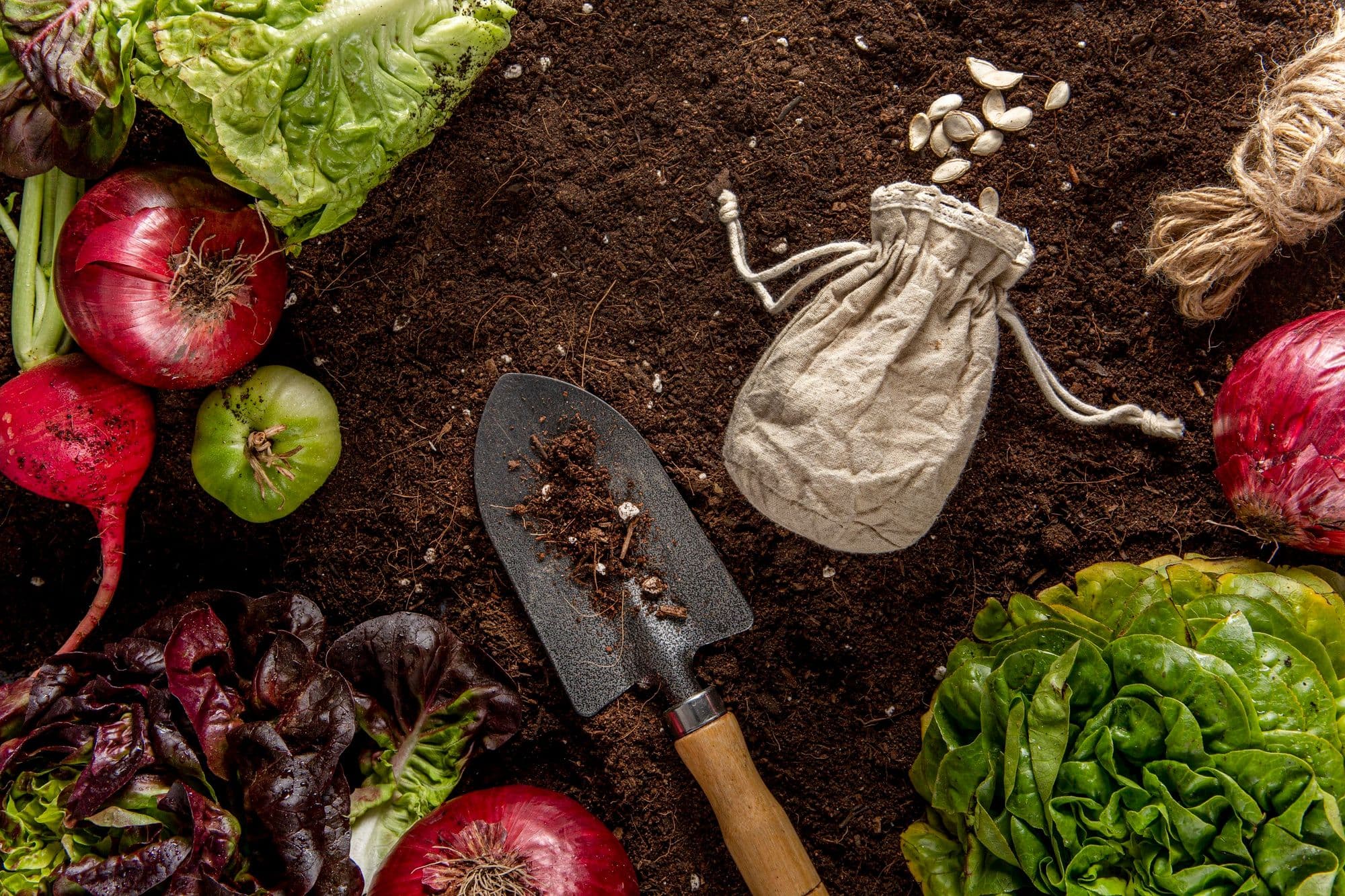



Best Soil for Satin Pothos (Scindapsus pictus)

Scindapsus pictus grows best in a loose, moisture-retentive but airy mix that supports healthy roots without staying heavy.

Soil Texture

Loamy, Peaty, Organic-rich

Soil pH

Acidic (5.5–6.5), Slightly acidic (6.5–7.0)

Soil Drainage

Moist but well-drained

Scindapsus pictus Soil Guide

Native to tropical parts of Southeast Asia, Scindapsus pictus grows where warmth, humidity, and loose organic material keep the root zone lightly moist but not stagnant. That background explains why it prefers soil that holds some moisture while still draining freely.

Its roots benefit from air around them, so the best soil for Satin Pothos feels soft, loamy, and rich in organic matter rather than dense or compacted. A slightly acidic to neutral condition suits steady root function and supports even moisture without staying waterlogged.

A homemade mix can be adjusted to stay airy while still holding enough moisture for Scindapsus pictus. The goal is balance, not heaviness.

100% total mix = 20 scoops
5%
worm castings or compost1 scoops
10%
orchid bark2 scoops
20%
perlite or pumice4 scoops
25%
coco coir or peat moss5 scoops
40%
high-quality potting soil8 scoops

The finished blend should feel light, slightly springy, and crumbly, with moisture spreading through it evenly before excess drains away.

A good target for Satin Pothos is slightly acidic to near neutral soil, around 5.5–7.0 pH. Within that range, key nutrients stay more available to the roots and are easier for the plant to absorb.

Scindapsus pictus usually handles minor variation, but strongly alkaline or very acidic conditions can gradually reduce nutrient uptake. A moderately acidic mix is typically the most reliable choice for steady growth.

This species can be sensitive to stale, compacted growing media around the roots. Soil may be part of the issue when growth slows or the mix behaves differently than usual.

Compacted mix:

Compacted mix: if the surface hardens and water lingers or runs off unevenly, gently loosen only the top layer and plan to refresh the medium soon.

Soggy root zone:

Soggy root zone: if the container stays heavy for a long time and the mix smells musty, improve drainage conditions and let the medium dry a bit more between checks.

Hydrophobic soil:

Hydrophobic soil: if very dry media shrinks from the pot edge or resists moisture, re-wet it slowly and evenly instead of flooding it all at once.

Salt buildup:

Salt buildup: a white crust on the surface can point to mineral residue, so scrape off the top layer and replace it with fresh material.

Soil Advice in Seconds

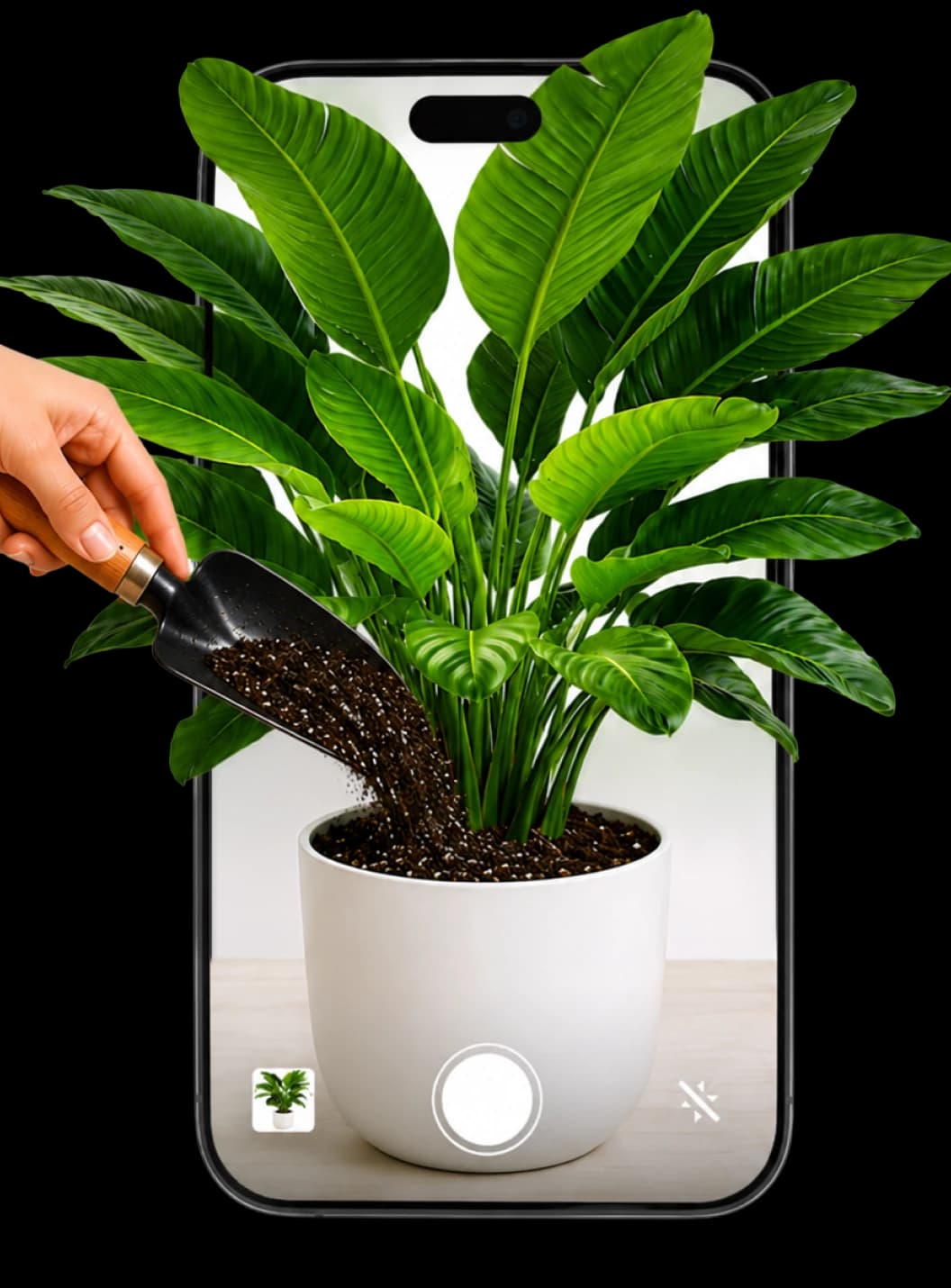
Botan helps match this plant to a more suitable soil setup based on visible condition, container type, and how the mix is behaving.

FAQ

Yes. Drainage holes help excess water leave the pot instead of collecting around the roots, which supports a more stable root environment and makes moisture levels easier to manage in Satin Pothos soil.

Everything About Satin Pothos

More Plant Soil Guides

Check What the Soil Is Doing

A photo check can help show whether the growing medium may be part of the problem and what to look at next.

Botan app helping with soil and plant care
Dill Companion Plants – What to Grow Next to Dill

9 min read · 17 Jul 2026

Dill Companion Plants – What to Grow Next to Dill

Dill is an easy-to-grow plant that gets along well with many vegetables. This guide describes 15 plants that can be planted alongside it, a few to avoid, and mistakes that can quietly sabotage the entire process.

Plant Recommendations
Dill Companion Plants – What to Grow Next to Dill
How to Water Houseplants: Watering Guide

7 min read · 24 Aug 2026

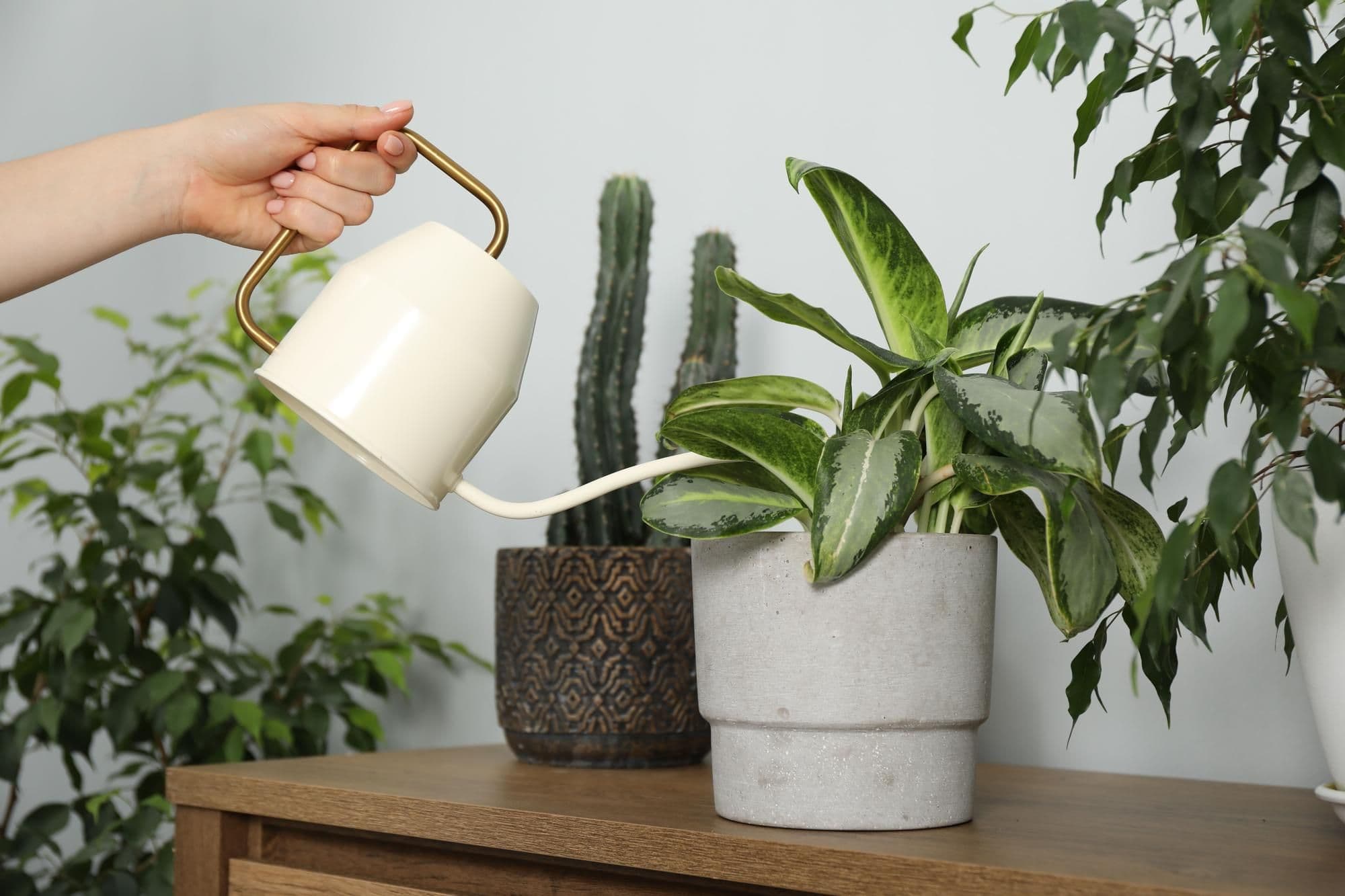
How to Water Houseplants: Watering Guide

Learn how often to water indoor plants, key factors for proper watering, and how to adjust the care routine by plant type, season, pot size, light, and indoor conditions.

Plant Care
How to Water Houseplants: Watering Guide
Best Fertilizer for Vegetable Gardens – What to Use for Each Plant

11 min read · 20 Jul 2026

Best Fertilizer for Vegetable Gardens – What to Use for Each Plant

Here, you’ll find the right fertilizer formula for vegetables in your garden. Learn how to adjust feeding correctly throughout the growing cycle, spot nutrient deficiencies by their symptoms, and keep your plants healthy and prolific.

Plant Recommendations
Best Fertilizer for Vegetable Gardens – What to Use for Each Plant