



Best Soil for Arrowhead Vine (Syngonium podophyllum)

Syngonium podophyllum grows best in a loose, moisture-retentive mix with good drainage, which supports healthy roots and steady growth.

Soil Texture

Loamy, Peaty, Organic-rich

Soil pH

Acidic (5.5–6.5), Slightly acidic (6.5–7.0)

Soil Drainage

Moist but well-drained

Syngonium podophyllum Soil Guide

Native to tropical regions of Central and South America, Syngonium podophyllum grows where the ground stays lightly moist, airy, and rich in decaying plant material. That setting helps explain why Arrowhead Vine soil should feel loose and humus-rich rather than dense or heavy.

Its roots prefer steady access to both moisture and oxygen, so the best soil for Arrowhead Vine holds some water but drains freely. A loamy, slightly peaty, organic-rich substrate suits this balance, supporting active root growth without staying compacted around the root zone.

A homemade mix gives better control over texture and drainage than many standard houseplant bags. For Syngonium podophyllum, the goal is an airy mix that still holds some moisture.

100% total mix = 20 scoops
10%
fine orchid bark2 scoops
20%
perlite or pumice4 scoops
30%
high-quality potting soil6 scoops
40%
coco coir or peat moss8 scoops

The finished blend should feel springy, crumbly, and lightly moist, with excess water moving through easily while some moisture stays around the roots.

A slightly acidic to near-neutral range of 5.5–7.0 pH works well for Arrowhead Vine. Within that range, key nutrients stay more available, which supports steady root function and balanced growth.

If the mix drifts too far outside that window, the plant may have a harder time taking up nutrients even when they are present in the soil.

This species can react quickly when the root zone stays overly wet or becomes stale and compacted. Check the mix first when growth seems off.

Compacted soil:

Dense soil that stays heavy after watering can limit oxygen at the roots, so loosen the issue by replacing part or all of the mix with a fresher, airier medium.

Soggy root zone:

A mix that remains wet for too long may stress Syngonium podophyllum roots, so first confirm drainage is clear and that excess water can leave the container freely.

Hydrophobic soil:

Very dry peat-based mix can shrink and repel water, causing moisture to run down the sides, so rewet it gradually and evenly rather than flooding it at once.

Salt buildup:

White crust on the soil surface or pot rim can point to accumulated minerals, so flush the mix thoroughly and remove the top layer if buildup is heavy.

Right Plant. Right Soil.

Botan helps match this plant to a more suitable soil setup, so texture and drainage choices are easier to judge before problems build.

FAQ

Yes. Drainage holes help excess water leave the container, which reduces the chance of stagnant, airless conditions around the roots and makes moisture levels easier to manage over time.

Everything About Arrowhead Vine

More Plant Soil Guides

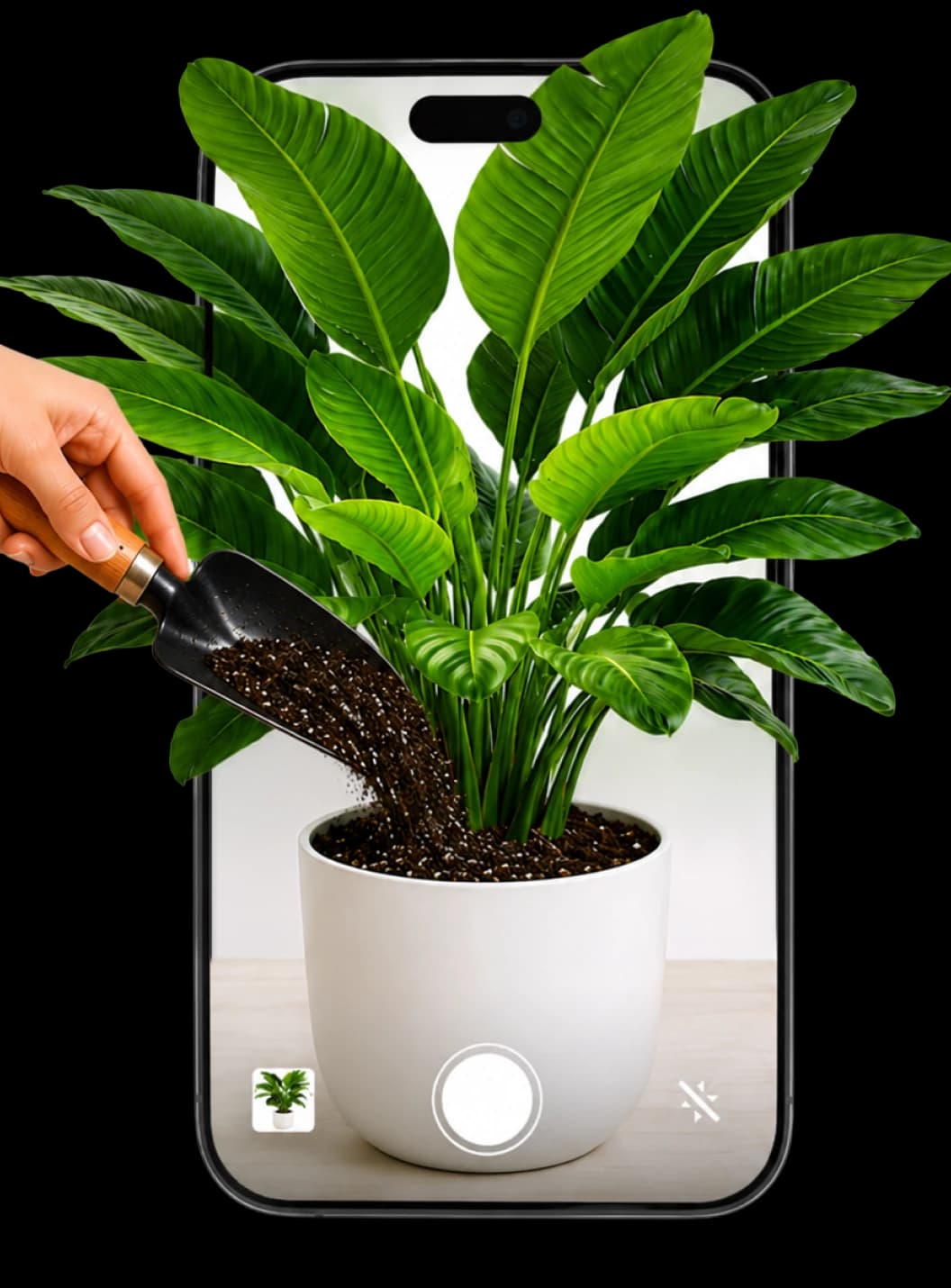
Soil Problem? Scan It.

A photo-based check can help show whether soil conditions may be part of the issue. Botan helps you rule out likely causes more clearly.

Botan app helping with soil and plant care
How to Bottom Water Plants: Complete Guide

6 min read · 13 Jul 2026

How to Bottom Water Plants: Complete Guide

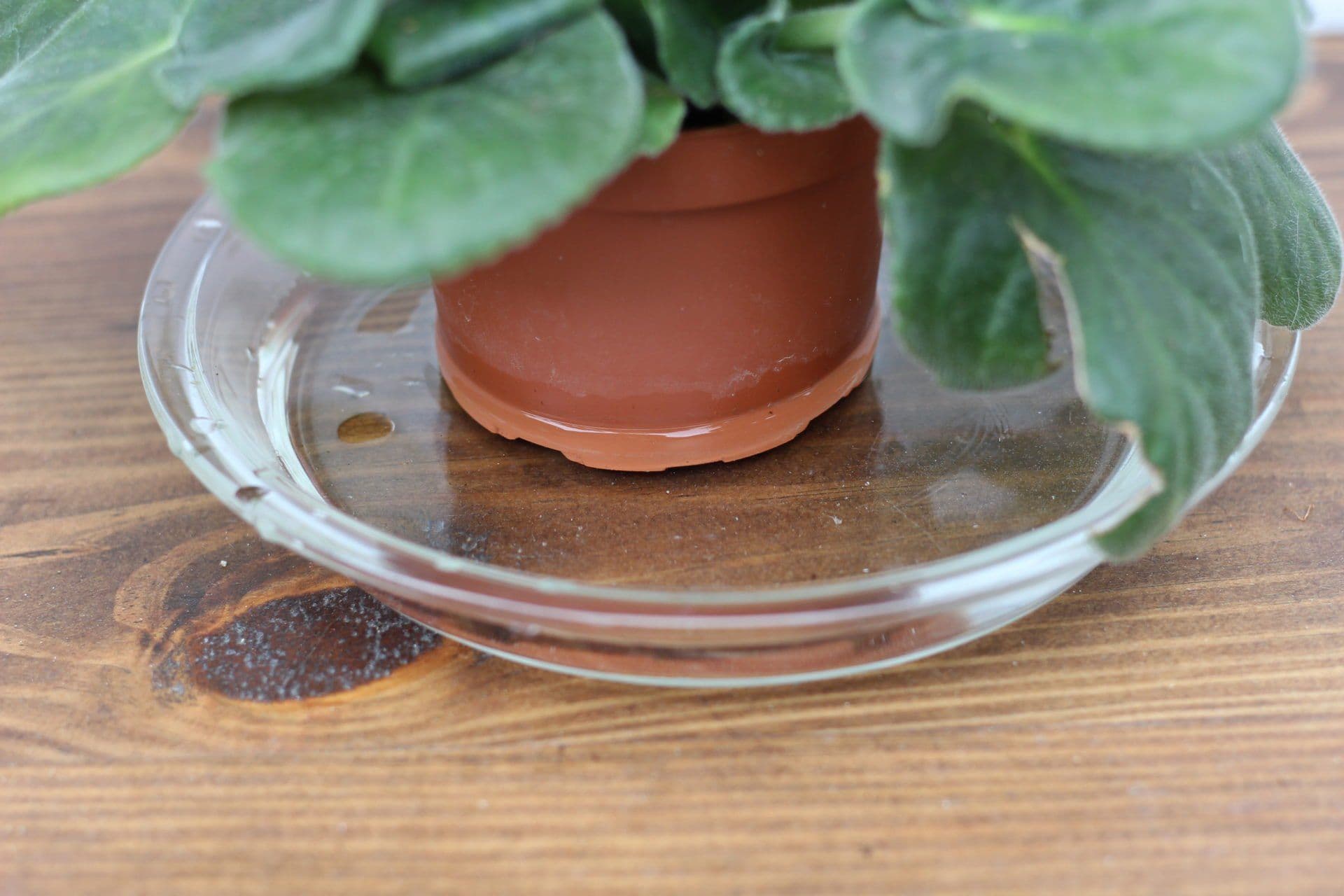
Bottom watering helps soil absorb moisture evenly and keeps foliage dry, reducing the risk of missed dry spots or root problems. Place the pot in a tray of water for a short time, then let it drain well.

Plant Care

How to Bottom Water Plants: Complete Guide
What Plants Don't Like Epsom Salt?

11 min read · 29 Jul 2026

What Plants Don't Like Epsom Salt?

Learn which plants can be seriously damaged by Epsom salt and which will thrive on it. We’ll explain when and how to use it properly, provide tips for indoor & outdoor plants — read on and enjoy a healthy garden.

Plant Care
What Plants Don't Like Epsom Salt?
Plants That Repel Mosquitoes – 10 Effective Choices

8 min read · 6 Jul 2026

Plants That Repel Mosquitoes – 10 Effective Choices

Plants that repel mosquitoes can help mask human scent naturally and make outdoor spaces more comfortable. Explore the most effective options, their benefits and drawbacks, and choose the right plant for your space.

Plant Recommendations
Plants That Repel Mosquitoes – 10 Effective Choices