
Arrowhead Vine Identification (Syngonium podophyllum)

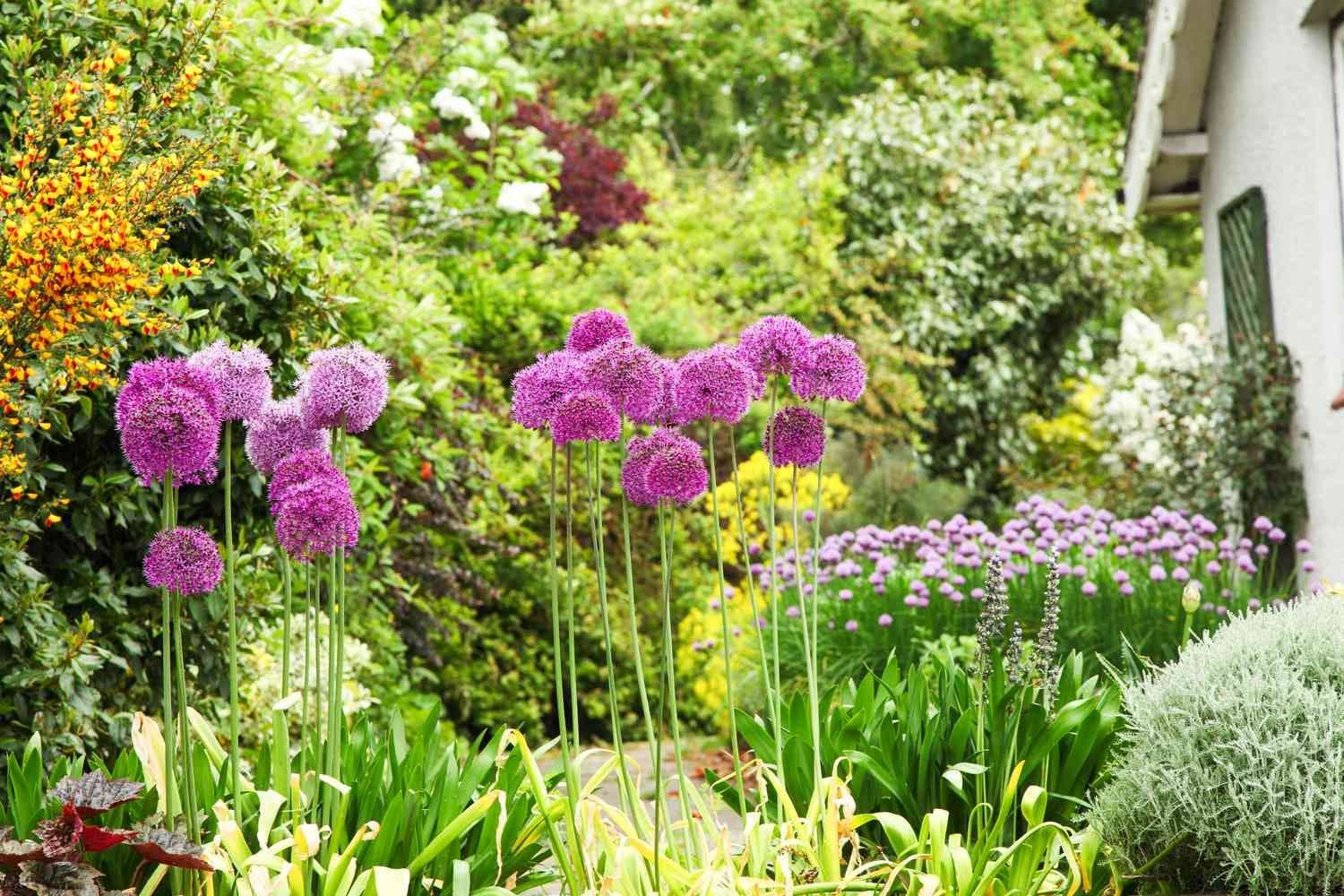
Recognize Arrowhead Vine by its arrowhead-shaped leaves with two basal lobes and a longer central lobe, each on a long petiole.

It grows as a climbing or trailing vine with distinct nodes and aerial roots along slender stems. Leaves are alternate, not paired.

Syngonium podophyllum Identification

Identify a Plant by Photo

Take or upload a photo to confirm your plant ID with Botan.

Clear images work best. Avoid photos taken too close or too far away

Use these quick traits to check for Syngonium podophyllum.

  • Leaves are arrowhead-shaped, with a pointed center lobe and two backward-pointing basal lobes.
  • Blades are usually about 4 to 12 inches long (10 to 30 cm), on long leaf stalks.
  • Stems are slender and vining, climbing or trailing rather than forming a woody trunk.
  • Leaves arise one per node along the stem, giving the vine a spaced, alternating pattern.
  • Aerial roots often appear at the nodes, where the stem can cling to support.

Check both the leaf shape and the node roots, since either trait alone is less reliable.

Syngonium podophyllum shows clear age-related leaf and growth-form changes useful for identification.

  • Juvenile plant: Leaves are simple and arrowhead-shaped, often held on slender, trailing stems; blades are typically 3-6 inches (8-15 cm) long with smooth margins.
  • Young plant: As climbing begins, stems lengthen and nodes become more obvious; leaves stay arrowhead-like but broaden and may show shallow basal lobes more distinctly.
  • Mature plant: Older climbing stems produce larger, firmer leaves that become deeply divided into several narrow segments, shifting away from the simple juvenile arrowhead outline.

Arrowhead vine has several widely grown selections with stable leaf color differences that are easy to spot.

  • 'White Butterfly': Leaves are pale green to silvery green with darker green margins and veins, creating a light, winged look unlike the typical medium-green form.
  • 'Neon Robusta': New and mature leaves are soft pink to salmon-pink rather than green, with only slight vein contrast.
  • 'Pixie': This cultivar stays smaller, with shorter internodes and leaves often under 4 inches (10 cm) long on juvenile growth.
  • 'Albo-Variegatum': Leaves show crisp white sectoral variegation or marbling on green blades, often with large white patches.
  • 'Mojito': Foliage is irregularly mottled with mint-green and darker green across the whole leaf instead of having pale centers or white sectors.

A few aroids can be mistaken for Arrowhead Vine, especially when young.

nephthytis(Syngonium angustatum)

Often confused because both climb and have arrow-shaped juvenile leaves. Syngonium angustatum usually develops narrower blades with deeper side lobes, giving a more sharply cut outline.

Florida green philodendron(Philodendron 'Florida Green')

Confusion happens when leaves become lobed. Philodendron 'Florida Green' has thicker, more irregular oak-like lobes and a stiffer self-heading to climbing habit, not the smoother, simpler arrowhead leaf shape typical here.

Syngonium podophyllum is native from southern Mexico through Central America into tropical South America, including parts of Brazil and Bolivia. In the wild it occurs mainly in lowland to foothill tropical wet forests. It is usually found in shaded rainforest understories and climbing on trees rather than in dry scrub, open grassland, or desert habitats. That forest aroid setting helps narrow identification, especially among vining houseplants often traced to humid Neotropical woodland.

  • Toxic if chewed or swallowed: Leaves and stems contain insoluble calcium oxalate crystals. Ingestion can irritate the mouth and throat in humans and pets, causing pain, drooling, and trouble swallowing.
  • Sap can irritate skin: Broken leaves or stems release sap that can cause local skin irritation in some people after contact. The main concern is contact with the sap rather than casual handling.

Scan. Check. Confirm.

Use Botan to identify or verify your plant from a photo, so you can avoid mix-ups before buying, labeling, or sharing it.

FAQ

The leaf shape is the clearest marker. Juvenile leaves are distinctly arrowhead-shaped, with two backward-pointing basal lobes and a pointed tip. That pattern is usually the fastest route for Syngonium podophyllum identification.

Everything About Arrowhead Vine

More Plant Identification Guides

From Plant ID to Plant Info

Identify a plant from a photo with Botan, then review care information, safety notes, and common problems for that species.

Botan app identifying a plant from a photo
How to Bottom Water Plants: Complete Guide

6 min read · 13 Jul 2026

How to Bottom Water Plants: Complete Guide

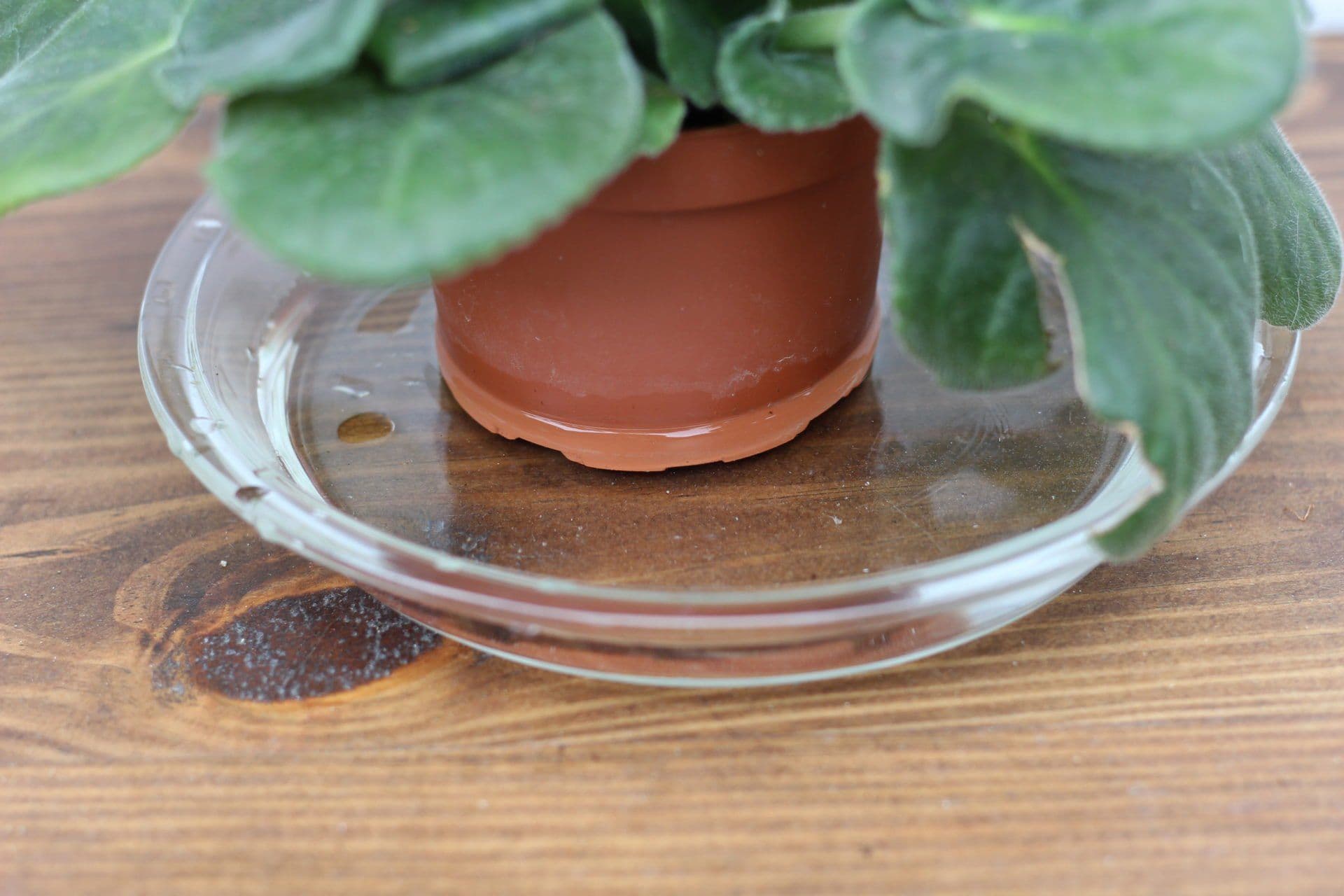
Bottom watering helps soil absorb moisture evenly and keeps foliage dry, reducing the risk of missed dry spots or root problems. Place the pot in a tray of water for a short time, then let it drain well.

Plant Care

How to Bottom Water Plants: Complete Guide
What Plants Don't Like Epsom Salt?

11 min read · 29 Jul 2026

What Plants Don't Like Epsom Salt?

Learn which plants can be seriously damaged by Epsom salt and which will thrive on it. We’ll explain when and how to use it properly, provide tips for indoor & outdoor plants — read on and enjoy a healthy garden.

Plant Care
What Plants Don't Like Epsom Salt?
Plants That Repel Mosquitoes – 10 Effective Choices

8 min read · 6 Jul 2026

Plants That Repel Mosquitoes – 10 Effective Choices

Plants that repel mosquitoes can help mask human scent naturally and make outdoor spaces more comfortable. Explore the most effective options, their benefits and drawbacks, and choose the right plant for your space.

Plant Recommendations
Plants That Repel Mosquitoes – 10 Effective Choices