Tolerant of dry spells
In gardens this species usually survives short droughts once established, because its roots can explore a wide soil volume and reduce leaf water loss, though it flowers better with consistent moisture.

This page explains when, how often, and how much to water Trachelospermum jasminoides in typical home and garden conditions.

Water Requirements
Moderate Water
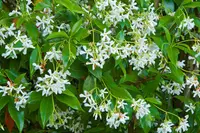
This evergreen climber appreciates moderate, steady moisture that reflects its origins in regions with warm summers and periodic rainfall. Trachelospermum jasminoides generally prefers soil that dries slightly between waterings rather than staying constantly wet or fully parched.
As a landscape and container plant, watering Star jasmine outdoors usually relies more on rainfall than indoor or patio specimens. The basic approach is flexible: aim for balanced moisture, then adjust how to water Star jasmine as light, temperature, and placement change.
Water when the top 1–2 inches (3–5 cm) of soil feel dry, both in containers and in-ground. Trachelospermum jasminoides in bright light and warm weather typically needs water about every 3–7 days, while plants in cooler conditions or partial shade usually go longer between waterings.
Water Star jasmine when the top 1-2 inches (3-5 cm) of soil feel dry, using slow, deep, thorough soaking.
Incorrect moisture can trigger several problems for Trachelospermum jasminoides, especially in containers or heavy soils.
Older leaves turn uniformly yellow from consistently wet soil, improved by lengthening intervals between waterings.
Dry, curling foliage and sudden leaf shed follow prolonged dryness, requiring deeper, more consistent soaking.
Roots appear brown and mushy in poorly drained soil, needing corrective drainage and reduced watering frequency.
Potting mix shrinks from container edges after underwatering, calling for thorough rehydration and soil refreshing.
Aim for evenly moist, well-drained soil, letting the top layer dry slightly between thorough waterings.
Unsuitable watering habits can stress Star jasmine, limiting flowering and growth and making Trachelospermum jasminoides more vulnerable to pests and temperature swings.
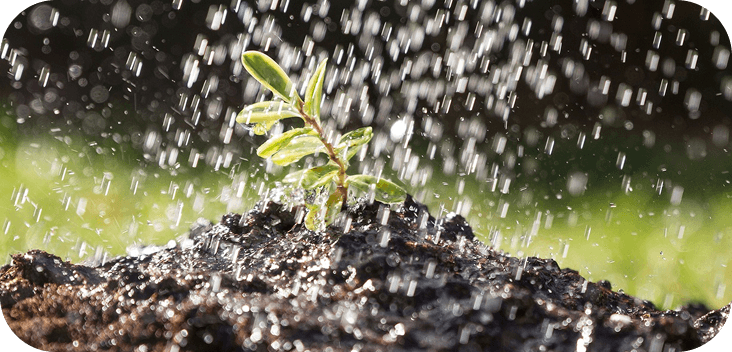
The safest approach is to water thoroughly only when the top layer of soil has dried and excess moisture can drain freely.
Watering Check
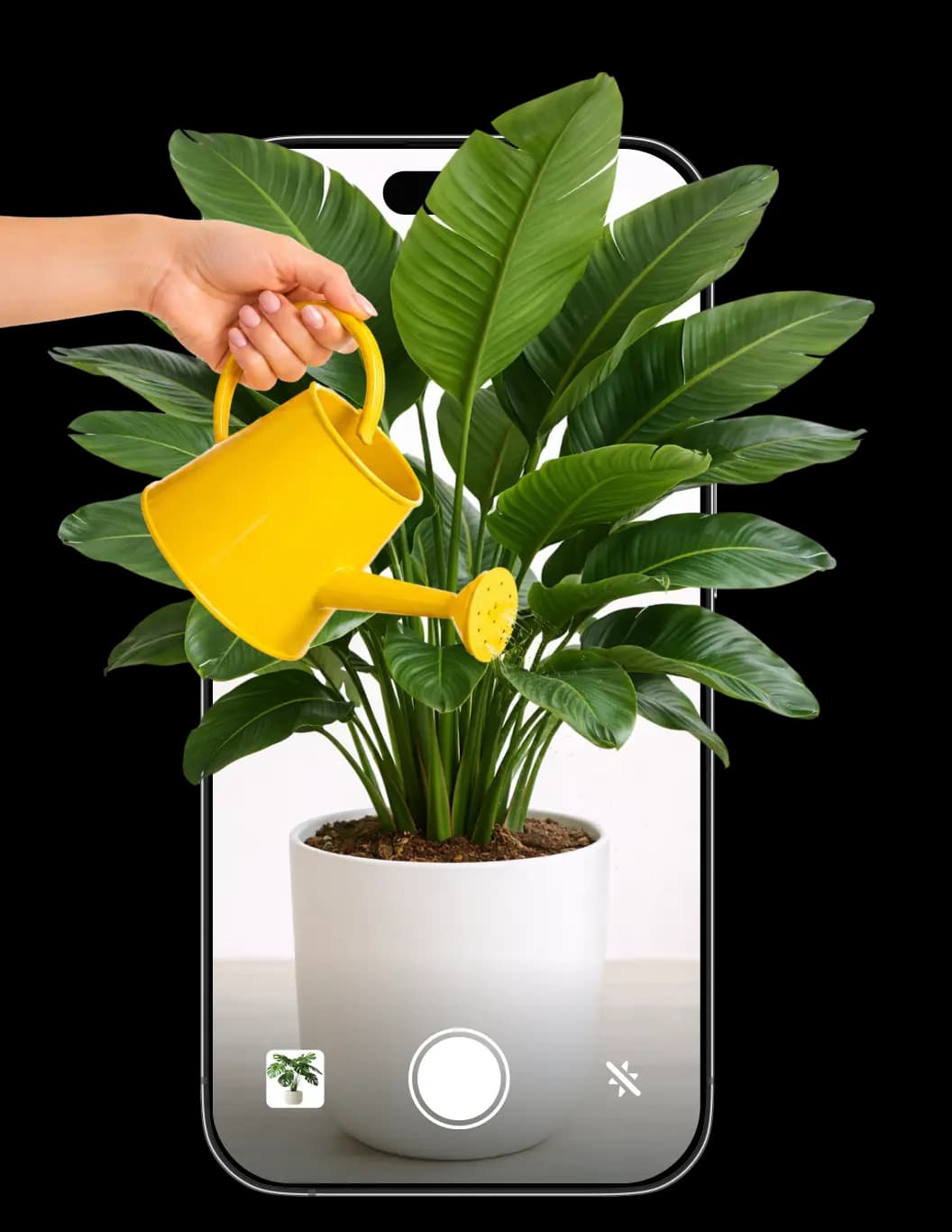
Not sure if your plant needs water? Check its watering needs inside the app.
Use the Botan app for a simple watering guide and care steps for Trachelospermum jasminoides, plus gentle photo-based checks that help spot early leaf, stem, or soil problems.
In gardens this species usually survives short droughts once established, because its roots can explore a wide soil volume and reduce leaf water loss, though it flowers better with consistent moisture.
Observational trials in Mediterranean-style gardens show that regular, moderate irrigation during late spring and summer supports heavier flowering compared with plants kept markedly dry.
Yellowing soon after watering usually means the roots stay too wet. Check for compacted or poorly draining soil, a pot without drainage, or watering too often. Let the top layer dry and adjust how often to water.
Botan reviews your watering habits to keep moisture levels within a healthy range.
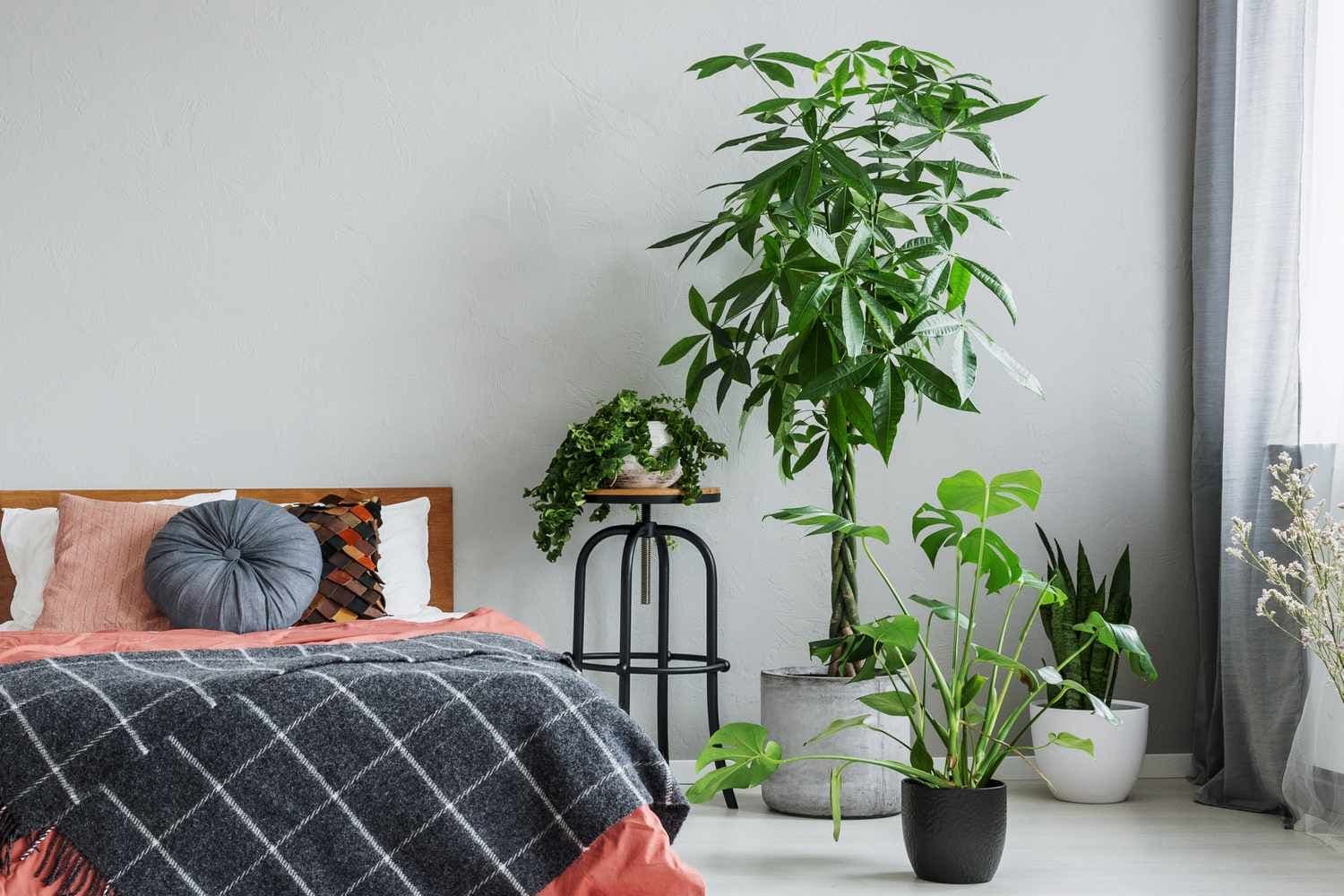
8 min read · 8 Jul 2026
Discover the top 10 houseplants that are suitable for growing in your bedroom. Compare their light and water needs, pet safety, and benefits. Find out where best to place greenery in your relaxation space and what species to avoid.
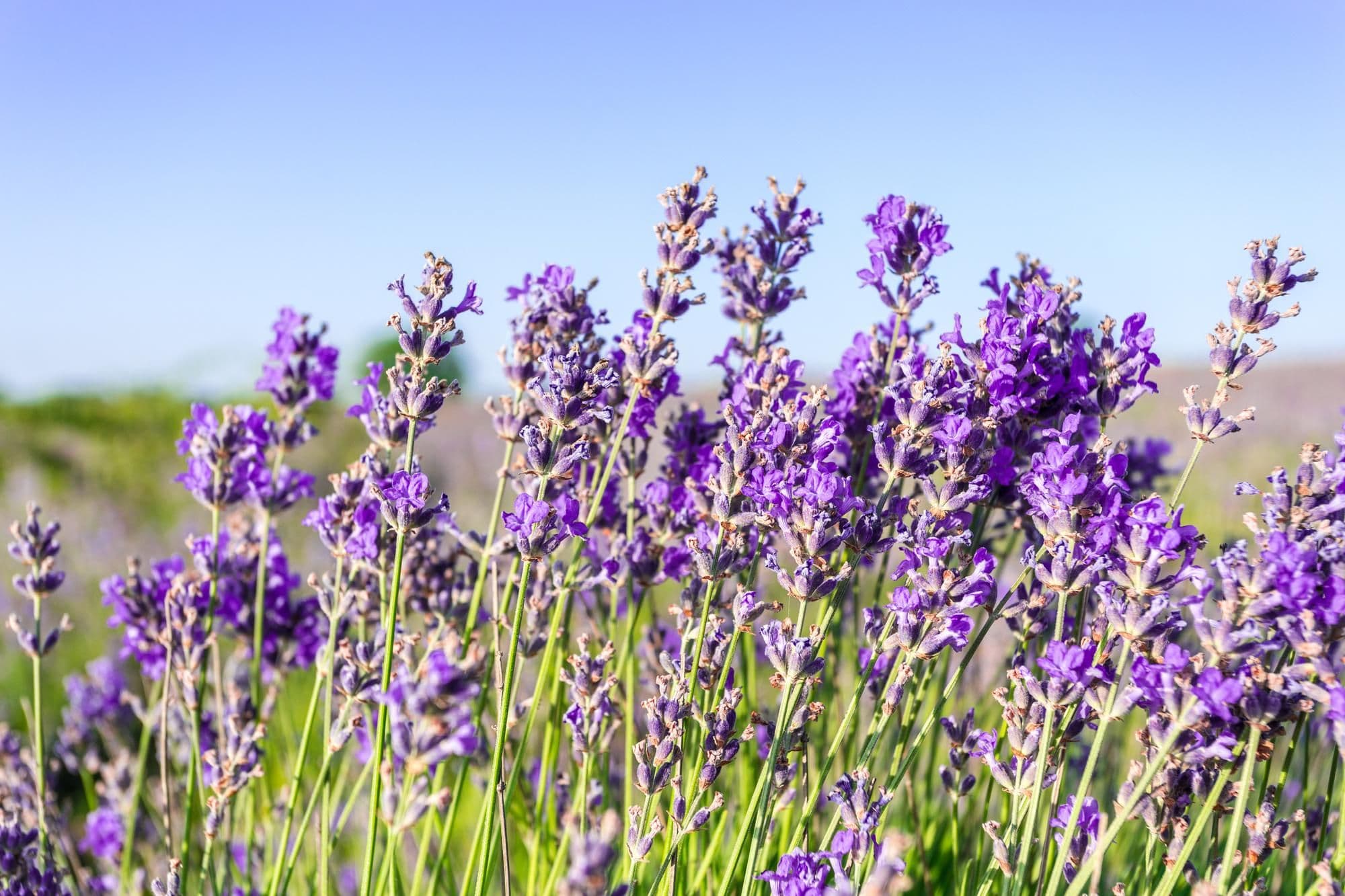
8 min read · 24 Jul 2026
Spiders constantly appear in places you don't want them. A few common plants can help repel them using scent alone. Here are 12 options suitable for both indoors and outdoors, plus care tips for each.
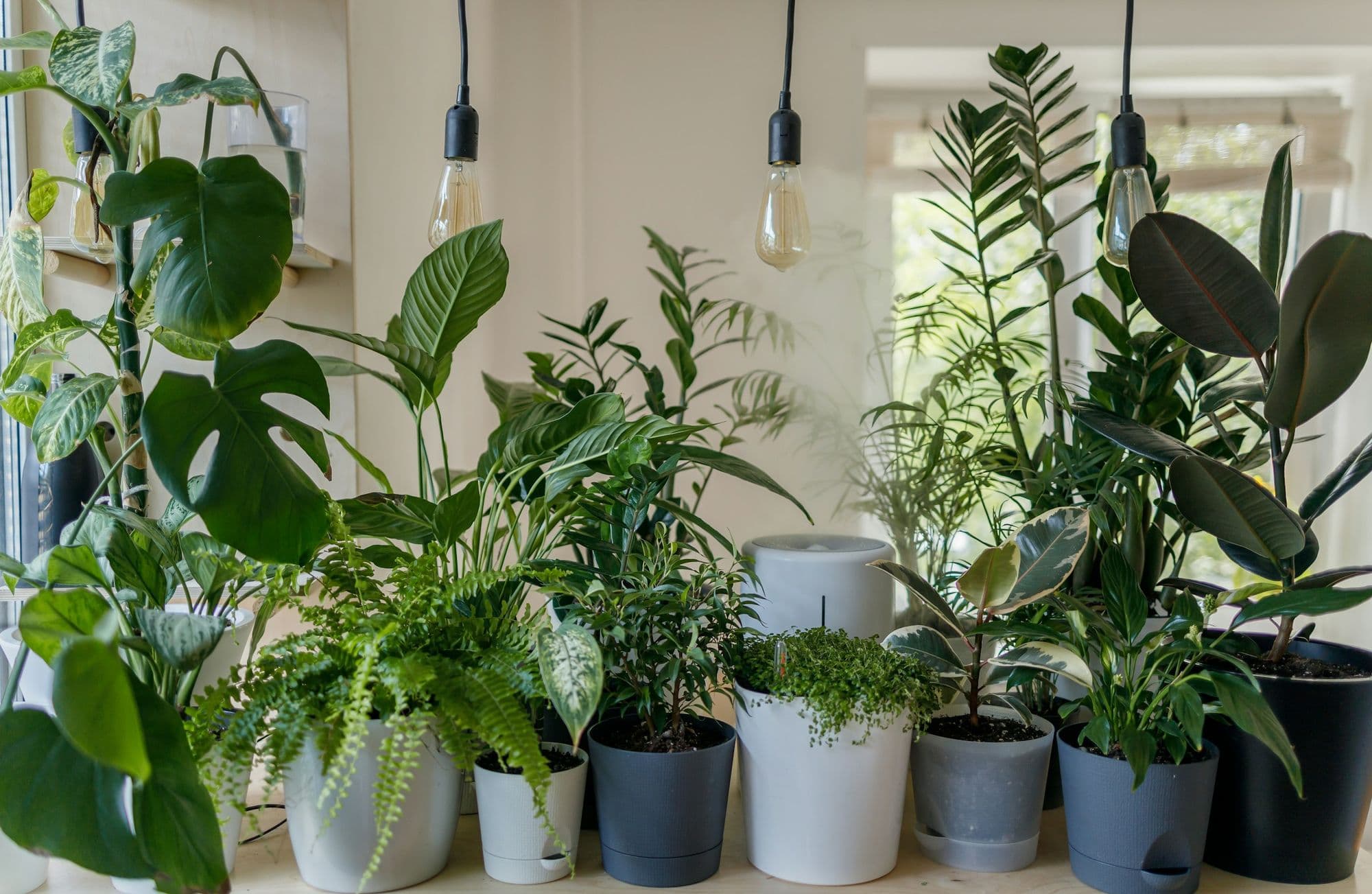
8 min read · 17 Sept 2026
Some plants thrive in dim rooms, shaded corners, and places with indirect light. In this guide, you’ll explore the top 15 species best suited to low-light conditions and how to care for them.