Fuzzy Leaf Sunshield
The dense hairs on the leaves reduce water loss by shading the surface and trapping a thin layer of still air, an adaptation linked to its exposed, dry habitats in Madagascar.

This page explains when, how often, and how much to water Kalanchoe tomentosa in straightforward, practical terms.

Water Requirements
Low Water
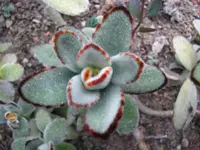
In its native dry habitats of Madagascar, this succulent experiences brief rainfall and long periods of light soil dryness. Kalanchoe tomentosa prefers soil that dries between waterings rather than staying consistently moist, especially indoors.
A simple, conservative watering routine keeps watering Panda Plant manageable and low stress. Indoor plants usually need less frequent attention than outdoor plants in brighter, warmer spots, but the overall approach remains similar.
Let the soil dry out almost completely before watering again; the top 1–2 inches (3–5 cm) should feel dry. In typical indoor conditions, Kalanchoe tomentosa usually needs water about every 2–4 weeks, with brighter light or warmer temperatures shortening this interval and lower light slightly extending it.
Water Panda Plant when the top 1-2 inches (3-5 cm) of soil feel completely dry, using a slow, controlled soak.
Incorrect moisture levels can stress Kalanchoe tomentosa and slowly weaken growth over time.
Leaves curl inward and feel limp after long dry periods, indicating extended underwatering and depleted internal reserves.
Lower leaves collapse near the stem when soil stays wet, signaling early stem and root decay.
Roots appear dark and brittle from chronic saturation, creating poor uptake and declining top growth.
Green film or fuzzy growth on mix surface shows excess moisture and insufficient airflow around roots.
White crust on potting mix forms when frequent light watering leaves minerals concentrated near roots.
Let the mix dry most of the way between thorough waterings, avoiding both prolonged drought and saturation.
Unsuitable watering habits can stress Kalanchoe tomentosa, weakening growth and making panda plant more vulnerable to pests and sudden temperature changes.
Focus on fast drainage, thorough but infrequent watering, and drying time guided by the soil, container, and indoor conditions.
Is It Time to Water?
See whether your plant is ready for watering or needs more time to dry.
Use Botan to set a simple watering guide and step‑by‑step care procedures for Panda Plant, while its photo-based checkups help notice leaf or stem issues early.
The dense hairs on the leaves reduce water loss by shading the surface and trapping a thin layer of still air, an adaptation linked to its exposed, dry habitats in Madagascar.
Besides its leaves, this species stores water in its thick, woody stems, allowing it to survive extended dry spells with little or no supplemental watering.
In its native Madagascar range, it experiences relatively low and irregular rainfall, so its roots are adapted to quick drainage and short wet periods rather than prolonged soil moisture.
Persistent moisture limits oxygen around the roots, leading to rot and poor water uptake. Let the mix dry thoroughly, improve drainage, and check roots for brown, mushy areas that may need trimming and repotting.
Use Botan to review watering patterns and keep moisture timing on track.
8 min read · 17 Sept 2026
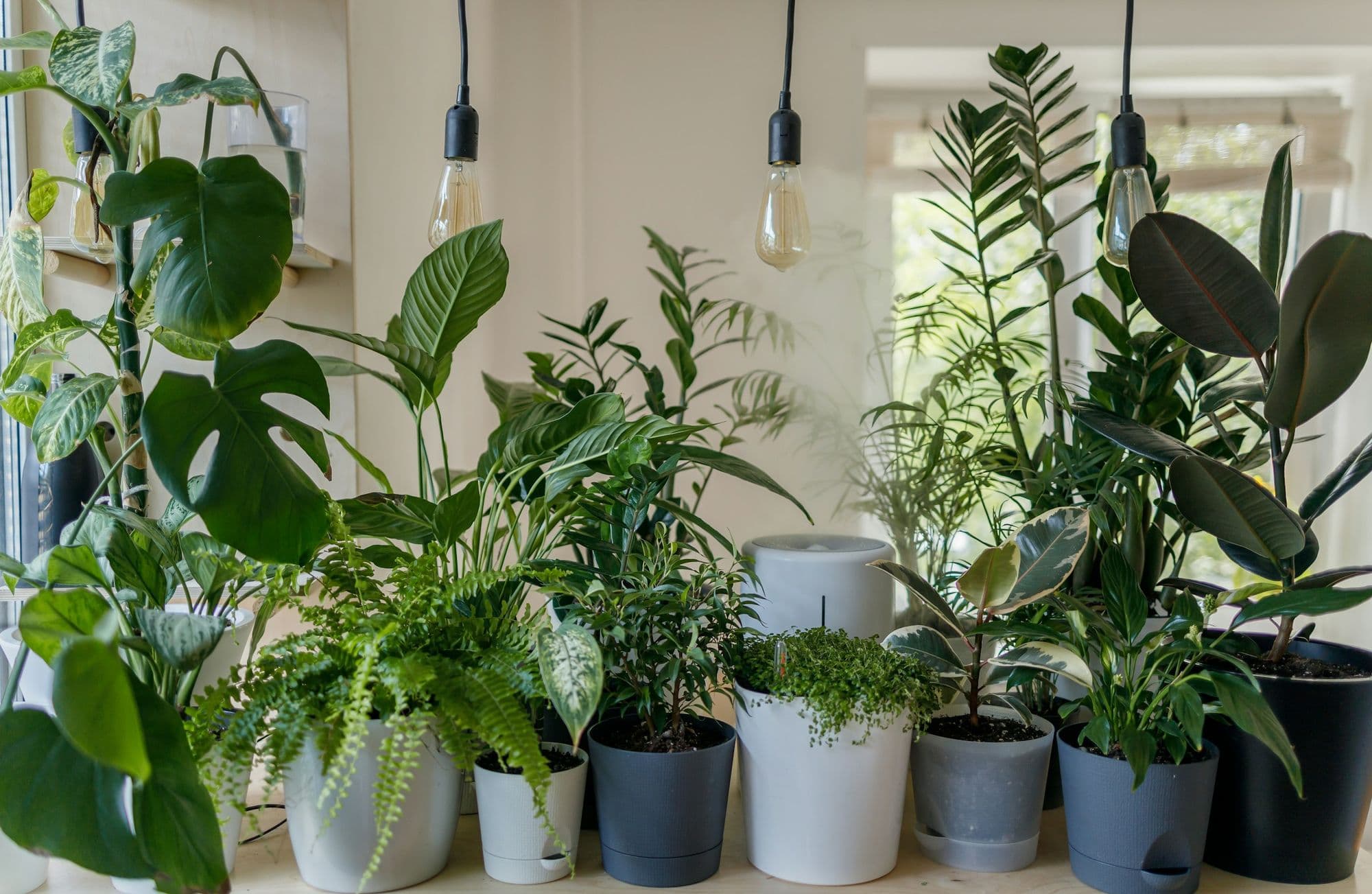
Some plants thrive in dim rooms, shaded corners, and places with indirect light. In this guide, you’ll explore the top 15 species best suited to low-light conditions and how to care for them.
6 min read · 19 Aug 2026
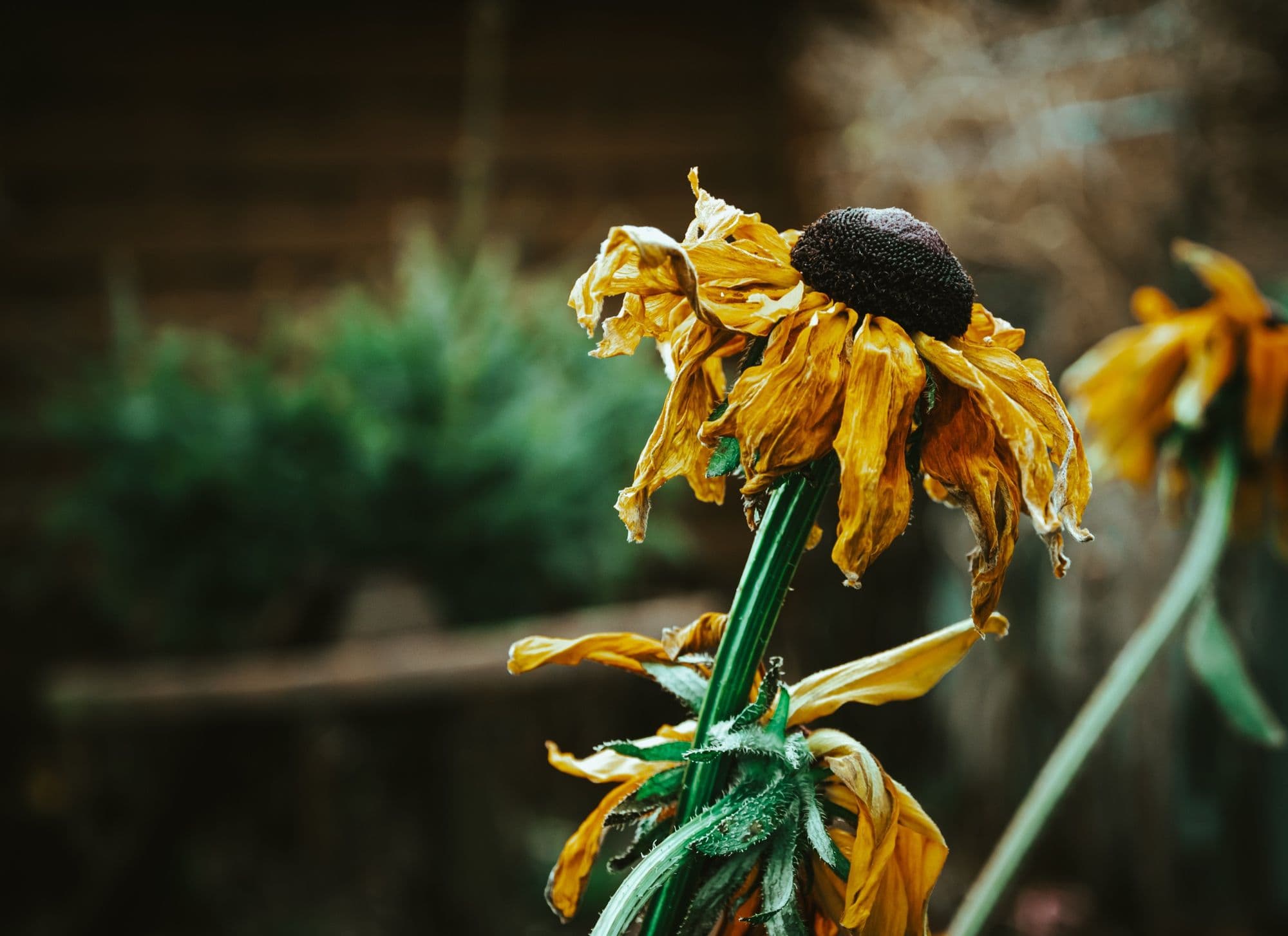
A plant can lose its leaves, stop growing, or collapse and still remain alive. A closer look at the stems, roots, bulbs, and tubers can show whether the plant still has a chance to recover.
6 min read · 4 Aug 2026
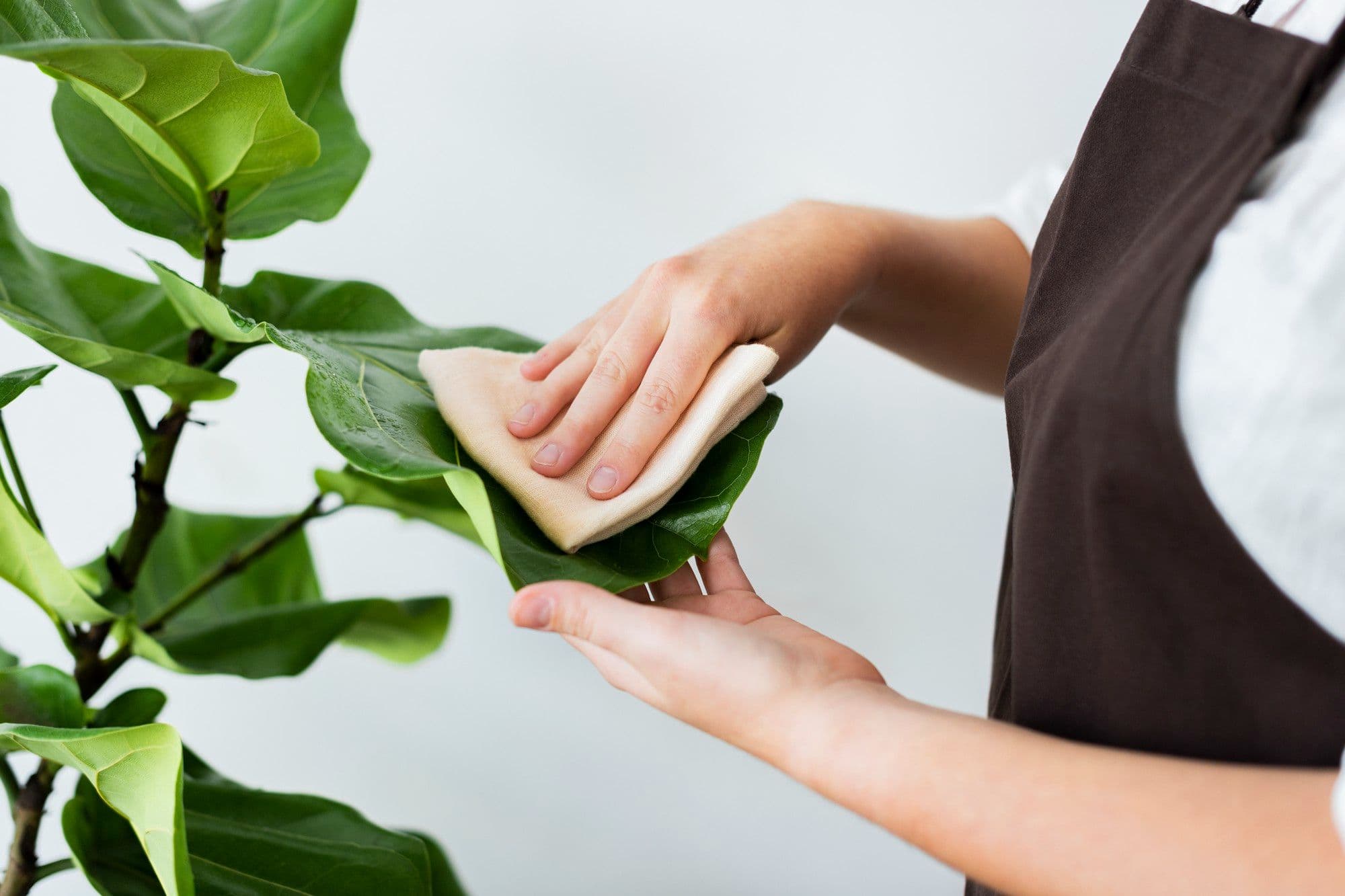
Dusty leaves look dull and don't absorb light well. Below, you'll find simple ways to clean them, which tools are truly effective, how often you should do it, and what causes damage.