
Flaming Katy (Kalanchoe blossfeldiana) Watering Guide

This page explains when, how often, and how much to water Kalanchoe blossfeldiana in typical home conditions.

Water Requirements

Low Water

Kalanchoe blossfeldiana Watering

This succulent prefers soil that dries between waterings, reflecting its naturally dry, irregular-rainfall habitat. Kalanchoe blossfeldiana is usually grown indoors, so watering Flaming Katy focuses on controlling moisture rather than weather. Indoor plants need slightly more monitoring than outdoor ones, which experience natural drying from sun and wind.

Think of its watering needs as light but regular attention, keeping the root zone dry more often than evenly damp, before learning detailed care.

In bright indoor light, this succulent is typically watered about every 10–14 days, but timing should follow soil dryness, not the calendar. Wait until the top 1–2 inches (3–5 cm) feel completely dry. In lower light or cooler rooms, the interval usually stretches longer, especially in winter.

Water Flaming Katy when the top 1-2 inches (3-5 cm) of soil feel dry, using a slow, thorough approach.

  • Pour room-temperature water slowly over the soil surface, keeping leaves and the central crown as dry as possible.
  • Water around the entire pot rim to moisten the full root zone instead of concentrating flow in a single spot.
  • Continue adding water until a steady trickle exits the drainage holes, indicating the soil column is evenly hydrated.
  • Discard any water collected in the saucer after a few minutes so the pot does not sit in standing moisture.

Incorrect moisture levels may stress Kalanchoe blossfeldiana and trigger several avoidable growth and health problems.

Yellowing Lower Leaves:

Older leaves turn soft and yellow from consistently wet soil, calling for reduced frequency and better drainage.

Mushy Stems Or Base:

Stem tissue near the soil line collapses due to prolonged saturation, often indicating developing root rot.

Shriveled Leaves And Stems:

Foliage and stems wrinkle and feel thin when underwatered, requiring a deeper soak and monitored drying.

Buds Drying And Dropping:

Flower buds brown and fall when roots swing between drought and excess, disrupting consistent soil moisture.

Crusty White Soil Surface:

A white crust from mineral buildup restricts water movement, suggesting flushing with distilled or rainwater.

Let soil dry between thorough waterings, keeping roots moist but never soggy for sustained vigor.

Unsuitable watering habits can stress Kalanchoe blossfeldiana, making Flaming Katy less resilient, shorter-lived, and more prone to pests or diseases.

  • Following a fixed schedule: Watering on a calendar instead of checking soil dryness often keeps it too wet; test the top layer and adjust timing.
  • Using dense, water-holding soil: Planting in regular potting soil that stays soggy deprives roots of air; switch to a gritty cactus or succulent mix.
  • Leaving water in the saucer: Letting the pot sit in runoff keeps roots saturated; empty the saucer a few minutes after each watering.

Safer watering relies on well-draining soil, containers that release excess moisture, and timing based on actual soil dryness, not routine.

  • Spring: As growth and flower buds develop, water slightly more often, letting the top half of the potting mix dry between waterings.
  • Summer: In bright, warm conditions, check soil more frequently and water when dry, but avoid soaking if heat noticeably slows growth indoors.
  • Fall: Gradually extend the dry period between waterings to help initiate flowering, especially when days shorten and indoor light levels drop.
  • Winter: During cooler, slower growth, water sparingly and only after the mix has dried deeply, reducing frequency in low-light rooms.

Your Flaming Katy Care Companion

Use Botan for a simple watering guide and practical care steps tailored to your plant, plus gentle photo-based checks that help spot early issues on Flaming Katy or Kalanchoe blossfeldiana.

Botan plant care app — identify plants on mobile

Interesting Watering Facts

Shallow, efficient roots

Studies on Kalanchoe blossfeldiana show it uses a shallow, fine root system that rapidly takes up brief surface moisture, matching the short, light rains of its native rocky habitats and explaining its sensitivity to waterlogged deep pots.


CAM drought metabolism

Kalanchoe blossfeldiana uses crassulacean acid metabolism (CAM), opening stomata mostly at night to reduce water loss, which lets it tolerate dry indoor air and slightly extended periods between waterings compared with many other flowering houseplants.

Flowering and water balance

Research on flowering performance shows that Kalanchoe blossfeldiana forms more compact, floriferous plants when kept on the drier side, with moderate water stress helping maintain tighter growth and sturdier, less elongated flowering stems.

FAQ

Water thoroughly until a small amount drains from the pot, then discard excess from the saucer. This helps wet the whole root ball while avoiding constant saturation, which can lead to root rot in this succulent species.

More Plant Watering Guides

Is Your Watering Routine Hurting Your Flaming Katy?

Botan reviews your watering pattern and suggests balanced adjustments when needed.

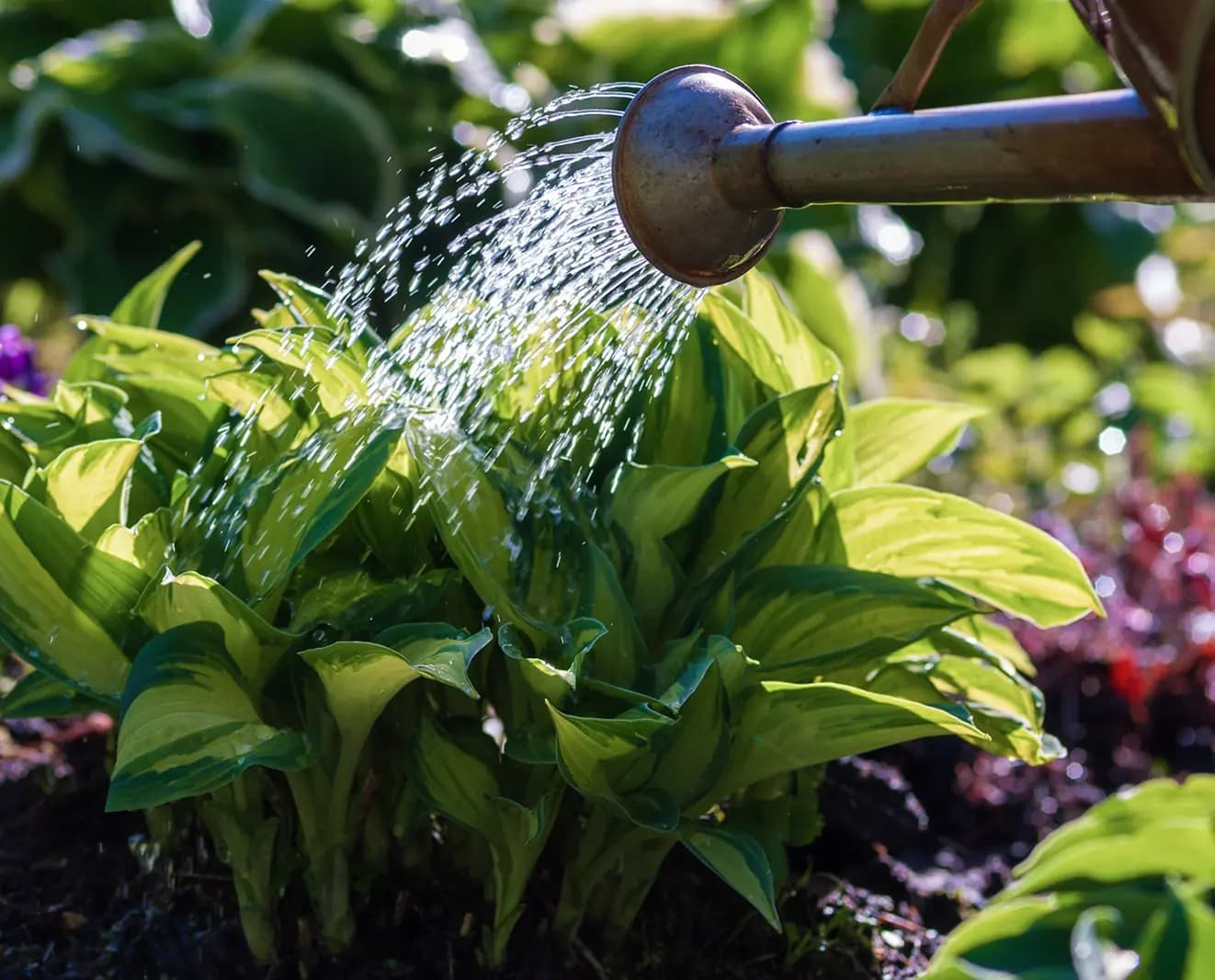
Watering a plant with a copper watering can
Best Plant Identification Apps – Accuracy, Features, and Price

11 min read · 27 Jul 2026

Best Plant Identification Apps – Accuracy, Features, and Price

We’ve tested, analyzed, and reviewed 8 top tools to find the best plant identification app. Find out which recognized common and rare plants are on the 1st attempt. Learn each app’s key features, pros, and cons — and make a fully informed choice.

Plant Recommendations
Best Plant Identification Apps – Accuracy, Features, and Price
How to Mist Plants – Proper Technique and Common Mistakes

7 min read · 30 Jul 2026

How to Mist Plants – Proper Technique and Common Mistakes

Find out when misting works well and when to avoid it. Here, you’ll find detailed information about compatible and incompatible species, tips on how often to mist plants and do it correctly, and some great alternatives for raising humidity.

Beginner Guides
How to Mist Plants – Proper Technique and Common Mistakes
13 Best Front Yard Trees for Every Home and Yard

12 min read · 7 Aug 2026

13 Best Front Yard Trees for Every Home and Yard

A front yard tree can stay for decades. Therefore, choosing one deserves serious consideration. Here are 13 trees that have proven themselves, sorted by their purpose. You'll also find five species to avoid and basic planting information.

Plant Recommendations
13 Best Front Yard Trees for Every Home and Yard