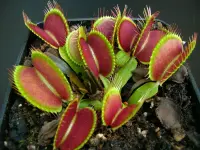

Venus flytrap (Dionaea muscipula) Watering Guide

This page explains when, how often, and how much to water Dionaea muscipula in straightforward, practical terms.

Water Requirements

Keep Soil Moist

Dionaea muscipula Watering

In its boggy native habitat, the Venus flytrap grows in wet, nutrient-poor ground that rarely dries completely. Dionaea muscipula prefers consistently moist, not waterlogged, conditions that mimic this steady natural dampness.

As a foundation, think of watering Venus flytrap as maintaining gentle, ongoing moisture rather than alternating wet and dry cycles. Indoor and outdoor plants share this need, though outdoor specimens usually experience slightly more natural humidity and rainfall support.

Keep the soil evenly moist, never dry, letting only the very top surface start to lose its gloss before watering again. In typical indoor conditions, this usually means watering about every 2–4 days. Hot, sunny outdoor positions or small pots often shorten this interval noticeably.

Water Venus flytrap when the top surface feels just moist, keeping the soil consistently damp using low-mineral water.

  • Set the pot in a shallow tray with 0.5–1 inch (1–3 cm) of distilled or rainwater to soak from below.
  • Let the tray water absorb fully, then allow the remaining water to drain so the pot is not standing in deep water.
  • Pour additional water slowly around the soil surface only when needed, avoiding the trap openings and central crown.
  • Use a pot with generous drainage holes so water moves through the entire root zone and does not accumulate at the bottom.

Incorrect moisture levels can stress Dionaea muscipula and trigger several avoidable growth problems.

Blackened Traps:

Trap lobes darken and die back from chronic wetness, mineral buildup, or stagnant water exposure.

Mushy Rhizome:

Underground stem softens and smells foul when soil stays waterlogged without enough air movement.

Crisp Brown Leaf Edges:

Outer leaf margins dry, curl, and brown from underwatering, low humidity, or excessive heat.

Shriveled, Drooping Foliage:

Leaves wilt and lose firmness when roots cannot access consistent moisture in the growing medium.

Keep the soil evenly moist with pure, low-mineral water and avoid both drought and waterlogging.

Unsuitable watering habits quickly damage Dionaea muscipula, because its roots evolved for nutrient-poor, constantly moist but highly oxygenated bog conditions.

  • Rigid watering schedule: Watering by calendar, not substrate moisture, keeps soil too wet or dry; instead, check the potting mix before adding water.
  • Wrong potting mix: Using regular potting soil holds minerals and fertilizers that burn roots; choose nutrient-free sphagnum peat or long-fiber sphagnum with sand or perlite.
  • Leaving runoff in saucer: Letting the pot sit in deep, stagnant runoff suffocates roots; use a shallow tray and allow brief drying near the bottom.

Safer watering keeps the medium evenly moist with pure low-mineral water while preserving air pockets around delicate, shallow roots.

  • Spring: New growth resumes; keep the medium evenly damp, slightly wetter than in winter, and flush pots occasionally to prevent mineral buildup.
  • Summer: In full sun and heat, maintain consistently moist soil, increasing checks during hot, windy periods or when trays dry very quickly.
  • Fall: As growth slows and days shorten, let the medium stay just moist, reducing tray depth and emptying standing water more often.
  • Winter: During cool dormancy, keep soil lightly moist, not wet; avoid deep trays and never allow the rhizome to freeze in waterlogged mix.

Your Venus flytrap Care Companion

Use Botan for a clear watering guide and step‑by‑step care procedures for your Venus flytrap, plus gentle issue-spotting support through photo-based checkups when something seems off.

Botan plant care app — identify plants on mobile

Interesting Watering Facts

Extremely low mineral needs

In its native North and South Carolina bogs, Dionaea muscipula grows in rain-fed, nutrient-poor water. It is adapted to very low dissolved minerals, which is why tap water with salts or chlorine can damage roots and slowly weaken the plant.


Seasonal water level shifts

Wild Venus flytraps experience fluctuating water tables, from shallow standing water in winter–spring to moist but not flooded soil in summer. This pattern supports healthy roots and dormancy, and indoor care benefits from similarly moist, not constantly submerged, conditions.

Rain-triggered feeding advantage

After heavy rain in its coastal plain habitat, insects become more active around the wet, open bog surface. The Venus flytrap’s traps are raised just above the saturated soil, positioning them where water-driven insect movement is greatest and improving prey capture in these wet periods.

FAQ

Use rainwater, distilled, or reverse-osmosis water with very low minerals. Tap or softened water often contains salts that slowly damage roots and traps, a common long-term issue in Dionaea muscipula watering.

Everything About Venus flytrap

More Plant Watering Guides

Is Your Watering Routine Hurting Your Venus flytrap?

Use Botan to review watering patterns and adjust them with simple, guided checks.

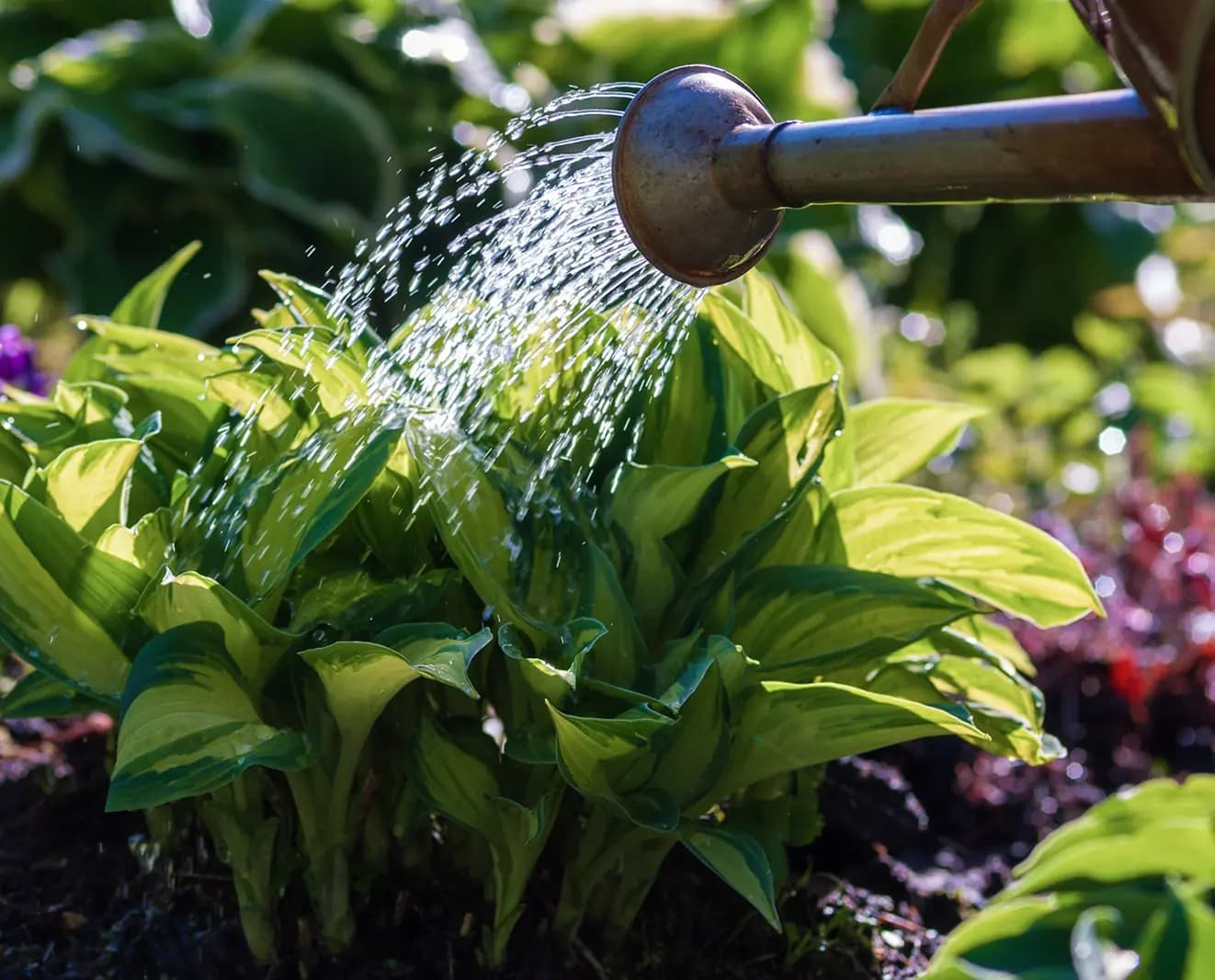
Watering a plant with a copper watering can
13 Best Front Yard Trees for Every Home and Yard

12 min read · 7 Aug 2026

13 Best Front Yard Trees for Every Home and Yard

A front yard tree can stay for decades. Therefore, choosing one deserves serious consideration. Here are 13 trees that have proven themselves, sorted by their purpose. You'll also find five species to avoid and basic planting information.

Plant Recommendations
13 Best Front Yard Trees for Every Home and Yard
Is Sugar Water Good for Plants?

4 min read · 14 Sept 2026

Is Sugar Water Good for Plants?

Sugar water may sound like an easy boost, but most rooted plants do not need extra sucrose. This guide explains how green tissues produce carbohydrates, when a sweetened solution can be useful, and why too much can cause problems.

Plant Care
Is Sugar Water Good for Plants?
How to Increase Humidity for Plants – 8 Simple Ways That Work

8 min read · 14 Aug 2026

How to Increase Humidity for Plants – 8 Simple Ways That Work

Dry indoor air stresses a lot of houseplants. You usually notice it first in the browning leaf tips. This guide describes 8 simple ways to raise the moisture around your plants, from humidifiers to pebble trays.

Plant Care
How to Increase Humidity for Plants – 8 Simple Ways That Work