
Sensitive Plant (Mimosa pudica) Watering Guide

This page explains when, how often, and how much to water Mimosa pudica for basic everyday care.

Water Requirements

Keep Soil Moist

Mimosa pudica Watering

In its tropical native range, Mimosa pudica experiences warm conditions with intermittent rain and quick surface drying. Indoors, watering Sensitive Plant aims to mimic this pattern with light, regular moisture rather than prolonged saturation.

The soil should slightly dry near the surface between sessions while staying faintly moist deeper down. Outdoor plants in warm climates usually face faster drying than indoor plants, so their watering frequency often differs even under similar weather.

Let the top 1–2 inches (3–5 cm) of soil dry before watering again, as Mimosa pudica dislikes staying soggy but should not dry out completely. This typically means watering about every 3–7 days in warm, bright indoor conditions, with faster drying in strong light or outdoor heat.

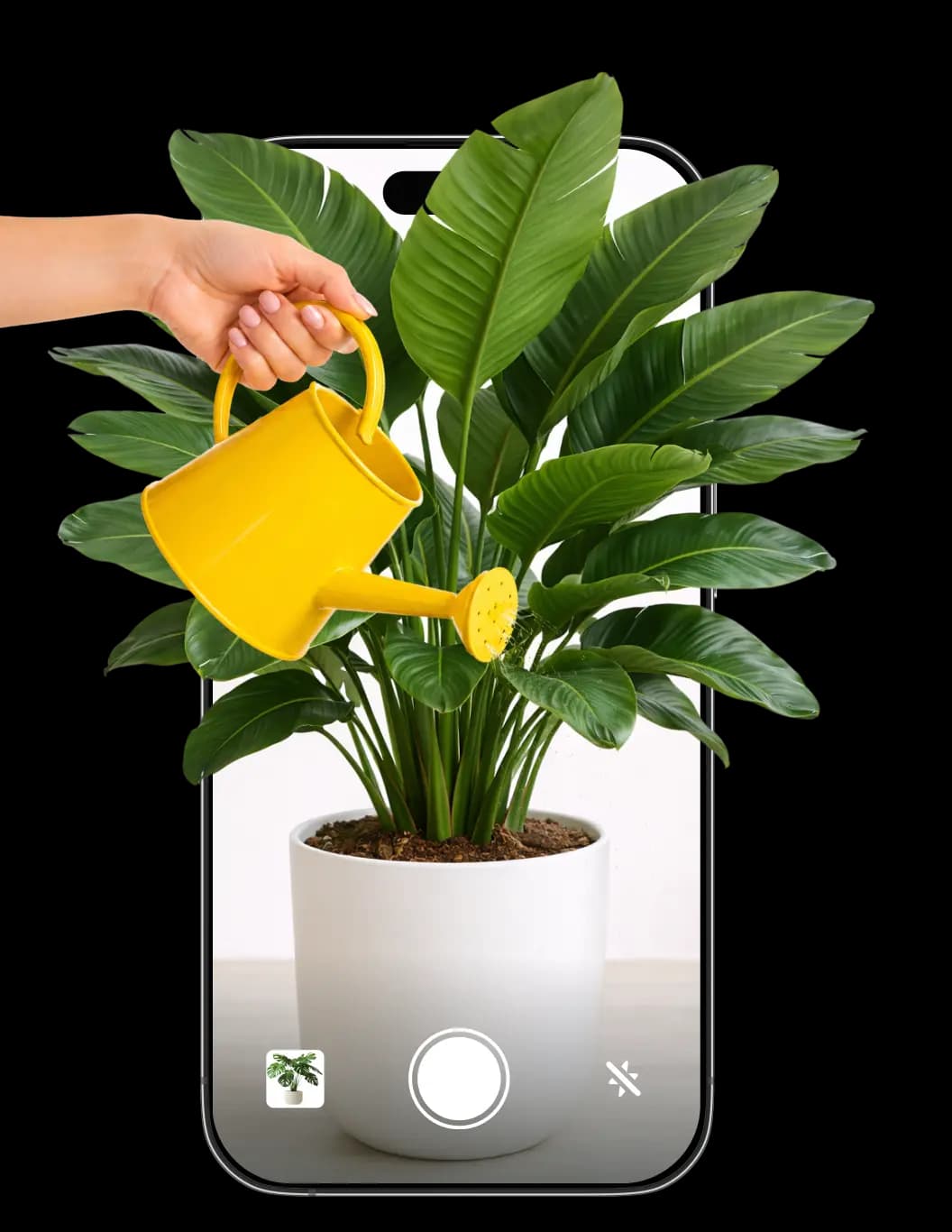
Water Sensitive Plant when the top 1–2 inches (3–5 cm) of soil feel dry and the pot feels lighter.

  • Pour room‑temperature water slowly over the soil surface, circling the pot to avoid disturbing the delicate stems and foliage.
  • Continue adding water until it drains freely from the bottom holes, fully soaking the root zone without flooding the saucer.
  • Let the pot drain for several minutes, then discard any water collected in the saucer or decorative cachepot.
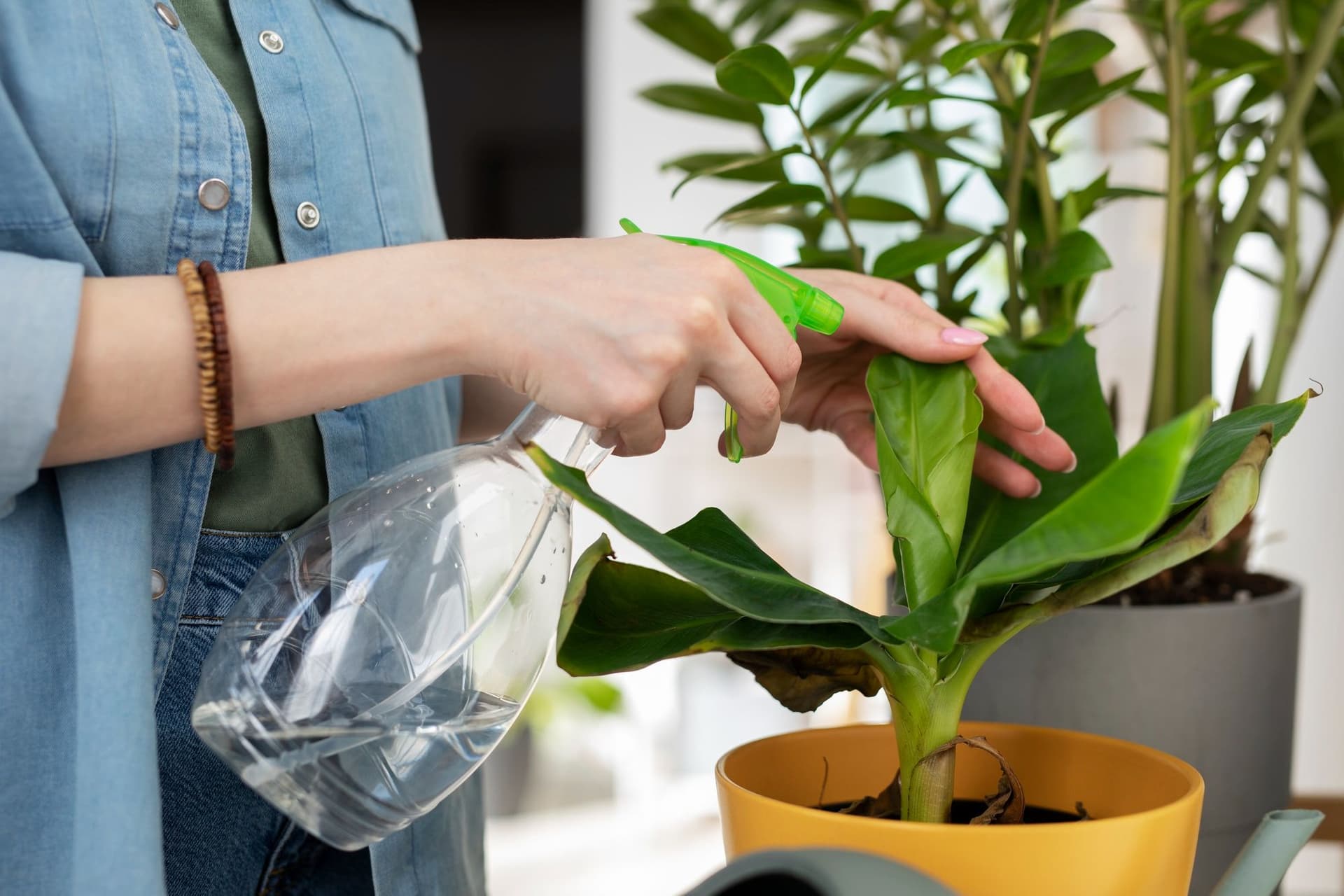
  • Keep water directed at the soil only, leaving leaves and stems dry to reduce unnecessary stress on the sensitive foliage.

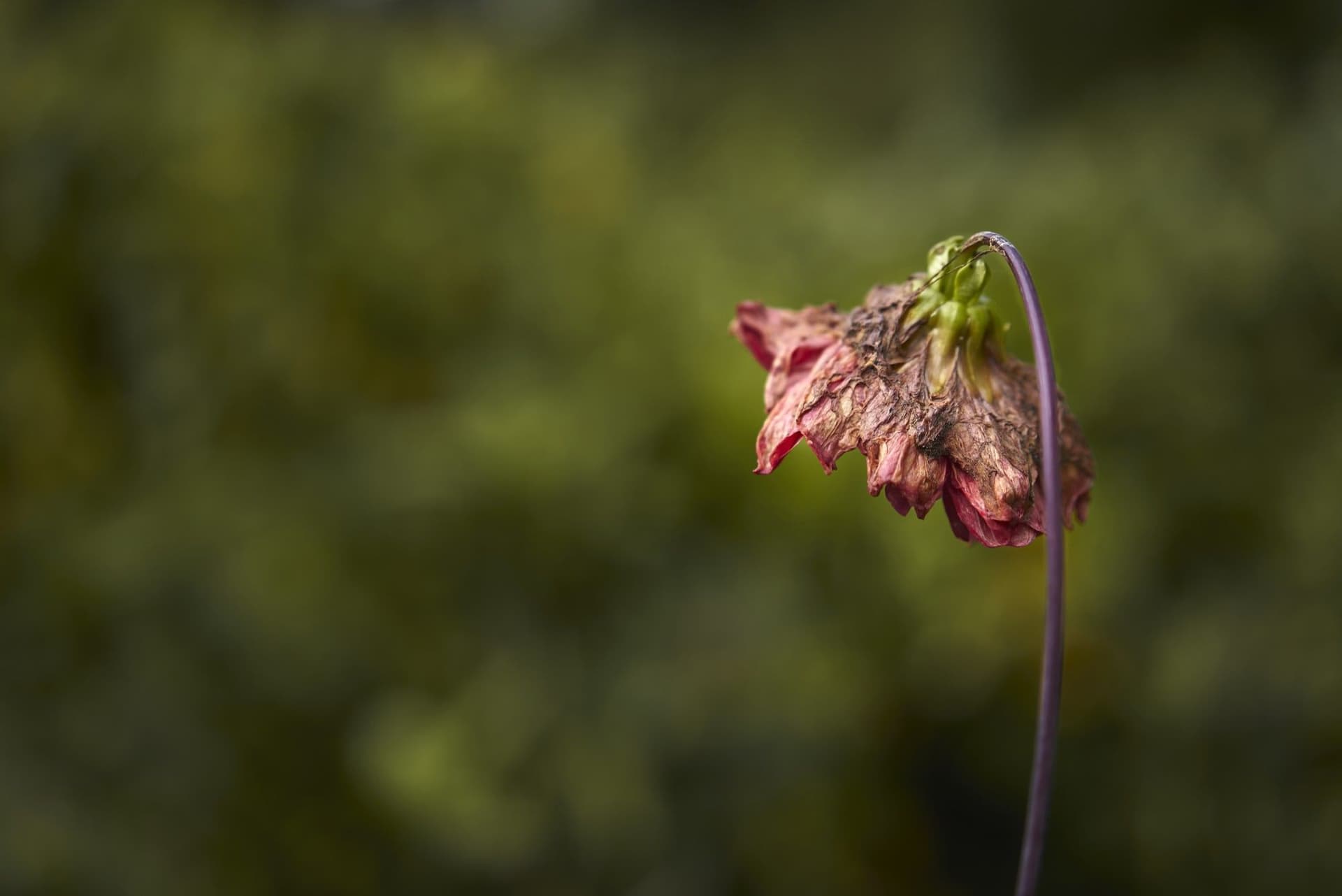
Incorrect moisture levels can disturb Mimosa pudica health and stress its sensitive foliage.

Drooping Leaflets:

Leaflets stay limp instead of briefly folding, often from underwatering or consistently dry potting mix.

Yellowing Lower Leaves:

Older leaves turn pale yellow and fall from prolonged soggy soil and poor drainage.

Brown, Crispy Edges:

Leaf margins dry, curl, and crisp from repeated moisture swings and insufficient deep watering.

Mushy Roots:

Roots feel soft and dark when checked, indicating chronic overwatering and waterlogged soil conditions.

Persistent Wet Soil Surface:

Top layer remains glossy and damp for days, signaling compacted mix or container drainage problems.

Keep soil lightly moist with brief drying at the surface, avoiding both parched and saturated conditions.

Unsuitable watering habits can stress Mimosa pudica, weakening Sensitive Plant’s rapid leaf response and making it more vulnerable to pests and disease.

  • Watering by calendar: Following a fixed schedule ignores changing light and temperature; instead, water when the top soil feels slightly dry, not by date.
  • Poor draining soil: Heavy, compact mixes stay wet too long; use a light potting mix with added perlite for quicker drainage between waterings.
  • Letting runoff sit: Leaving water in the saucer keeps roots constantly wet; empty saucers within a few minutes so excess moisture can escape.

Healthier Sensitive Plant watering relies on responsive habits that match soil dryness, pot drainage, and current growing conditions, not rigid rules.

  • Spring: As new leaves and stems form, keep the root zone evenly moist, reducing any winter dryness and monitoring for faster uptake.
  • Summer: In warm, bright conditions, water more frequently, preventing the soil from drying out fully but avoiding a constantly soggy potting mix.
  • Fall: As growth slows and days shorten, extend the interval between waterings and let the upper soil dry slightly deeper before watering.
  • Winter: With cooler temperatures or reduced light, especially indoors, use lighter, less frequent watering while keeping the plant just short of complete dryness.

Not Sure When to Water? Botan Knows

Use Botan for a simple watering guide and care reminders for Mimosa pudica, plus gentle photo-based issue detection to understand leaf changes, stress signs, and other common plant problems.

Botan plant care app — identify plants on mobile

Interesting Watering Facts

Moisture‑sensitive leaf folding

In Mimosa pudica, leaf folding is not only a touch response; prolonged drought or waterlogging can also keep the leaflets closed, which reduces light capture and gas exchange and signals that soil moisture is outside this species’ preferred, evenly moist range.


Shallow, fibrous root system

Mimosa pudica has a relatively shallow, fibrous root system that allows rapid uptake of light rainfall in its native tropical habitats, but this also makes it more vulnerable to drying out quickly in pots if the upper soil layer is not checked frequently.

FAQ

Water when the top 0.5–1 inch (1–2 cm) of soil feels dry, rather than on a fixed schedule. Frequency varies with light, temperature, and pot size, so adjust how often to water based on drying speed.

Everything About Sensitive Plant

More Plant Watering Guides

Is Your Watering Routine Hurting Your Sensitive Plant?

Botan quickly checks if your plant’s watering amount and timing stay on track.

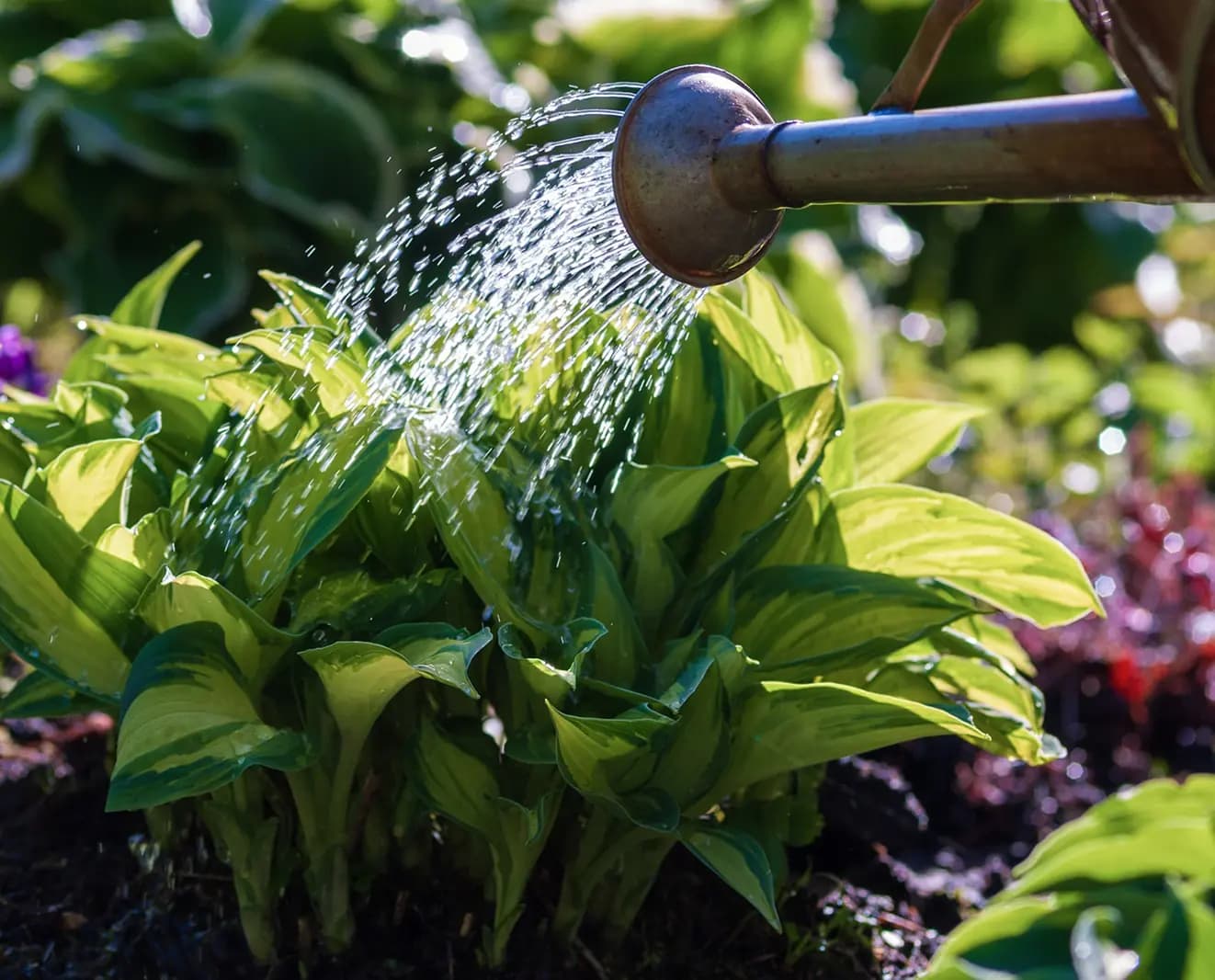
Watering a plant with a copper watering can
Best Bedroom Plants – Top 10 to Grow in Your Space

8 min read · 8 Jul 2026

Best Bedroom Plants – Top 10 to Grow in Your Space

Discover the top 10 houseplants that are suitable for growing in your bedroom. Compare their light and water needs, pet safety, and benefits. Find out where best to place greenery in your relaxation space and what species to avoid.

Plant Recommendations
Best Bedroom Plants – Top 10 to Grow in Your Space
How to Increase Humidity for Plants – 8 Simple Ways That Work

8 min read · 14 Aug 2026

How to Increase Humidity for Plants – 8 Simple Ways That Work

Dry indoor air stresses a lot of houseplants. You usually notice it first in the browning leaf tips. This guide describes 8 simple ways to raise the moisture around your plants, from humidifiers to pebble trays.

Plant Care
How to Increase Humidity for Plants – 8 Simple Ways That Work
How To Revive a Dying Plant: 6 Steps To Bring A Plant Back To Life

6 min read · 1 Sept 2026

How To Revive a Dying Plant: 6 Steps To Bring A Plant Back To Life

Drooping leaves and brown tips don't always mean the end, and a weakened plant can often recover with a little help. These six simple steps will help you revive a dying plant and restore its health.

Plant Care
How To Revive a Dying Plant: 6 Steps To Bring A Plant Back To Life