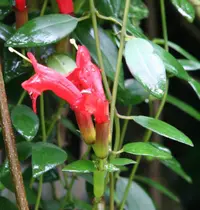
Soft-Trunk Water Storage
Unlike many yucca species with hard woody stems, Yucca gigantea develops a softer, thickened trunk that stores moisture, helping it survive long dry periods in its native Central American habitats.

This page explains when, how often, and how much to water Yucca gigantea for practical, consistent care.

Water Requirements
Low Water
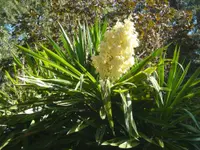
Native to semi-arid regions, this plant experiences dry soil with only occasional rainfall, so it tolerates drought well. Yucca gigantea prefers soil that dries between waterings rather than staying consistently moist, especially indoors.
In containers, watering Spineless yucca usually means allowing more frequent monitoring than established plants in the ground. This section introduces how to water Spineless yucca in simple terms before moving into more specific guidance.
Water when the top 1–2 inches (3–5 cm) of soil feel completely dry. Indoors, this typically means about every 2–3 weeks, but use dryness as the main guide. In brighter light or outdoor summer heat, the soil dries faster and the interval usually shortens.
Water Spineless yucca when the top half of the potting mix feels dry, using a slow, controlled soak-and-drain approach.
Incorrect moisture levels often disrupt Yucca gigantea health, stressing roots and aboveground growth.
Older leaves gradually turn pale yellow and limp from prolonged soil saturation and stressed roots.
Trunk feels spongy and may lean due to chronic overwatering and developing stem rot.
Foliage appears shriveled and edges curl inward when roots experience extended drought and dehydration.
White crust forms on potting mix from infrequent deep watering and accumulated fertilizer salts.
Maintain lightly moist, fast-draining soil and let the top layer dry before watering again.
Inconsistent or unsuitable watering habits can stress Spineless yucca, weakening its drought tolerance and long-term health indoors or outdoors.
Base watering on soil dryness, container drainage, and light conditions so Yucca gigantea receives deep but infrequent moisture that mimics arid habitats.
Watering Check
Not sure if your plant needs water? Check its watering needs inside the app.
Use Botan for a simple watering guide and care reminders tailored to Yucca gigantea, plus gentle photo-based checkups that help spot early issues before they spread.
Unlike many yucca species with hard woody stems, Yucca gigantea develops a softer, thickened trunk that stores moisture, helping it survive long dry periods in its native Central American habitats.
In its native range, Yucca gigantea experiences distinct wet and dry seasons and continues growing through dry spells by relying on stored water and a deep root system rather than frequent rainfall.
Water only when the top 2–3 inches of soil are completely dry. In bright indoor light this often means every 10–21 days. In lower light, watering is less frequent. Adjust with seasons and temperature.
Botan quickly checks if your watering routine matches your plant’s needs.
11 min read · 29 Jul 2026
Learn which plants can be seriously damaged by Epsom salt and which will thrive on it. We’ll explain when and how to use it properly, provide tips for indoor & outdoor plants — read on and enjoy a healthy garden.
6 min read · 10 Jul 2026
Flowers can survive without water anywhere from 1-2 hours to several months, depending on the plant type, species, and growing conditions. Some strong-looking flowers are drought-sensitive, while delicate-looking plants may tolerate long dry periods surprisingly well.
8 min read · 24 Jul 2026
Spiders constantly appear in places you don't want them. A few common plants can help repel them using scent alone. Here are 12 options suitable for both indoors and outdoors, plus care tips for each.


-1-200x132.webp)