

Dumb Cane (Dieffenbachia 'Camouflage') Watering Guide

This page explains when, how often, and how much to water Dieffenbachia 'Camouflage' for steady indoor growth.

Water Requirements

Moderate Water

Dieffenbachia 'Camouflage' Watering

This foliage plant thrives in warm, humid forest conditions, where soil stays lightly moist but not soggy. Dieffenbachia 'Camouflage' prefers gentle, consistent moisture, with the top layer beginning to dry between waterings.

For indoor watering Dumb Cane, aim for steady, moderate moisture rather than wet or bone‑dry soil. Outdoor plants in shaded, protected spots usually need slightly more frequent attention than indoor container specimens.

For Dieffenbachia 'Camouflage', water once the top 1–2 inches (3–5 cm) of soil feel dry. This usually means watering about every 7–10 days in warm, bright indoor conditions. Lower light or cooler rooms extend the interval, while higher light and heat shorten it, especially in active growing seasons.

Water Dumb Cane when the top 1–2 inches (3–5 cm) of soil feel dry, using slow, thorough, room‑temperature watering.

  • Pour water evenly over the soil surface, avoiding the cane bases and leaves to keep the plant’s crown relatively dry.
  • Add water slowly until it flows from the drainage holes, fully soaking the root zone without flooding the saucer.
  • Empty any standing water from cachepot or saucer after a few minutes so the potting mix can re‑aerate between waterings.

Incorrect soil moisture often leads to health problems for Dieffenbachia 'Camouflage' indoors.

Yellowing Lower Leaves:

Oldest leaves gradually yellow from the base when soil stays wet and drainage is poor.

Brown Leaf Edges:

Crisp, brown margins develop when soil dries too deeply or air humidity stays low.

Mushy Stems At Base:

Soft, collapsing lower stems indicate chronic waterlogging and potential root rot in compacted mix.

Drooping, Curling Foliage:

Limp, slightly curled leaves signal extended dryness or underwatering after previously moist conditions.

Keep the root zone evenly moist, never saturated, with brief drying between thorough waterings.

Unsuitable watering habits can disrupt Dieffenbachia 'Camouflage' moisture balance, weakening growth and making this Dumb Cane more vulnerable to stress.

  • Strict calendar schedule: Watering on fixed dates ignores changing light, temperature, and pot size; instead, check that the top inch of soil feels dry first.
  • Heavy, compacted soil: Using dense potting mixes keeps roots wet too long; choose a peat- or coir-based mix with added perlite for faster drainage.
  • Water left in saucer: Letting runoff sit around the nursery pot re-soaks the root zone; empty the saucer a few minutes after watering.

Support this cultivar by matching water to soil dryness, pot conditions, and season rather than relying on rigid routines.

  • Spring: Growth typically picks up, so let the top inch of mix dry slightly faster, checking moisture a bit more often.
  • Summer: In bright, warm rooms, water more frequently but still allow partial drying; in strong air-conditioning, needs may stay closer to spring levels.
  • Fall: As days shorten and growth slows indoors, extend the time between waterings while keeping the root zone lightly, not fully, moist.
  • Winter: With cooler temperatures and low light, reduce watering; let more of the pot dry before rewatering, avoiding prolonged soggy soil.

Track Watering. Catch Problems Early

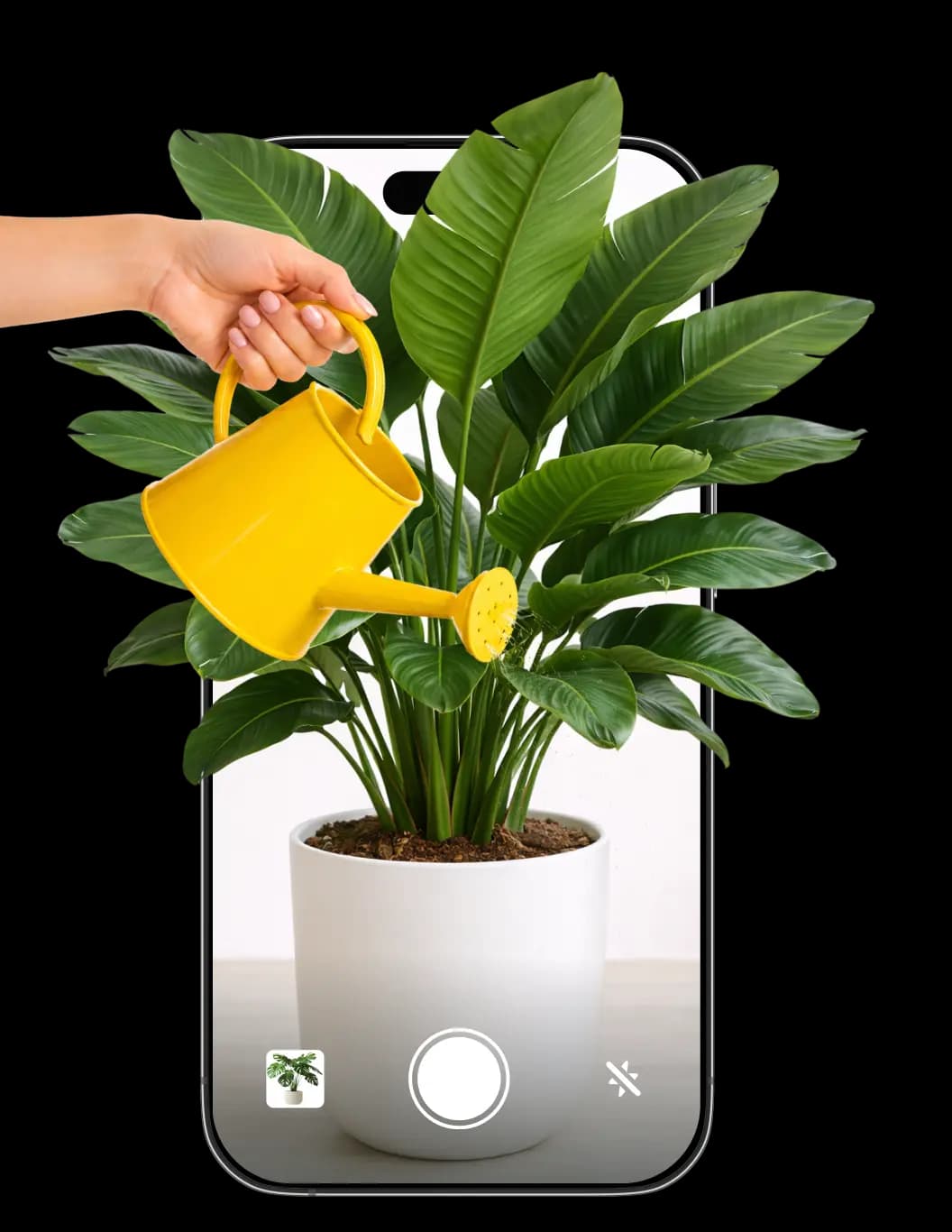
Use Botan for a simple watering guide and care routine for Dieffenbachia 'Camouflage'. Log watering, and let photo-based issue detection support earlier identification of stress or disease.

Botan plant care app — identify plants on mobile

FAQ

Yes. In low light, growth and water use slow, so let more of the top soil dry before watering again. Check with a finger 1–2 inches deep and water less often to prevent root rot.

More Plant Watering Guides

Is Your Watering Routine Hurting Your Dumb Cane?

Botan helps review your watering pattern so adjustments are easier to make.

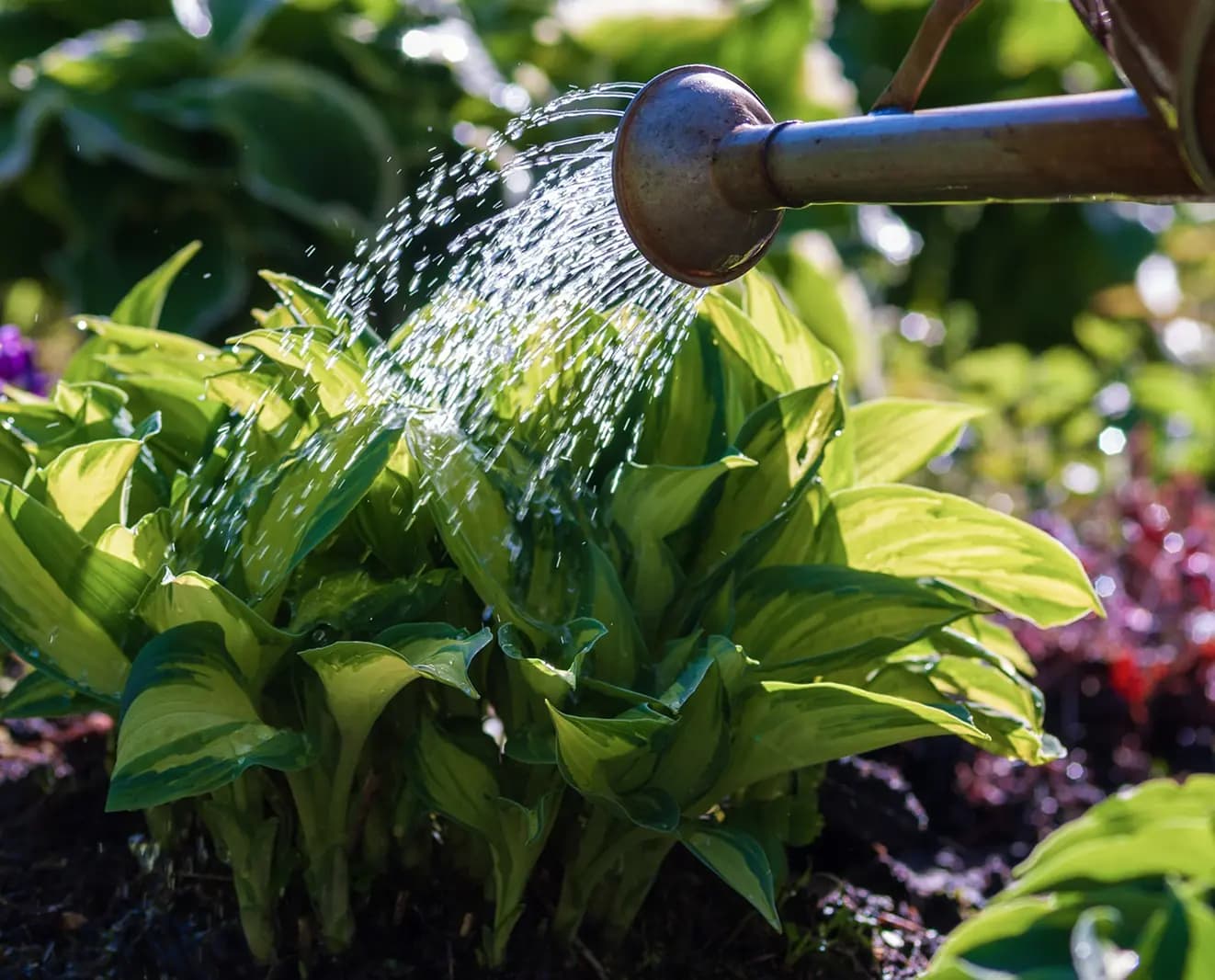
Watering a plant with a copper watering can
12 Best Cold-Hardy Vegetables for Cold Weather

7 min read · 13 Oct 2026

12 Best Cold-Hardy Vegetables for Cold Weather

Cold-hardy vegetables can keep a garden productive through chilly fall, winter, and early spring weather. This guide covers 12 reliable crops, their frost tolerance, and practical growing tips for better cold-season harvests.

Plant Recommendations
12 Best Cold-Hardy Vegetables for Cold Weather
12 Most Wanted Rare Houseplants to Grow at Home

6 min read · 21 Sept 2026

12 Most Wanted Rare Houseplants to Grow at Home

Rare houseplants can turn an ordinary corner in your apartment into a living botanical collection. This guide covers 12 most admired picks, what makes them special, and how to grow them successfully at home.

Plant Recommendations
12 Most Wanted Rare Houseplants to Grow at Home
Planting Grass Seed in Summer – What Works and What Fails

7 min read · 6 Aug 2026

Planting Grass Seed in Summer – What Works and What Fails

Summer seeding succeeds when the grass type suits the season, and the soil stays moist. Find out how to prepare the seedbed and choose a safe window for planting.

Plant Care
Planting Grass Seed in Summer – What Works and What Fails