Purple Passion Plant (Gynura aurantiaca) Watering Guide

This page explains when, how often, and how much to water Gynura aurantiaca in straightforward, practical terms.

Water Requirements

Moderate Water

Gynura aurantiaca Watering

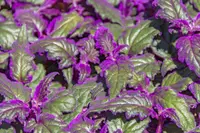
This guide explains watering Purple Passion Plant so its velvety foliage stays healthy indoors. Gynura aurantiaca comes from humid, seasonally moist habitats, so it dislikes long dry spells. It prefers lightly moist, not soggy, soil with brief drying at the surface between waterings.

Indoors, keep moisture steadier than a typical drought-tolerant houseplant, adjusting for room temperature and light. Outdoor container plants may dry faster and need closer monitoring than in-ground plantings.

Water when the top 1–2 inches (3–5 cm) of soil feel dry, as Gynura aurantiaca prefers slightly moist but not soggy conditions. This typically means watering about every 5–10 days in warm, bright indoor conditions. Lower light or cooler rooms usually extend the interval between waterings.

Water Purple Passion Plant when the top 1–2 inches (3–5 cm) of potting mix feel dry and slightly lighter.

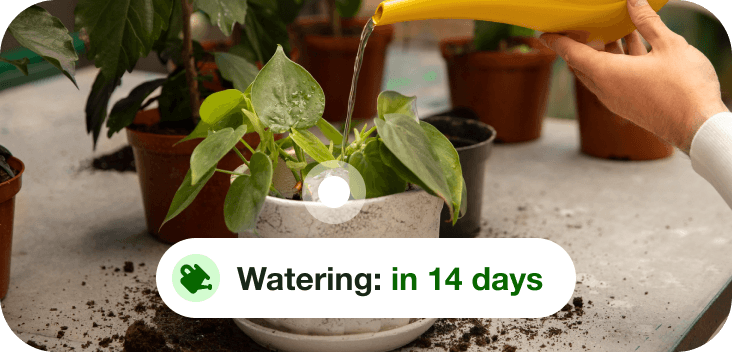
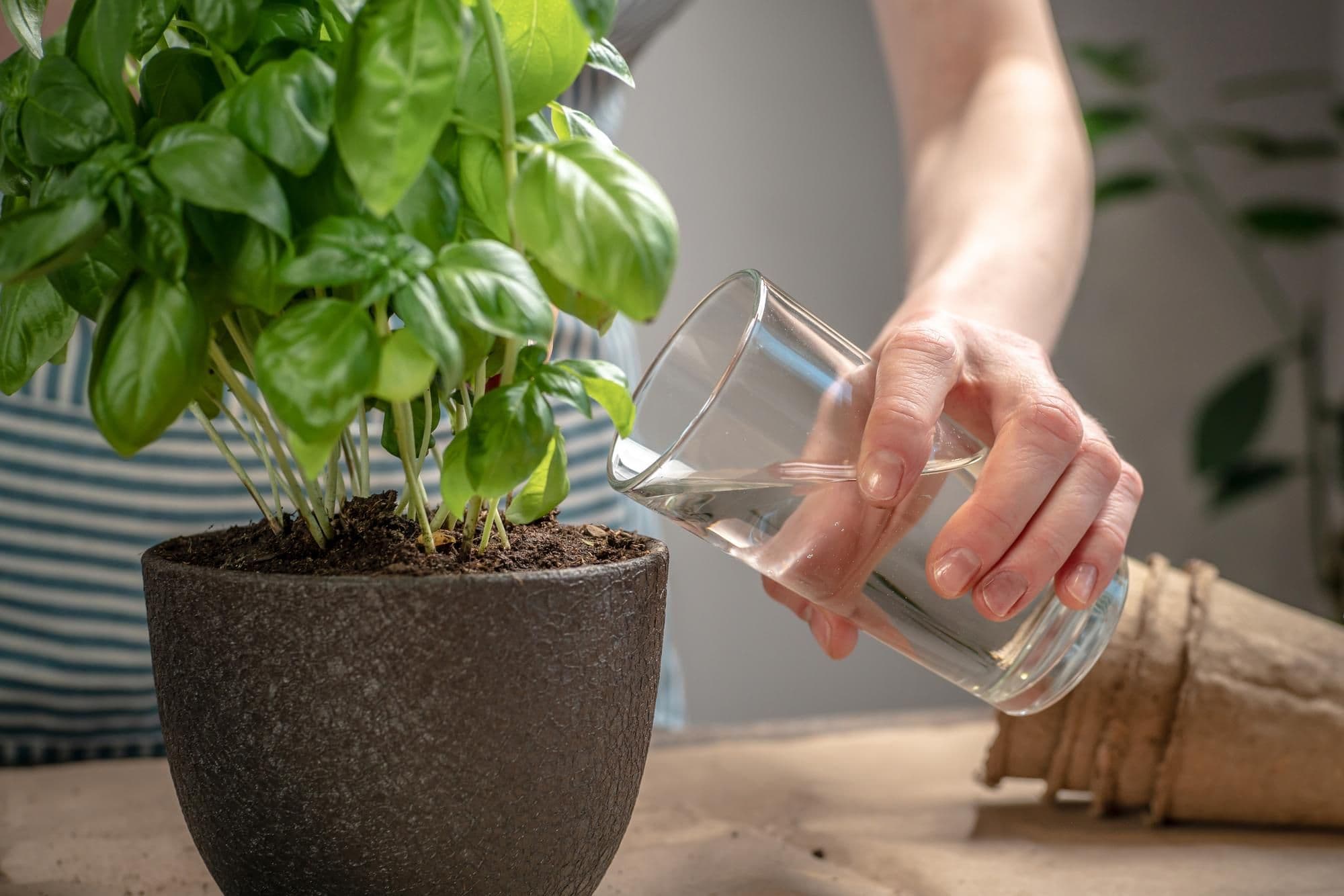
  • Pour room-temperature water slowly over the potting mix surface until it is evenly moist and water begins draining from holes.
  • Ensure the entire root zone is moistened by watering in a circular pattern, avoiding direct streams against the stem base.
  • Keep the fuzzy leaves and stems as dry as possible, directing water only to the soil, not onto the foliage.
  • Empty saucers or cachepots within a few minutes so the container does not sit in standing water after watering.

Incorrect moisture encourages stress and decline in Gynura aurantiaca, especially indoors and containers.

Drooping Fuzzy Leaves:

Stems and leaves flop and feel soft from prolonged dryness or inconsistent, shallow watering routines.

Brown Leaf Edges:

Velvet foliage edges crisp and brown when soil repeatedly dries too far between waterings.

Yellowing Lower Leaves:

Older leaves yellow and drop as roots suffocate in dense, constantly wet potting mix.

Mushy Roots And Soil:

Roots turn brown and slimy in heavy, soggy containers lacking drainage holes or aeration.

Powdery Leaf Patches:

Soft purple leaves develop pale, dusty spots when overhead watering keeps foliage damp in stagnant air.

Maintain lightly moist, airy soil with thorough drainage, avoiding both extended dryness and waterlogged conditions.

Unsuitable watering habits can quickly weaken Purple Passion Plant (Gynura aurantiaca), since its fine roots and velvety foliage dislike extremes.

  • Watering by calendar: Following a fixed schedule, instead of checking the topsoil, often keeps the mix too wet; wait until the surface feels slightly dry.
  • Heavy, soggy potting mix: Using dense garden soil traps moisture around roots; choose a light houseplant mix with extra perlite for faster drainage.
  • Letting saucers stay full: Leaving runoff in the saucer keeps the root zone saturated; empty it within a few minutes after watering.

Aim for evenly moist, fast-draining soil and adjust watering to current light, temperature, and growth, not rigid habits.

  • Spring: Growth usually speeds up, so monitor soil more often and water once the top layer dries, avoiding prolonged sogginess.
  • Summer: Higher temperatures and brighter light can dry the mix faster; check moisture frequently and water deeply when the upper soil feels dry.
  • Fall: As growth slows, extend the time between waterings, letting a bit more of the soil dry before adding water again.
  • Winter: In cooler, lower-light conditions, reduce watering and allow the potting mix to dry noticeably deeper to limit root and stem rot.

Track Watering. Catch Problems Early

Use Botan for a clear watering guide and simple care reminders for your Purple Passion Plant. The app also reviews plant photos to help spot early signs of stress or disease.

Botan plant care app — identify plants on mobile

FAQ

Check the top 1–2 inches (3–5 cm) of soil and water when it feels dry, usually every 5–10 days indoors. Frequency varies with light, pot size, and temperature, so adjust as conditions change.

Everything About Purple Passion Plant

More Plant Watering Guides

Is Your Watering Routine Hurting Your Purple Passion Plant?

Botan helps review watering patterns so adjustments are easier to understand and apply.

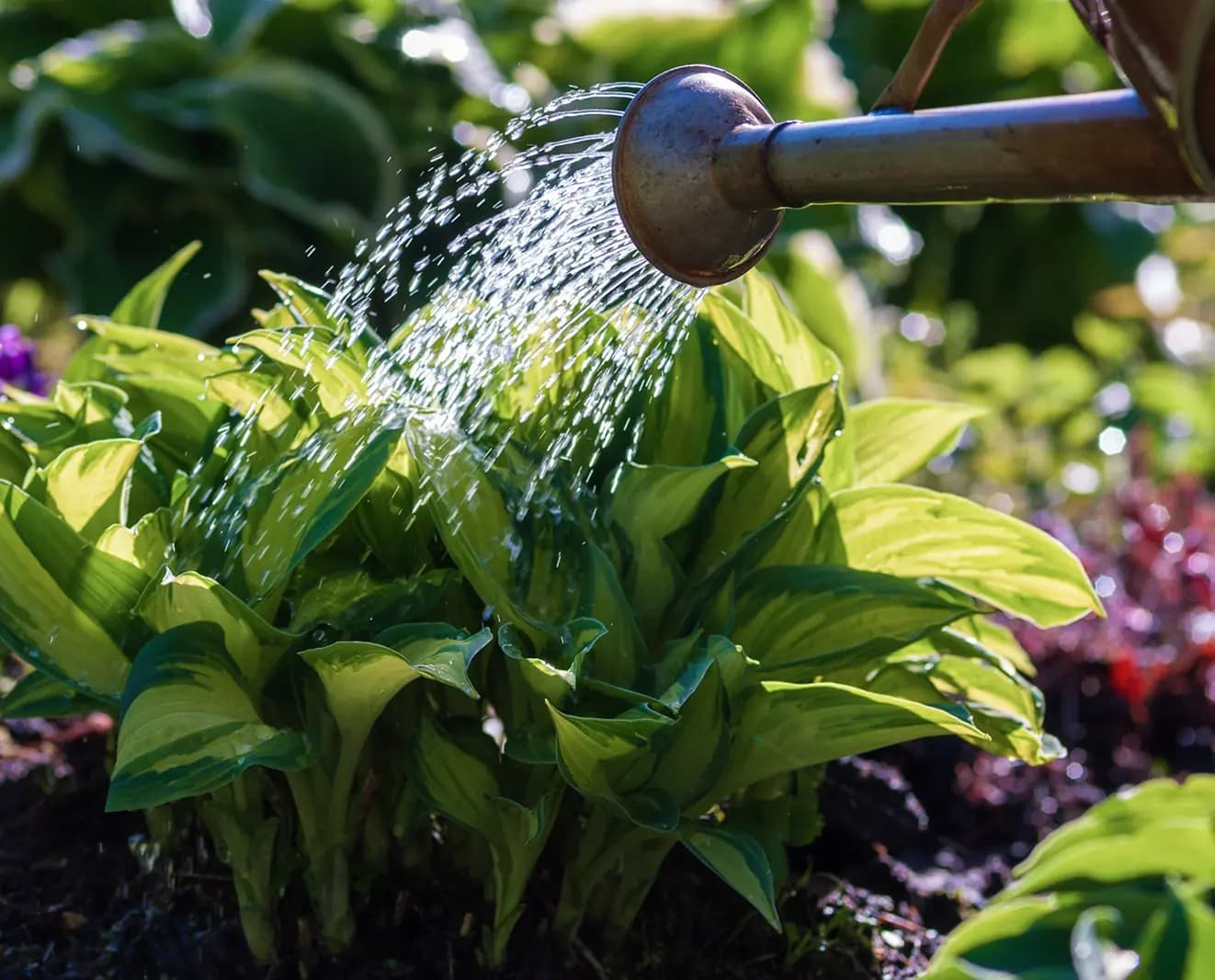
Watering a plant with a copper watering can
Best Water for Plants – How to Choose the Right Type

7 min read · 13 Aug 2026

Best Water for Plants – How to Choose the Right Type

Rainwater, filtered, distilled, and tap water affect plants differently. Learn which types support healthy growth and which cause slow damage. Match each to your plants and discover how to easily improve tap water quality.

Plant Care
Best Water for Plants – How to Choose the Right Type
Top 5 Best Indoor Plants for Air Quality

5 min read · 11 Sept 2026

Top 5 Best Indoor Plants for Air Quality

Indoor plants can make a room feel fresher thanks to their air-purifying qualities. Here are 5 of the most suitable choices for your routine and living space.

Plant Recommendations
Top 5 Best Indoor Plants for Air Quality
Banana Peel Water for Plants: 5 Things to Know Before Trying It

5 min read · 9 Jul 2026

Banana Peel Water for Plants: 5 Things to Know Before Trying It

Banana water can provide potassium and some nutrients that may support plant growth, but it is not a universal fix. Use it carefully and only when the plant actually shows signs of nutrient deficiency rather than as a routine treatment.

Plant Care
Banana Peel Water for Plants: 5 Things to Know Before Trying It