Dumbcane (Dieffenbachia seguine) Watering Guide

This page explains when, how often, and how much to water Dieffenbachia seguine for steady indoor growth.

Water Requirements

Moderate Water

Dieffenbachia seguine Watering

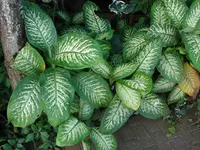
In its native tropical forests, Dumbcane grows in warm, humid shade with soil that stays lightly moist, not soggy. Indoors, Dieffenbachia seguine generally prefers gentle, steady moisture rather than frequent wet–dry swings. A simple, consistent routine is the core of watering Dumbcane successfully.

Most indoor plants do best when watering keeps the root zone slightly moist, allowing only a brief, mild dry-out. Outdoor specimens usually experience more airflow and light, so their soil may need attention a bit more often.


Water when the top 1–2 inches (3–5 cm) of soil feel dry, as Dieffenbachia seguine prefers slightly moist but not soggy conditions. This typically means watering about every 7–10 days indoors, though warm temperatures or brighter light can shorten the interval, and lower light can lengthen it.

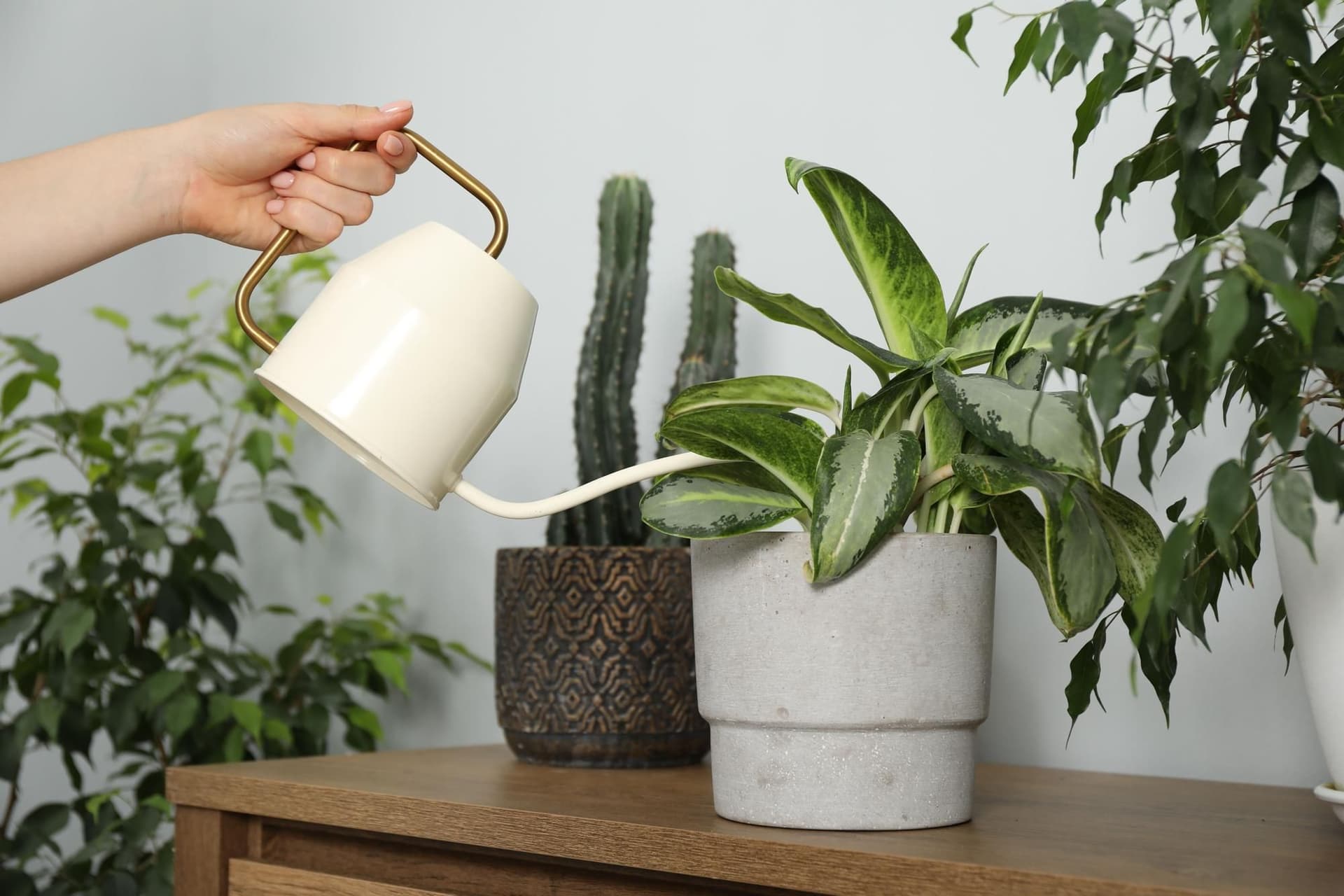
Water Dumbcane when the top 1-2 inches (3-5 cm) of soil feel dry, soaking the root zone evenly each time.

  • Pour room-temperature water slowly over the soil surface, circling the pot so moisture reaches all sides of the root ball.
  • Continue adding water until it begins to drain from the bottom holes, ensuring the entire root zone is thoroughly moistened.
  • Let the pot drain fully for several minutes, then empty any water collected in the saucer or decorative cachepot.
  • Keep water directed at the soil only, avoiding the plant’s stems and leaves to maintain a clean, dry crown area.

Incorrect moisture levels can trigger health setbacks for Dieffenbachia seguine in indoor conditions.

Yellowing Lower Leaves:

Older leaves turn uniformly yellow and limp from chronically wet soil and declining root health.

Brown Leaf Edges:

Margins dry, curl, and crisp when watering is infrequent or humidity stays consistently low.

Mushy Stems At Base:

Lower stems feel soft and collapse because saturated, poorly drained soil promotes stem rot.

Wilting In Wet Soil:

Foliage droops even with moist mix when damaged roots cannot absorb available water effectively.

Slow, Stunted Growth:

New leaves emerge small and sparse after prolonged moisture stress disrupting normal root function.

Maintain lightly moist, airy soil with thorough watering followed by partial drying and consistent drainage.

Poor watering habits quickly stress Dieffenbachia seguine, since its fleshy stems and large leaves rely on steady but moderate moisture.

  • Watering by calendar: Following a rigid weekly schedule ignores seasonal changes; instead, water only when the top soil layer feels dry to the touch.
  • Dense, soggy potting mix: Using heavy garden soil traps water around the roots; choose a loose indoor mix with added perlite for faster drainage.
  • Letting runoff sit: Leaving water in the saucer keeps roots wet for too long; empty the tray a few minutes after watering finishes.

A safer approach is to combine finger-checks of the soil with freely draining conditions, adjusting water amounts to current indoor conditions.

  • Spring: Growth usually speeds up; let the top inch of mix dry slightly faster and check moisture more frequently as days brighten.
  • Summer: Warm indoor temperatures and stronger light increase use; inspect soil often, but prevent constant saturation to avoid root stress and rot.
  • Fall: As light and growth slow, extend the drying period a bit before watering while keeping humidity stable around the plant.
  • Winter: In cooler, lower-light rooms, growth may pause; allow deeper drying, but never let the root ball become completely dust-dry.

Your Dumbcane Care Companion

Use Botan for a clear watering guide and practical care steps for Dumbcane, plus gentle photo-based checks that help spot early issues before they spread.

Botan plant care app — identify plants on mobile

FAQ

Water slowly until 10–20% of the total volume drains from the bottom, regardless of pot size. In larger pots, pour in stages so the whole root ball is moistened without flooding one side.

More Plant Watering Guides

Is Your Watering Routine Hurting Your Dumbcane?

Use Botan to review your watering pattern and adjust it with simple, clear guidance.

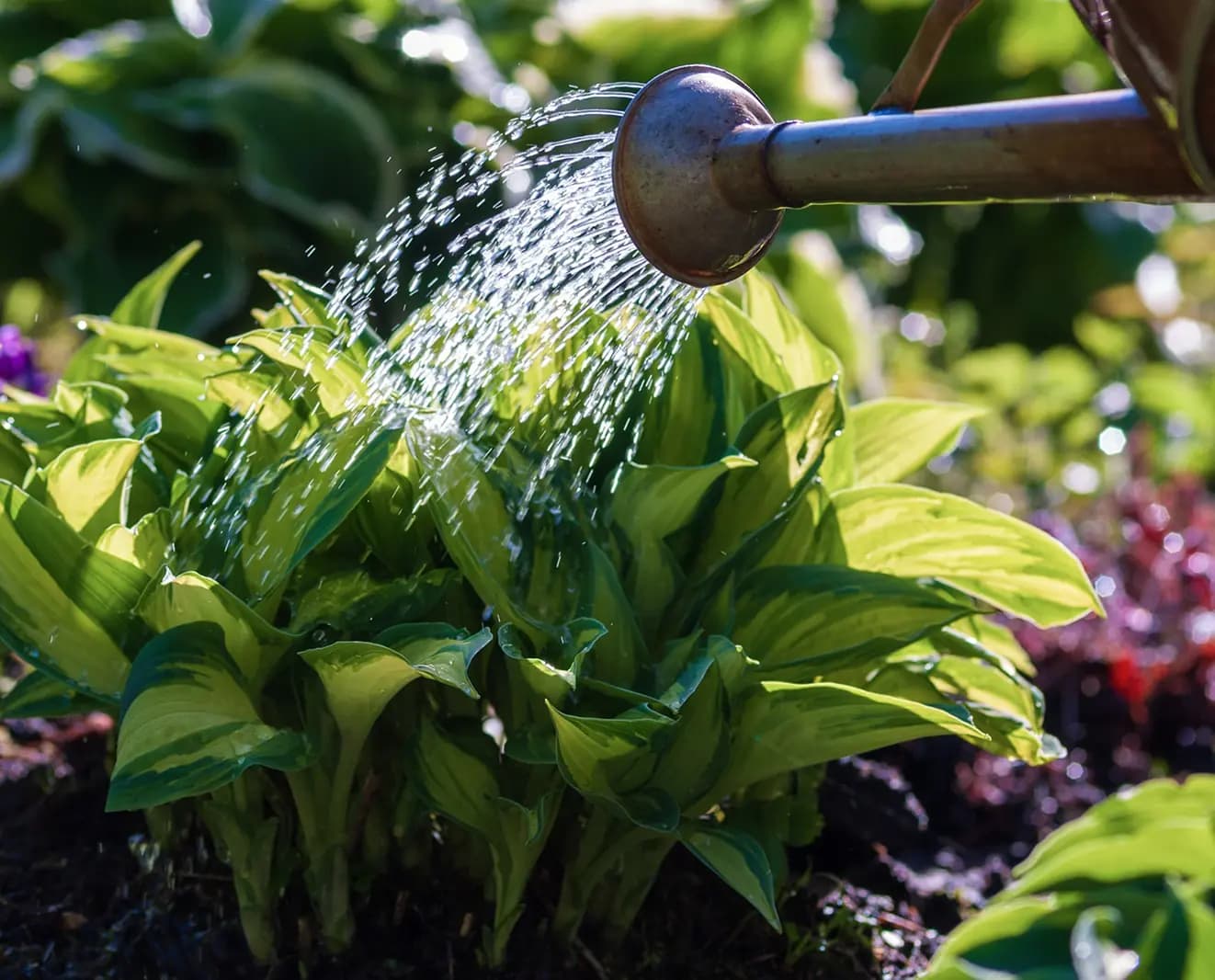
Watering a plant with a copper watering can
12 Best Plants That Repel Spiders For Your Home and Garden

8 min read · 24 Jul 2026

12 Best Plants That Repel Spiders For Your Home and Garden

Spiders constantly appear in places you don't want them. A few common plants can help repel them using scent alone. Here are 12 options suitable for both indoors and outdoors, plus care tips for each.

Plant Recommendations
12 Best Plants That Repel Spiders For Your Home and Garden
How to Water Houseplants: Watering Guide

7 min read · 24 Aug 2026

How to Water Houseplants: Watering Guide

Learn how often to water indoor plants, key factors for proper watering, and how to adjust the care routine by plant type, season, pot size, light, and indoor conditions.

Plant Care
How to Water Houseplants: Watering Guide
Best Fertilizer for Vegetable Gardens – What to Use for Each Plant

11 min read · 20 Jul 2026

Best Fertilizer for Vegetable Gardens – What to Use for Each Plant

Here, you’ll find the right fertilizer formula for vegetables in your garden. Learn how to adjust feeding correctly throughout the growing cycle, spot nutrient deficiencies by their symptoms, and keep your plants healthy and prolific.

Plant Recommendations
Best Fertilizer for Vegetable Gardens – What to Use for Each Plant