
African Mask (Alocasia 'Polly') Watering Guide

This page explains when, how often, and how much to water Alocasia 'Polly' for steady, healthy growth.

Water Requirements

Keep Soil Moist

Alocasia 'Polly' Watering

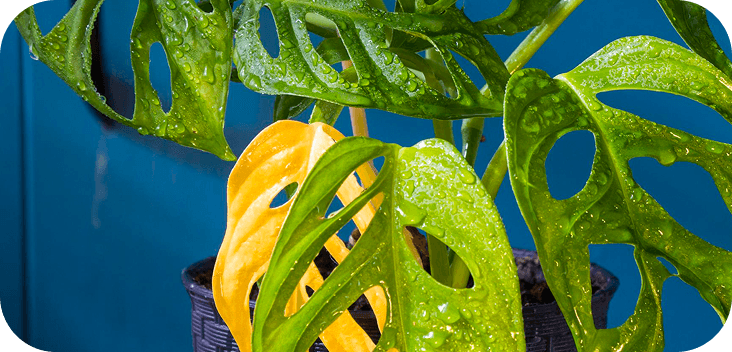
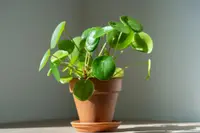
Balanced moisture is key when learning how to water African Mask indoors. In its native tropical forest habitat, Alocasia 'Polly' experiences frequent rain and high humidity but not swampy, standing water. As a houseplant, it prefers soil that stays lightly, consistently moist rather than drying out completely between waterings.

Most homes grow Alocasia 'Polly' in containers, where watering needs are more frequent than for similar plants grown in shaded garden beds.

Alocasia 'Polly' usually needs water about once a week in warm, bright indoor conditions, but timing should follow soil dryness, not the calendar. Water again when the top 1–2 inches (3–5 cm) feel dry. In lower light or cooler seasons, the interval often stretches to 10–14 days.

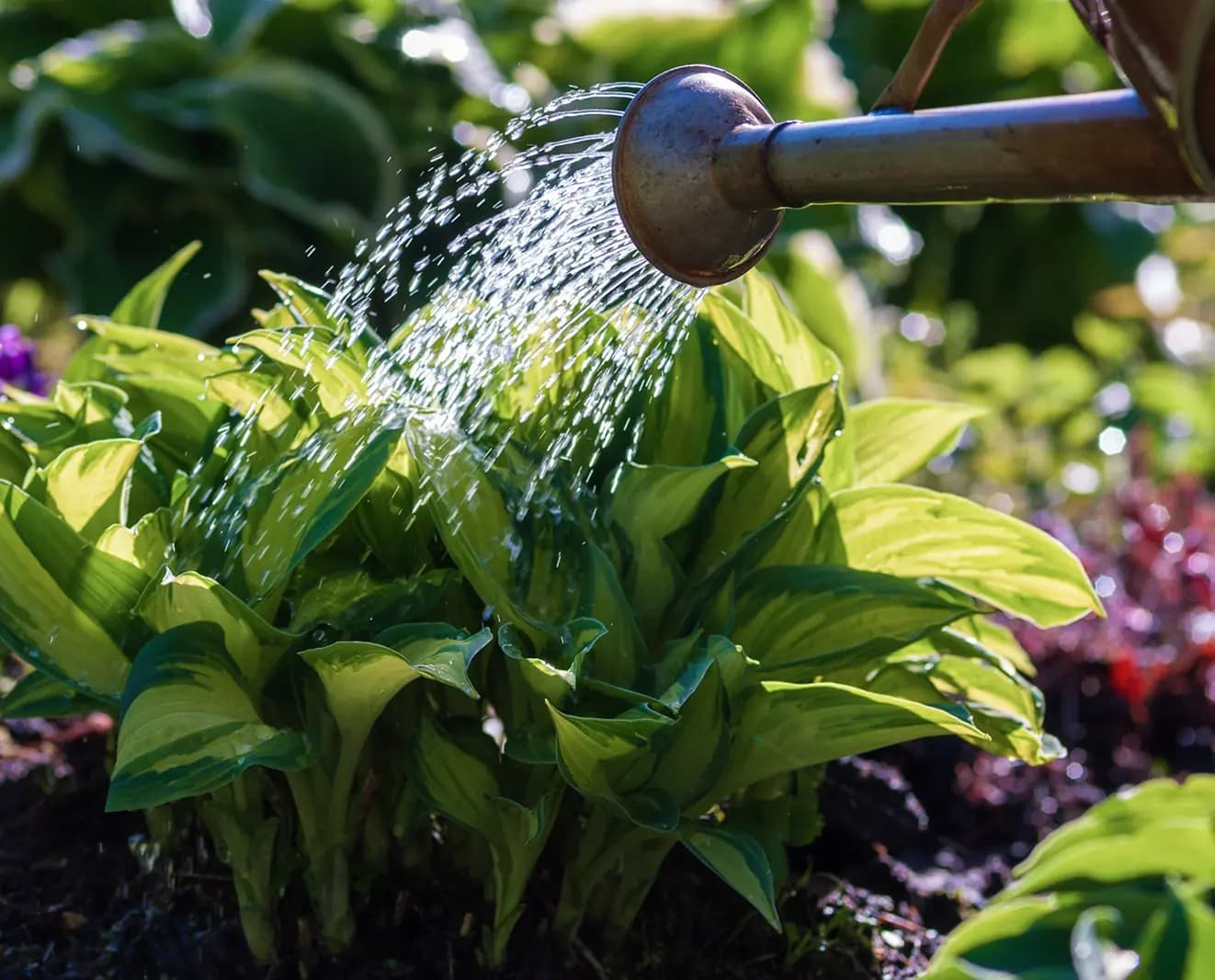
Water African Mask when the top 1-2 inches (3-5 cm) of soil feel dry, using slow, even watering for balanced moisture.

  • Pour room-temperature water slowly over the soil surface, circling the pot so moisture reaches the entire root zone.
  • Continue watering until a gentle stream drains from the bottom holes, showing the soil is evenly saturated without flooding.
  • Let the pot drain fully for several minutes, then empty saucers or cachepots so the container does not sit in water.
  • Keep water directed at the soil only, avoiding the central crown and leaves to reduce trapped moisture on plant tissue.

Incorrect moisture levels often trigger stress symptoms in Alocasia 'Polly' and related plants indoors.

Yellowing Lower Leaves:

Older foliage turns uniformly yellow and limp from persistently wet soil and reduced root function.

Crisp Brown Leaf Edges:

Margins dry, brown, and curl due to underwatering or low humidity combined with warm conditions.

Sudden Leaf Droop:

Petiole collapse with heavy, soggy soil indicates oversaturation and insufficient oxygen around roots.

Soft Mushy Roots:

Roots appear brown, smell sour, and feel slimy after chronic waterlogging and poor drainage.

Slow Stunted Growth:

New leaves emerge infrequently and undersized when moisture swings repeatedly between bone-dry and saturated.

Keep soil lightly moist with small, consistent waterings and excellent drainage, avoiding waterlogged or completely parched conditions.

Unsuitable watering habits weaken Alocasia 'Polly', making this African Mask more vulnerable to stress from light, temperature, or pests.

  • Watering by calendar: Following a fixed schedule instead of checking soil moisture keeps roots either too wet or too dry; test the top layer first.
  • Heavy, soggy potting mix: Using dense garden soil traps water around the roots; choose a chunky, peat-free aroid mix that drains quickly yet holds light moisture.
  • Letting runoff sit: Leaving water in the saucer re-floods the root zone; empty excess within 10–15 minutes so the mix can breathe.

Aim for evenly moist, never waterlogged soil, adjusting timing to room conditions and pot size rather than rigid routines.

  • Spring: New leaves usually emerge, so monitor soil more often and water when the top inch dries, avoiding constant saturation.
  • Summer: Growth stays active but heat speeds drying; check moisture frequently, watering thoroughly while ensuring excess drains and the root zone never becomes soggy.
  • Fall: Growth slows as light drops; extend time between waterings and let the top layer dry a bit deeper before watering again.
  • Winter: Partial dormancy is common; in cooler, lower light conditions, reduce watering significantly and keep soil just lightly moist, never wet.

Your African Mask Care Companion

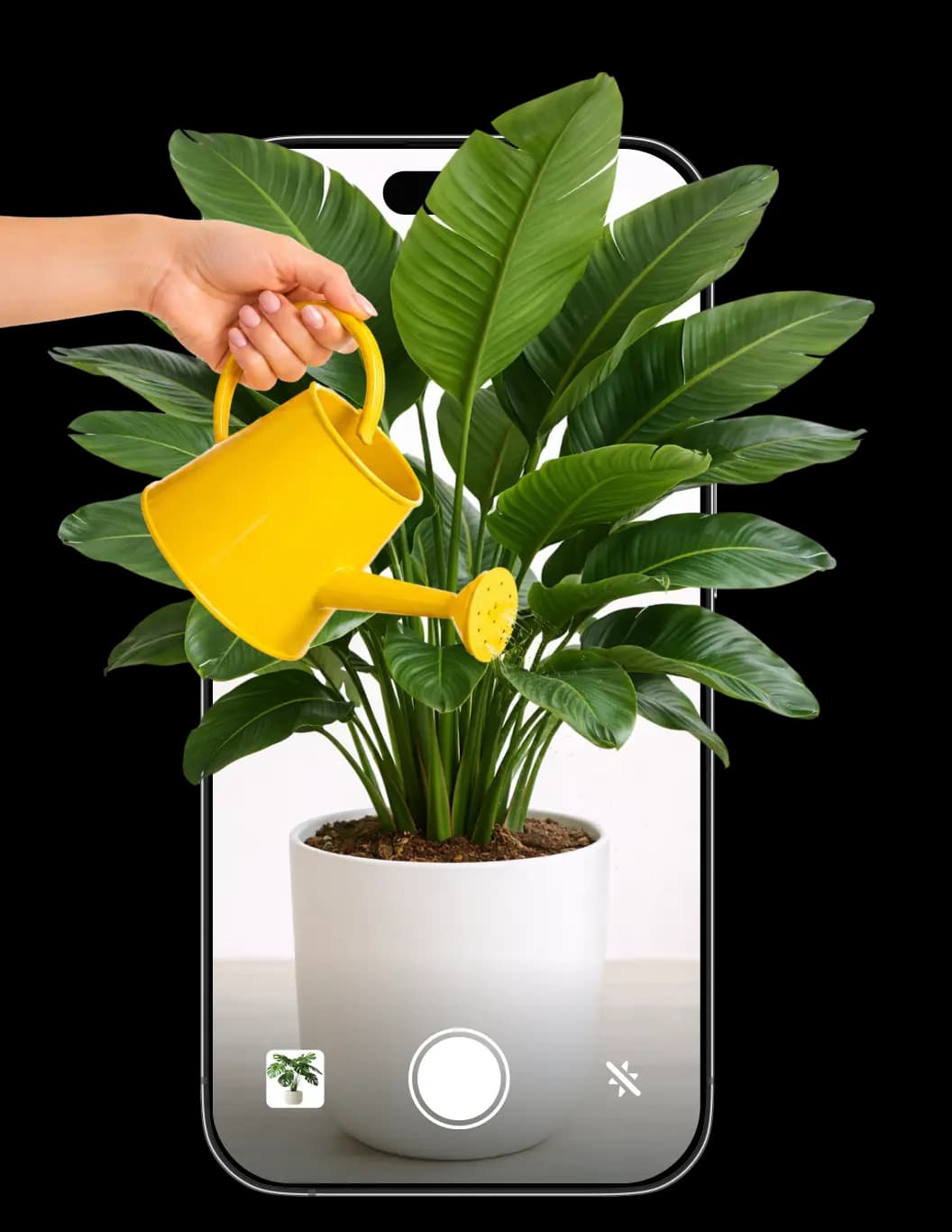
Use Botan to get a tailored watering guide and simple care steps for African Mask or Alocasia 'Polly', and to calmly review plant photos for early signs of stress or issues.

Botan plant care app — identify plants on mobile

FAQ

Water deeply until excess drains out, then let the top 1–2 inches of soil dry before the next drink. Trim crisp leaves, boost humidity, and keep it in bright, indirect light while new growth forms.

Everything About African Mask

More Plant Watering Guides

Is Your Watering Routine Hurting Your African Mask?

Botan quickly evaluates your watering pattern so adjustments stay straightforward and intentional.

Watering a plant with a copper watering can
How Often to Water Fruit Trees

7 min read · 11 Aug 2026

How Often to Water Fruit Trees

Irrigation needs change as roots establish and weather shifts. This guide gives practical starting intervals, explains how soil and tree type change them, and shows how to recognize both excess moisture and drought stress.

Plant Care
How Often to Water Fruit Trees
Best Fertilizer for Grass in Summer: How to Choose the Right One

6 min read · 18 Aug 2026

Best Fertilizer for Grass in Summer: How to Choose the Right One

The right fertilizer in summer can make a lawn thrive. The wrong one can damage it. Here, you’ll learn the best NPK ratios by grass type, when and how to apply your formula, and how to recognize the signs of over- or under-fertilizing.

Plant Care
Best Fertilizer for Grass in Summer: How to Choose the Right One
Plant Pot Sizes: How to Choose the Right Plant Container

7 min read · 20 Aug 2026

Plant Pot Sizes: How to Choose the Right Plant Container

Plant pot sizes can be confusing because the number on the label only tells you part of the required information. A container may look spacious but actually be too shallow. So, how to choose pot size for plant species?

Beginner Guides
Plant Pot Sizes: How to Choose the Right Plant Container