Tolerant of Fluoride
This species is known to be sensitive to fluoride in tap water, which can show as brown leaf tips and margins. Many growers use filtered, distilled, or rainwater to reduce this issue and keep foliage healthier over time.

This page explains when, how often, and how much to water Dracaena fragrans in straightforward, practical terms.

Water Requirements
Moderate Water

This slow-growing houseplant prefers a steady, moderate moisture level rather than constantly wet or bone-dry soil. In its native African habitat, Dracaena fragrans experiences alternating rain and drier periods, so indoor care should echo gentle cycles.
For watering Corn Plant, allow the top layer to dry slightly, then rehydrate to keep the root zone lightly moist. Indoors, aim for this subtle rhythm year-round before adjusting details to your specific space and conditions.
Let the top 1–2 inches (3–5 cm) of soil dry out before watering again, which usually means about every 1–2 weeks indoors. In brighter light or warmer rooms, the soil dries faster and intervals shorten; in lower light or cooler seasons, watering is typically less frequent for Corn Plant.
Water Corn Plant when the top 1-2 inches (3-5 cm) of soil feel dry, soaking the root zone evenly.
Incorrect moisture levels can disrupt Dracaena fragrans health, stressing roots, leaves, and overall growth.
Older leaves turn uniformly yellow and drop from consistently soggy soil and poor drainage issues.
Crisp brown margins develop from underwatering, low humidity, or fluoride and salts accumulating in soil.
Canes feel spongy and collapse when roots suffocate in waterlogged, compacted, or poorly drained soil.
Foliage droops despite damp mix, indicating root decline from chronic overwatering and oxygen-starved roots.
New leaves emerge small and weak after repeated cycles of overwatering followed by extended dryness.
Keep the root zone evenly moist, not saturated, adjusting frequency to pot size, light, and season.
Unsuitable watering habits weaken Dracaena fragrans by stressing its roots, making this corn plant more vulnerable to pests and environmental changes.
Aim for thorough but occasional watering into a freely draining mix, guided by soil dryness rather than dates or habit.
Is It Time to Water?
See whether your plant is ready for watering or needs more time to dry.
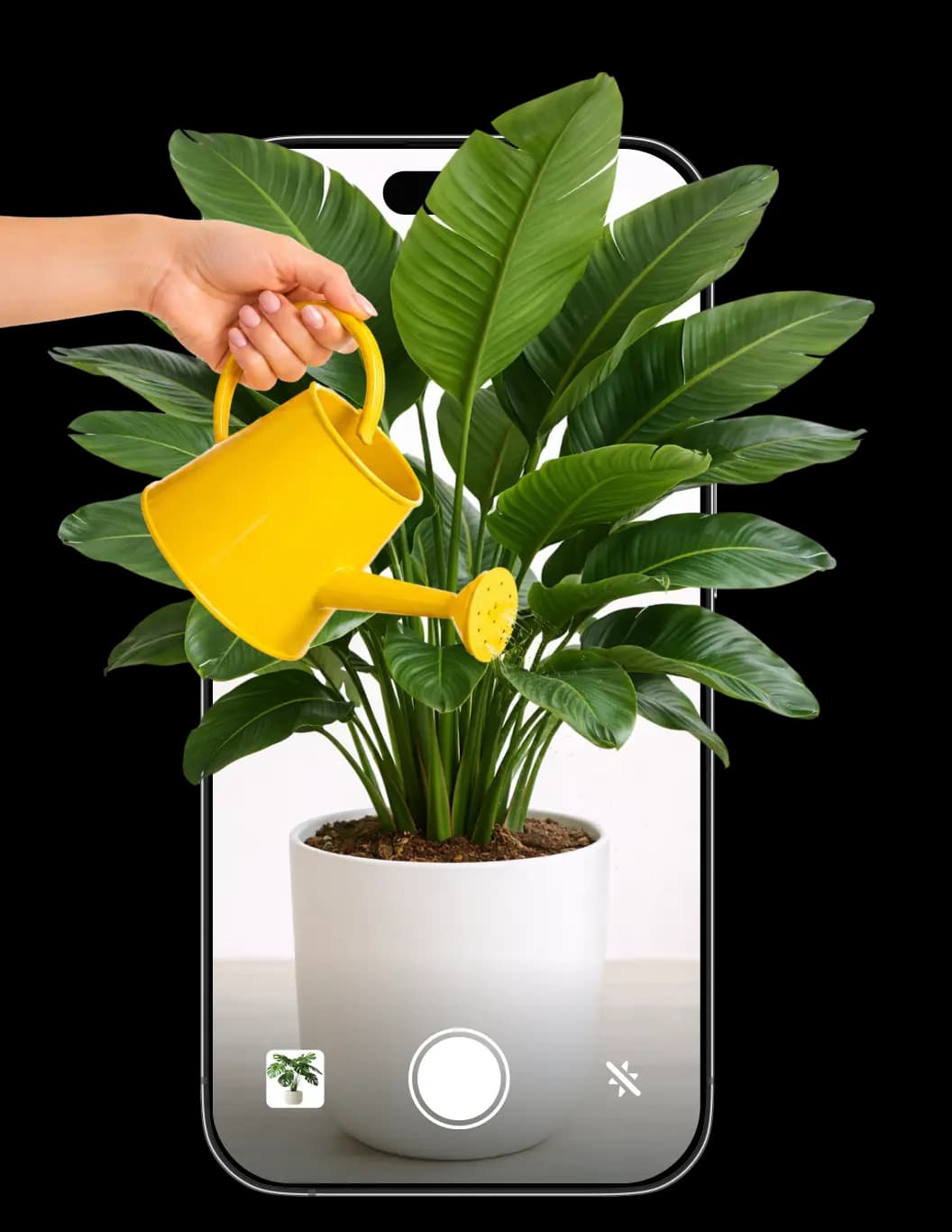
Use Botan for a simple watering guide and care steps tailored to your Corn Plant. The app also reviews plant photos to help spot early issues before they spread.
This species is known to be sensitive to fluoride in tap water, which can show as brown leaf tips and margins. Many growers use filtered, distilled, or rainwater to reduce this issue and keep foliage healthier over time.
In its native African habitat, this plant grows in regions with distinct wet and dry periods, so it is structurally adapted to tolerate short droughts. Its thick, cane-like stems store moisture, allowing it to cope with irregular rainfall.
Very cold water can shock roots, slowing growth and causing leaf tip browning. Use room‑temperature water for Dracaena fragrans watering, roughly 65–75°F (18–24°C), to keep root function and moisture uptake stable.
Botan reviews your watering pattern to confirm if moisture levels stay on track.

8 min read · 31 Aug 2026
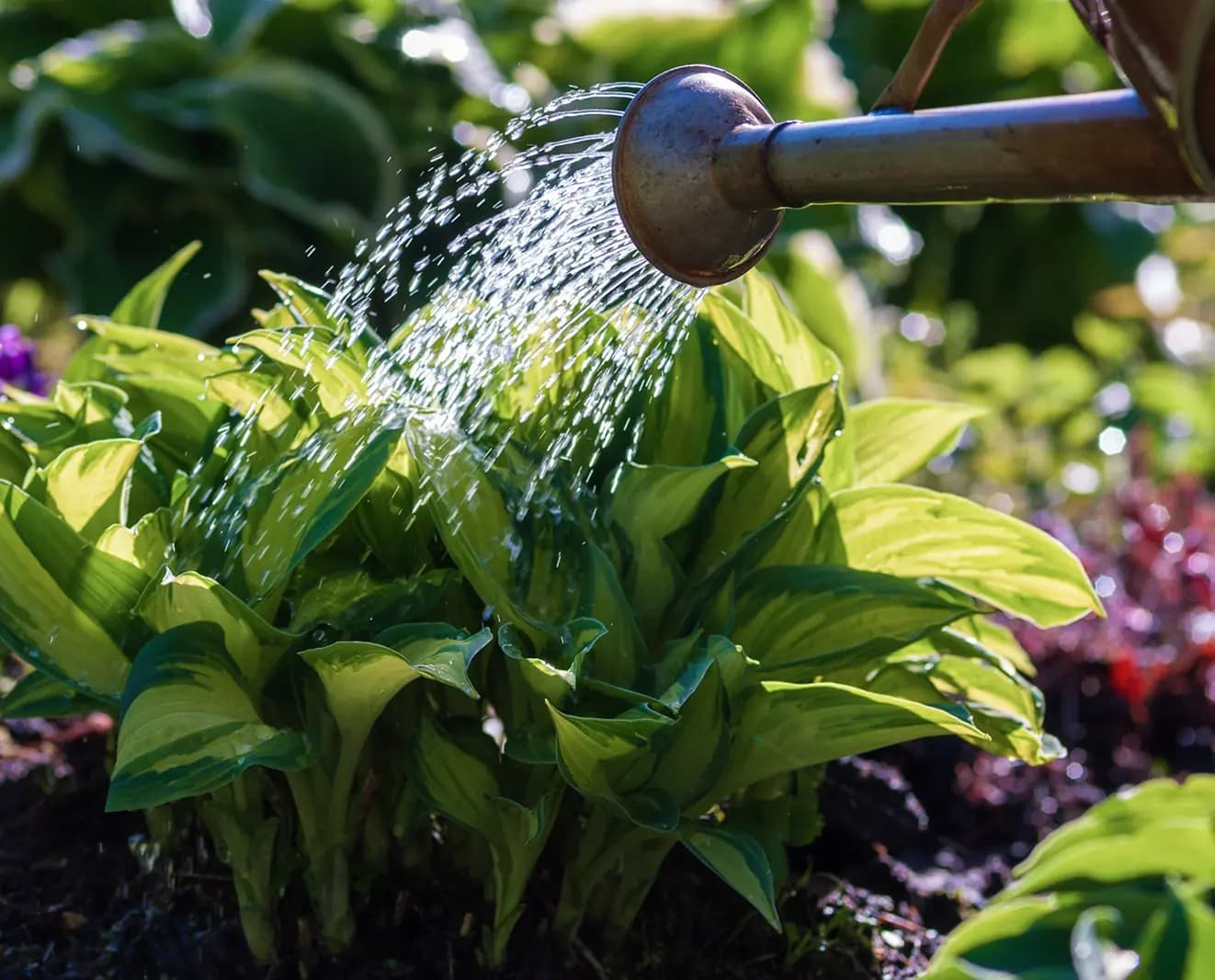
Good plant grouping can mean the difference between a well-planned garden and one that looks sloppy. This guide explores layers, spacing, cluster shapes, and the plants that thrive when you group them.

8 min read · 8 Jul 2026
Discover the top 10 houseplants that are suitable for growing in your bedroom. Compare their light and water needs, pet safety, and benefits. Find out where best to place greenery in your relaxation space and what species to avoid.
4 min read · 14 Sept 2026
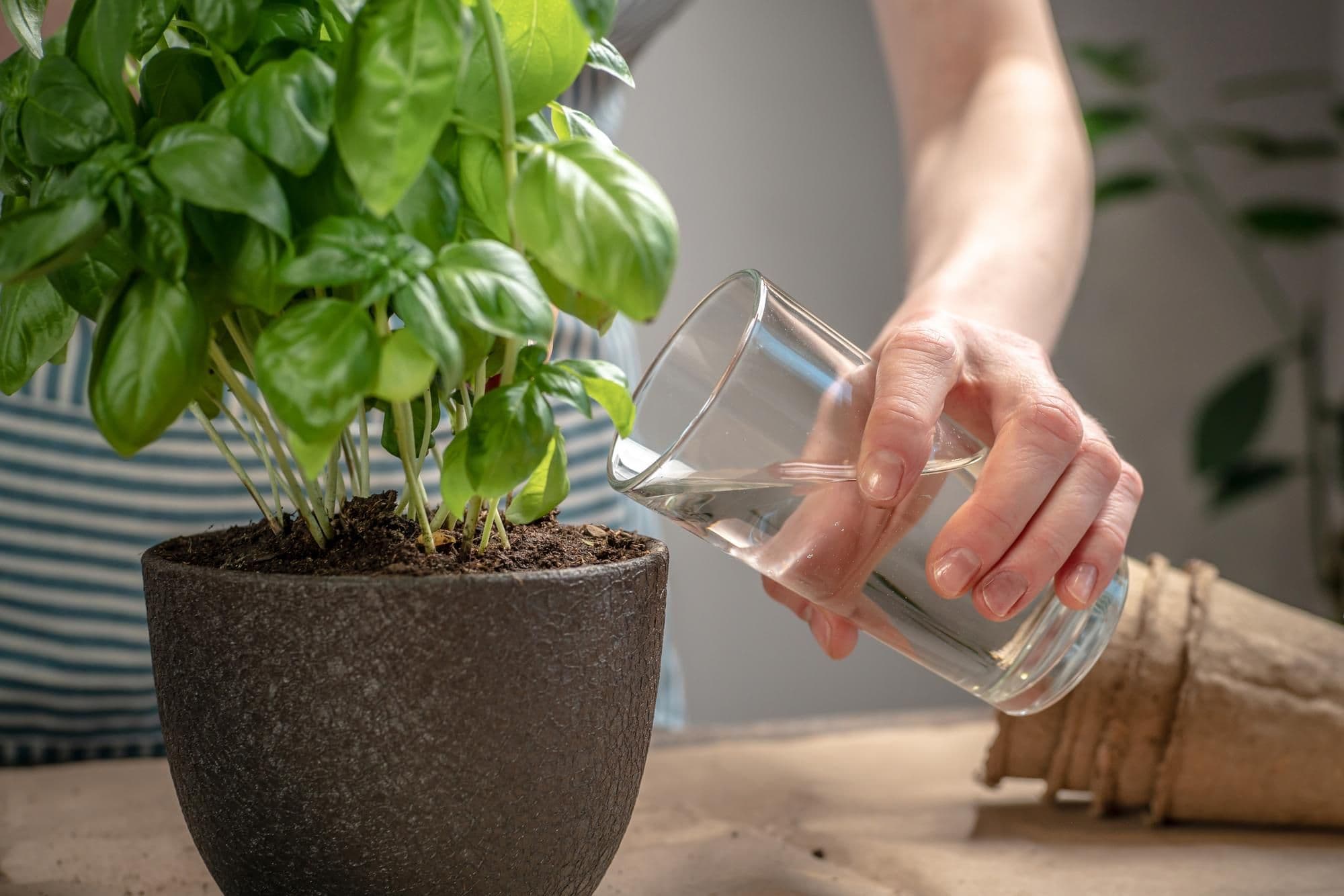
Sugar water may sound like an easy boost, but most rooted plants do not need extra sucrose. This guide explains how green tissues produce carbohydrates, when a sweetened solution can be useful, and why too much can cause problems.