
lipstick plant (Aeschynanthus pulcher) Watering Guide

This page explains when, how often, and how much to water Aeschynanthus pulcher to support steady indoor growth.

Water Requirements

Moderate Water

Aeschynanthus pulcher Watering

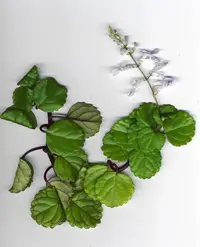
This trailing houseplant prefers lightly moist soil that dries a bit between waterings, reflecting its epiphytic forest origins. Aeschynanthus pulcher, commonly called lipstick plant, grows best indoors with steady, moderate moisture rather than constant wetness.

Think of watering lipstick plant as a balance between brief dryness and gentle replenishing. Indoor plants usually need more consistent monitoring than outdoor hanging baskets exposed to natural rainfall and airflow.

Water when the top 1–2 inches (3–5 cm) of soil feel dry, as Aeschynanthus pulcher dislikes staying soggy. Indoors, this typically means about once a week in bright light, with slightly longer intervals in lower light or during cooler seasons. Adjust timing if conditions change.

Water when the top 1-2 inches (3-5 cm) of soil feel dry; keep lipstick plant evenly moist, never soggy.

  • Pour room-temperature water slowly over the soil surface, circling the pot to moisten the entire root zone evenly.
  • Continue watering until a steady trickle emerges from the drainage holes, ensuring moisture reaches the lower roots.
  • Allow the pot to drain fully, then empty saucers or cachepots so the container does not sit in standing water.
  • Keep water off the leaves and stems, directing the stream at the soil to reduce lingering surface moisture.

Incorrect moisture around Aeschynanthus pulcher can lead to several avoidable health and growth problems.

Wrinkled Or Shriveled Leaves:

Older leaves wrinkle and feel leathery when potting mix stays dry too long between waterings.

Yellowing Lower Leaves:

Mature leaves yellow and drop as roots suffocate in consistently saturated, poorly drained soil.

Brown Leaf Tips And Edges:

Leaf margins dry, crisp, and darken when low humidity combines with underwatering or salty tap water.

Mushy Stems At Base:

Stems near the soil turn soft and collapse where chronic overwatering encourages stem and root rot.

Buds Drying And Dropping:

Formed buds shrivel and fall when watering swings sharply between very dry and very wet.

Aim for evenly moist, airy potting mix with no prolonged drought or standing water at roots.

Unsuitable watering habits quickly stress lipstick plant (Aeschynanthus pulcher), weakening growth and blooms even when light and temperature seem fine.

  • Watering by schedule: Giving water on a fixed calendar instead of checking soil moisture keeps roots either soggy or too dry; test the top layer first.
  • Dense, heavy potting mix: Using soil without perlite or bark holds water too long; choose a loose, airy mix that drains quickly after watering.
  • Letting runoff sit: Leaving water in the saucer forces roots to stand in constant moisture; empty saucers a few minutes after watering.

Aim for evenly moist, well-drained soil by checking dryness, using a light mix, and letting excess water escape fully.

  • Spring: New growth increases demand; water slightly more often, keeping the mix lightly moist and avoiding long dry periods between thorough waterings.
  • Summer: In warm, bright conditions and active flowering, check moisture more frequently, watering when the top 1 inch feels dry but never waterlogged.
  • Fall: Growth slows, so extend the interval between waterings, allowing the top layer to dry more and reducing overall frequency modestly.
  • Winter: In cooler, lower light, water sparingly and let more of the root zone dry, while protecting from cold, soggy soil.

Find the Right Watering Routine for Your lipstick plant

Use Botan for a clear watering guide and practical care steps for your lipstick plant. The app can also review photos to help spot early signs of stress or disease.

Botan plant care app — identify plants on mobile

FAQ

Water until moisture reaches all the way through the root zone, then let excess drain. Smaller pots may need less volume but more frequent watering. Larger pots need deeper soaking but less frequent attention.

Everything About lipstick plant

More Plant Watering Guides

Is Your Watering Routine Hurting Your lipstick plant?

Use Botan to review your watering pattern and adjust it with confidence.

Watering a plant with a copper watering can
Thorny Plants: A Comprehensive Guide

10 min read · 25 Aug 2026

Thorny Plants: A Comprehensive Guide

Many plants defend themselves with sharp thorns. This guide explores over 20 examples among flowers, shrubs, trees, and vines. You'll learn what each plant looks like, why it grows thorns, and how to quickly identify them.

Plant Recommendations
Thorny Plants: A Comprehensive Guide
Best Time to Plant Grass Seed: When to Seed Your Lawn

6 min read · 19 Nov 2026

Best Time to Plant Grass Seed: When to Seed Your Lawn

The best time to plant grass seed depends on your climate and grass type. Cool-season lawns establish best in late summer or early fall, while warm-season grasses perform best once soil warms in late spring or early summer.

Plant Care
Best Time to Plant Grass Seed: When to Seed Your Lawn
Top 15 Fast-Growing Trees For Your Garden

13 min read · 28 Jul 2026

Top 15 Fast-Growing Trees For Your Garden

Learn which of the 15 fastest-growing trees will suit your area. We’ll share detailed information on each: growth rate, mature spread, key tree demands, and main vulnerabilities. Read on and make the best choice possible.

Plant Recommendations
Top 15 Fast-Growing Trees For Your Garden