Naturally river-associated
In the wild, Ravenea rivularis often grows along riverbanks and seasonally wet valley bottoms in Madagascar, which explains its strong preference for consistently moist but not stagnant soil in cultivation.

This page explains when, how often, and how much to water Ravenea rivularis in straightforward, practical terms.

Water Requirements
Keep Soil Moist

Native to riverbanks in Madagascar, this palm is adapted to steadily moist conditions, not prolonged dryness. Ravenea rivularis prefers soil that stays lightly moist, with brief surface drying only. Indoors, watering Majesty palm aims to balance gentle, regular moisture with adequate air around the roots.
Outdoors in warm climates, ground‑planted specimens usually experience deeper, more even moisture than container plants. This overview sets the baseline for how to water Majesty palm before adjusting details for light, temperature, and potting setup.
Water when the top 1–2 inches (3–5 cm) of soil feel evenly dry, as this moisture level suits Ravenea rivularis roots. Indoors, this typically means watering about once a week in bright, warm conditions, with slightly longer intervals in cooler seasons or lower light.
Water Majesty palm when the top 1–2 inches (3–5 cm) of soil feel dry, using slow, deep, even moisture.
Incorrect moisture levels can disrupt Ravenea rivularis health and trigger several avoidable stress responses.
Older leaves fade yellow from chronically wet soil, signaling reduced root function and suffocation risk.
Dry, crispy tips indicate underwatering or low humidity combined with fast-drying, unretentive potting mix.
Fronds sag downward when roots lack oxygen or water after prolonged saturation or severe drying.
Soft, dark roots appear from persistent waterlogging in heavy soil without adequate drainage capacity.
White deposits on the surface suggest mineral buildup from hard water and infrequent deep flushing.
Keep roots evenly moist in well-drained soil, avoiding both prolonged drought and extended saturation periods.
Inconsistent or unsuitable watering habits can stress Majesty palm (Ravenea rivularis), weakening growth and reducing its tolerance to indoor conditions.
Aim for evenly moist, well‑aerated soil, adjusting water volume and timing to how quickly the mix actually dries.

Watering Advice
Learn when to water your plant and avoid common watering mistakes.
Botan offers a clear watering guide and key care steps for Majesty palm, plus gentle photo-based checkups that help notice leaf spots, pests, or other early plant issues.

In the wild, Ravenea rivularis often grows along riverbanks and seasonally wet valley bottoms in Madagascar, which explains its strong preference for consistently moist but not stagnant soil in cultivation.
Field observations from Madagascar show mature Ravenea rivularis can withstand short periods of waterlogged conditions during seasonal river rises, a trait that helps explain its relative tolerance of heavier watering compared with many other indoor palms.
The species forms a relatively shallow but wide root system adapted to moisture-retentive riverine soils, so it can struggle in very fast-draining, drought-prone substrates where the root zone dries out too quickly between waterings.
Early morning is ideal. Soil soaks up moisture before midday heat, reducing evaporation and stress. Avoid late evening if possible, since cool, wet soil overnight can encourage fungal issues around the roots.
Botan evaluates your watering routine so adjustments are simpler and more confident.
5 min read · 28 Sept 2026
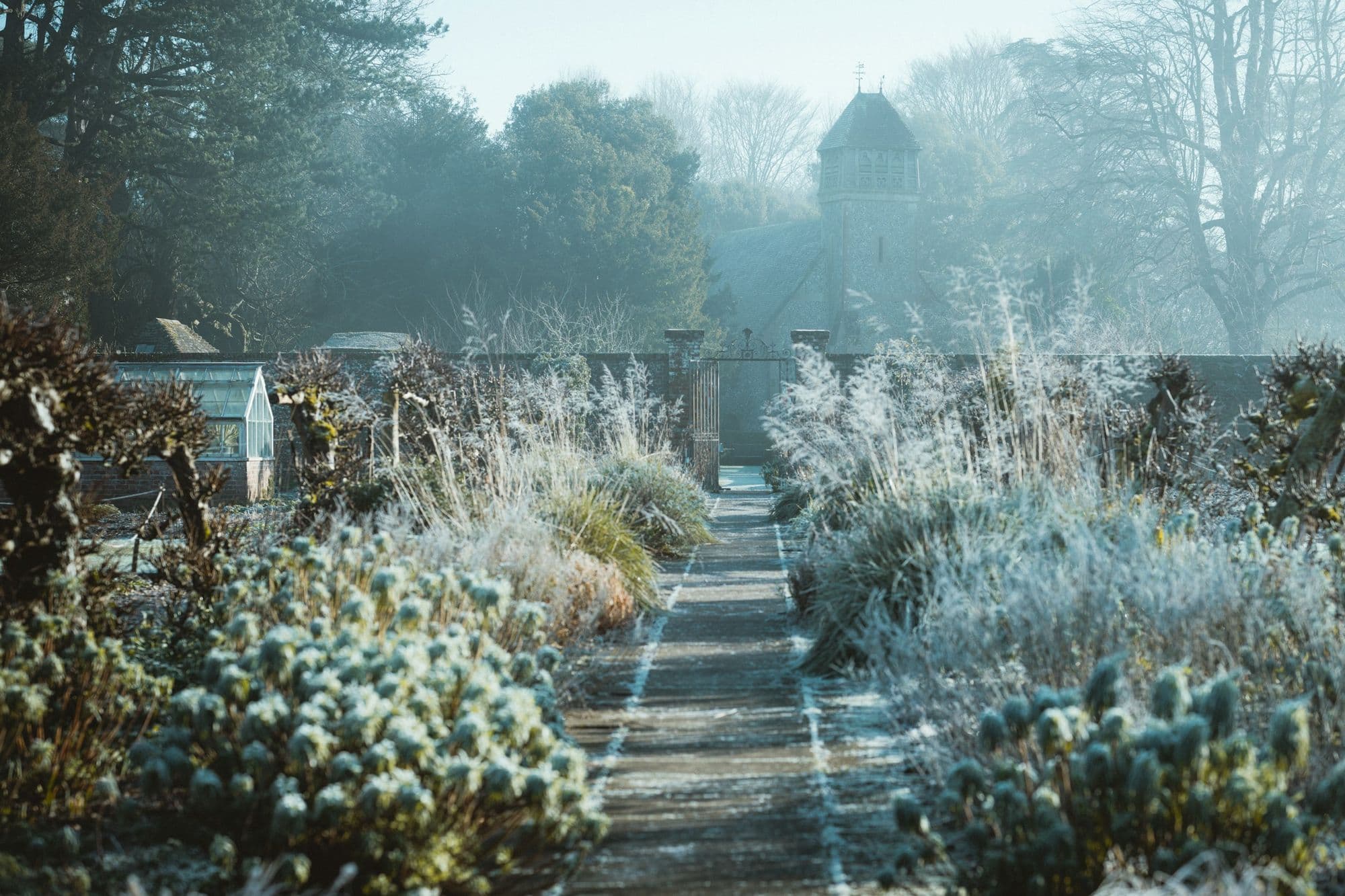
Learn how to prepare your garden for winter with a practical six-step checklist covering cleanup, tender plant care, watering, mulching, winter protection, and winterizing equipment and containers.
5 min read · 21 Jul 2026
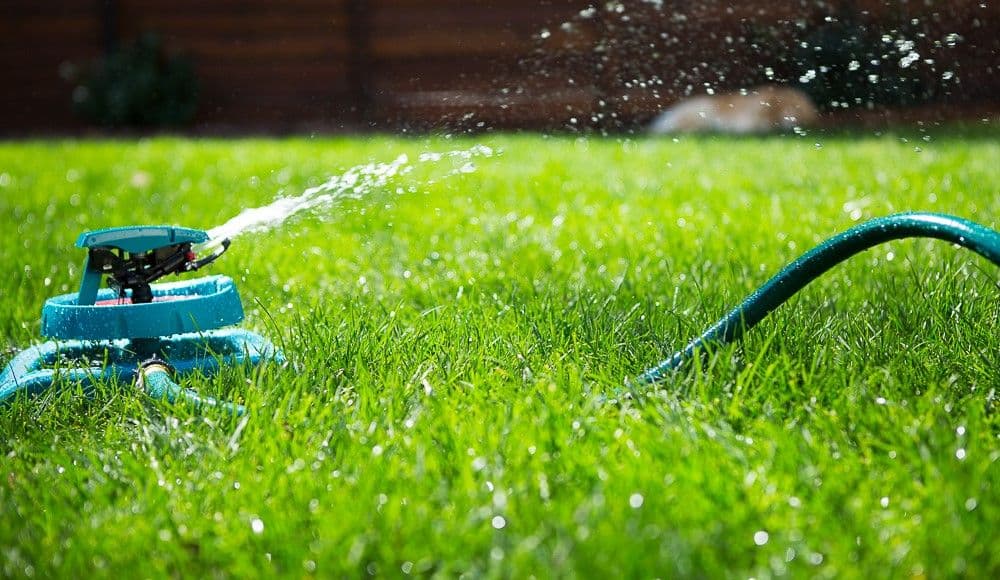
Summer watering is easy to get wrong. This guide explains when to turn on your sprinkler, how much liquid your grass needs each week, and how to tell if you're overwatering or underwatering.
13 min read · 28 Jul 2026
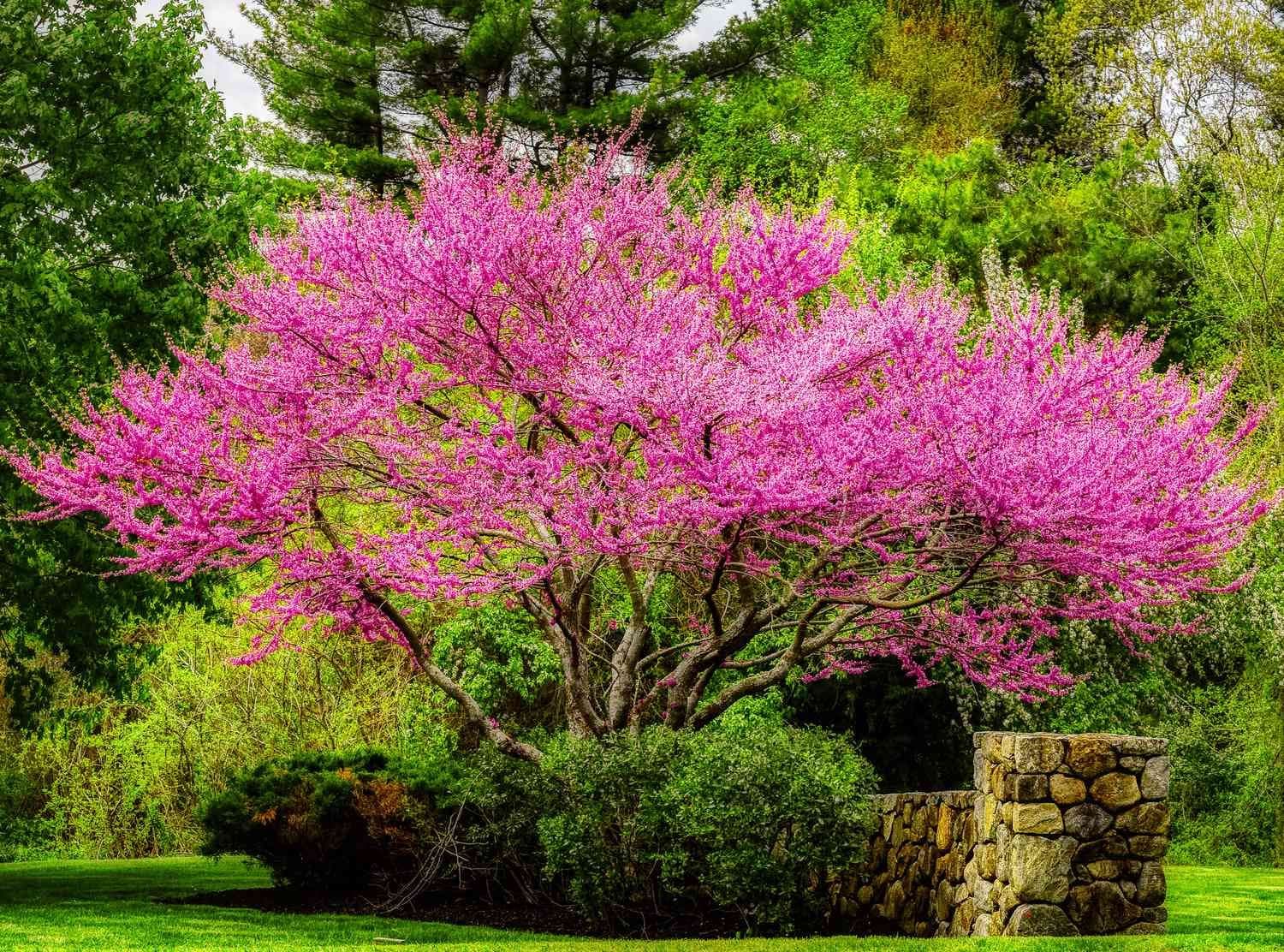
Learn which of the 15 fastest-growing trees will suit your area. We’ll share detailed information on each: growth rate, mature spread, key tree demands, and main vulnerabilities. Read on and make the best choice possible.