
China Doll (Radermachera sinica) Watering Guide

This page explains when, how often, and how much to water Radermachera sinica for steady, controlled growth.

Water Requirements

Moderate Water

Radermachera sinica Watering

This overview sets the stage for watering China Doll in a typical home environment. In its native subtropical forests, Radermachera sinica experiences warm temperatures and regular, gentle moisture rather than waterlogged soil.

Indoors, it prefers lightly moist conditions that neither stay soggy nor become bone dry between waterings. This page explains how to water China Doll so its roots receive steady, moderate moisture without extremes.

Let the top 1–2 inches (3–5 cm) of soil dry before watering again; the plant prefers slight, not deep, drying between waterings. Indoors, this typically means about once every 7–10 days, but brighter light or warmer rooms shorten the interval, while lower light or cooler conditions extend it.

Water China Doll when the top 1-2 inches (3-5 cm) of soil feel dry, using slow, even watering over the root zone.

  • Pour room-temperature water over the soil surface, circling the pot so moisture spreads evenly through the container.
  • Continue adding water until it begins to flow from the drainage holes, ensuring the entire root ball is evenly moistened.
  • Let the pot drain thoroughly, then empty any water collected in the saucer so roots do not sit in standing moisture.
  • Keep water directed at the soil only, avoiding foliage and stems to maintain good airflow and reduce prolonged surface moisture.

Incorrect moisture levels disrupt Radermachera sinica health and trigger several avoidable stress responses.

Limp Yellowing Leaves:

Lower foliage turns soft and yellow as persistently wet potting mix deprives roots of oxygen.

Crisp Browning Leaf Edges:

Leaf margins dry and brown when soil repeatedly swings from very wet to very dry.

Sudden Leaf Drop:

Previously healthy leaves fall after deep drought or drastic watering schedule changes.

Mushy Roots And Sour Soil:

Roots feel soft and dark, with sour-smelling mix, from chronic overwatering and poor drainage.

Keep roots in evenly moist, well-drained soil, avoiding both deep droughts and prolonged saturation.

Poor watering habits quickly stress Radermachera sinica, because its fine roots dislike extremes and need moisture changes that match conditions.

  • Rigid watering schedule: Watering by calendar instead of checking soil moisture keeps roots too wet or too dry; test the top layer before watering.
  • Heavy, soggy potting mix: Using dense garden soil traps water around fine roots; choose a light indoor mix with added perlite for faster drainage.
  • No drainage or full saucer: Letting water sit in a pot without holes or in a full saucer suffocates roots; empty excess within minutes.

Base watering on soil feel, pot weight, and light levels so the plant cycles between slightly moist and gently drier periods.

  • Spring: Growth usually ramps up, so check moisture more often and water when the top inch feels dry but not before.
  • Summer: In warm bright conditions, the root ball can dry faster; water thoroughly when dry to the touch, avoiding constant sogginess.
  • Fall: As growth slows, extend intervals slightly between waterings and allow the top layer to dry a bit deeper before watering.
  • Winter: With cooler temperatures and lower light, moisture lingers longer; water less often and avoid cold water on the roots.

Your China Doll Care Companion

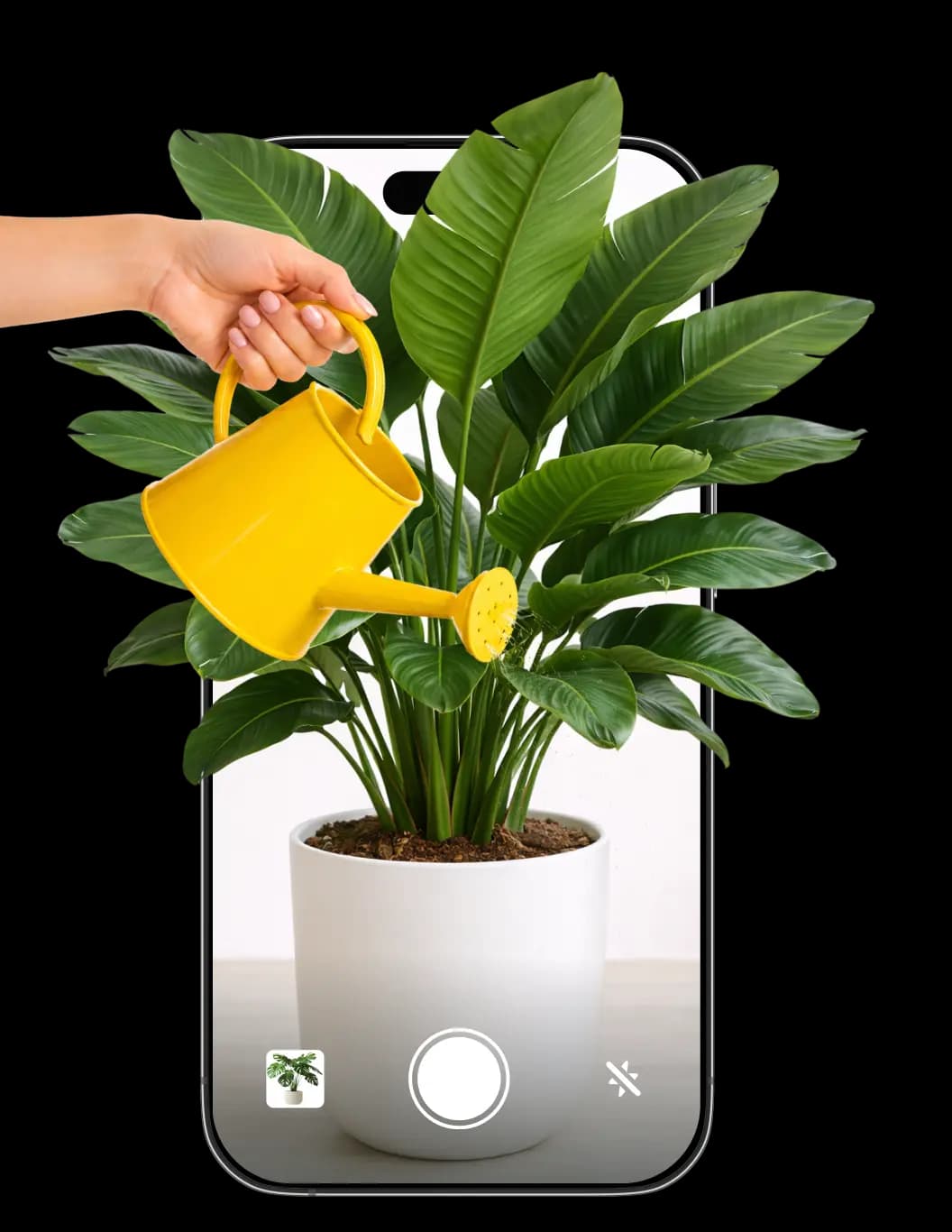
Use Botan for a simple watering guide and care steps tailored to your China Doll. The app can also review plant photos to flag early signs of stress or other issues.

Botan plant care app — identify plants on mobile

Interesting Watering Facts

Moist Forest Origins

In the wild in southern China and Taiwan, this species grows in warm, humid, monsoon-influenced forests, where soils are moist but not swampy. This background explains its strong preference in cultivation for evenly moist, well-drained substrates rather than prolonged dryness or waterlogging.


Sensitive To Salt Buildup

Container-grown specimens are prone to leaf-tip burn when watering is done with hard or heavily fertilized water. Regular flushing with low-mineral water helps prevent salt accumulation around the roots, which this species tolerates poorly compared with some tougher houseplants.

FAQ

Drooping right after watering usually means roots lack oxygen from waterlogged soil, a pot without drainage, or compacted mix. Let excess water drain, empty saucers, and allow the top layer to dry more between waterings.

More Plant Watering Guides

Is Your Watering Routine Hurting Your China Doll?

Botan reviews your watering habits and highlights needed adjustments for healthier moisture levels.

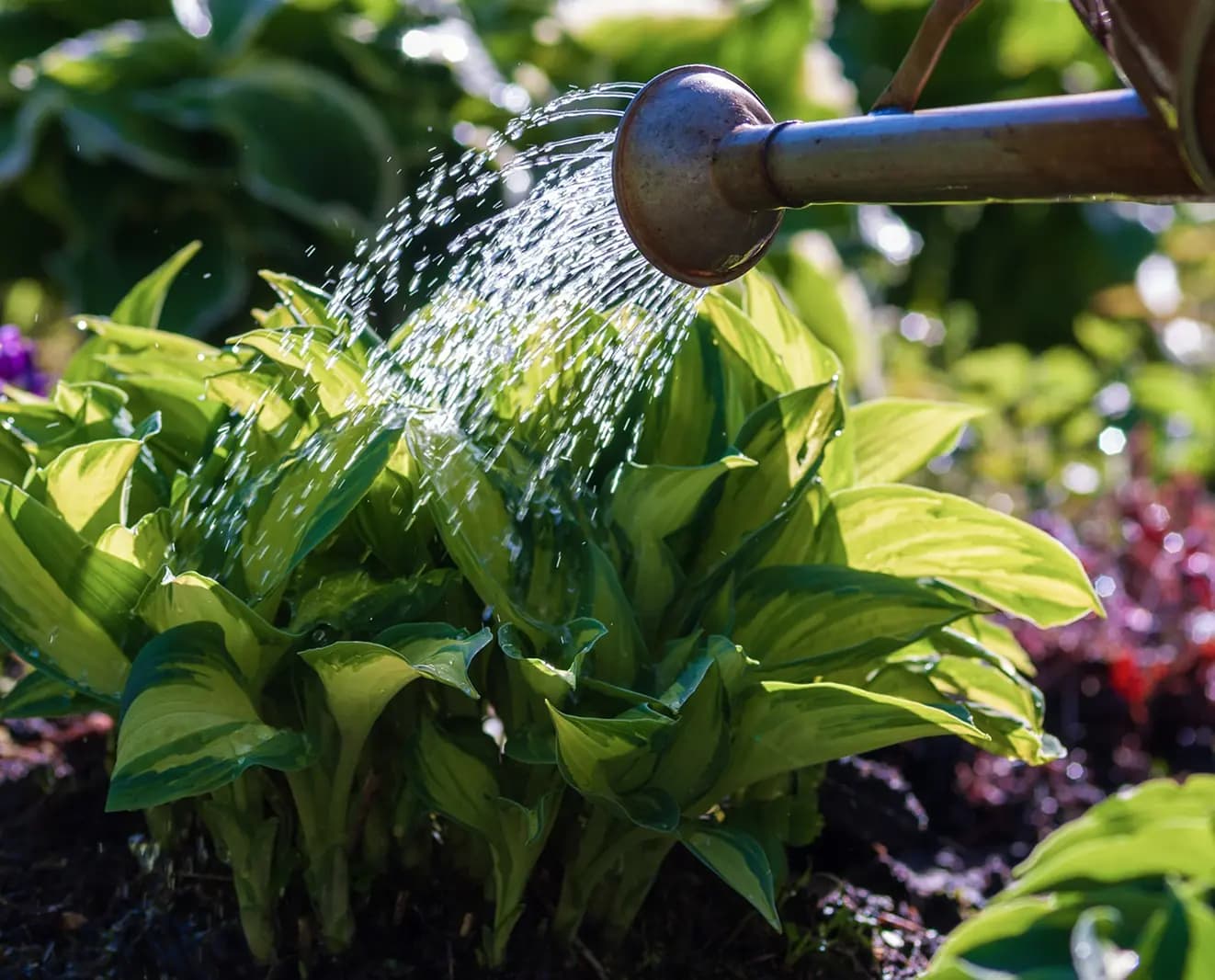
Watering a plant with a copper watering can
How to Tell if a Plant Is Dead

6 min read · 19 Aug 2026

How to Tell if a Plant Is Dead

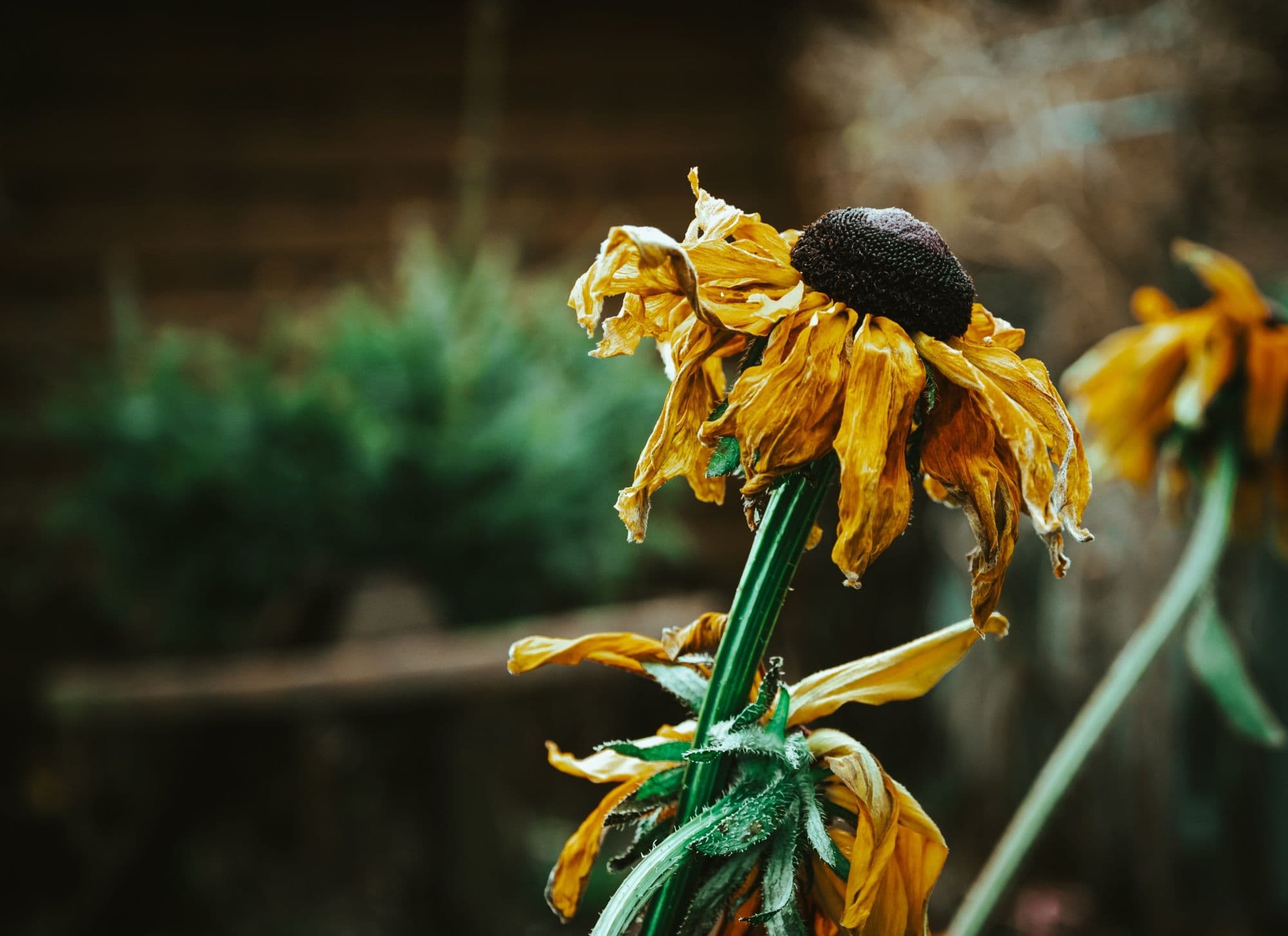
A plant can lose its leaves, stop growing, or collapse and still remain alive. A closer look at the stems, roots, bulbs, and tubers can show whether the plant still has a chance to recover.

Beginner Guides
How to Tell if a Plant Is Dead
What Do Plants Need to Grow – 5 Things Every Greenery Can't Live Without

8 min read · 31 Jul 2026

What Do Plants Need to Grow – 5 Things Every Greenery Can't Live Without

To keep plants healthy and thriving, provide the right balance of light, humidity, nutrients, airflow, and quality soil. This guide covers the essentials of year-round plant care.

Beginner Guides
What Do Plants Need to Grow – 5 Things Every Greenery Can't Live Without
13 Best Front Yard Trees for Every Home and Yard

12 min read · 7 Aug 2026

13 Best Front Yard Trees for Every Home and Yard

A front yard tree can stay for decades. Therefore, choosing one deserves serious consideration. Here are 13 trees that have proven themselves, sorted by their purpose. You'll also find five species to avoid and basic planting information.

Plant Recommendations
13 Best Front Yard Trees for Every Home and Yard