


Philodendron (Philodendron 'Prince of Orange') Watering Guide

This page explains when, how often, and how much to water Philodendron ‘Prince of Orange’ for practical, consistent care.

Water Requirements

Moderate Water

Philodendron 'Prince of Orange' Watering

Native to humid tropical forests, this hybrid enjoys gentle, regular moisture without staying soggy. Indoors, watering Philodendron ‘Prince of Orange’ means watching soil dryness more than the calendar. The goal is flexible adjustment to light, temperature, and pot size.

Philodendron ‘Prince of Orange’ generally prefers slightly drying between waterings rather than constant saturation. Understanding this balance provides a simple framework for how to water Philodendron before exploring more detailed guidance later.

This hybrid usually needs watering when the top 1–2 inches (3–5 cm) of soil feel dry and the pot feels noticeably lighter. In bright, warm conditions it may reach that point more quickly, while lower light or cooler rooms extend the interval between waterings. Philodendron ‘Prince of Orange’ typically follows this soil-dryness cue year-round.

Water Philodendron ‘Prince of Orange’ when the top half of the potting mix feels dry, saturating the root zone evenly and gently.

  • Pour room-temperature water slowly over the soil surface, circling the pot so moisture spreads evenly through the entire root area.
  • Continue adding water until it begins draining from the bottom holes, confirming the full soil column is thoroughly moistened.
  • Let the pot drain for several minutes, then empty any saucer so roots do not sit in standing water.
  • Keep water directed at the soil, avoiding the crown and leaves to reduce trapped moisture in tight growth points.

Incorrect moisture levels can trigger several growth problems for Philodendron 'Prince of Orange' indoors.

Yellowing Lower Leaves:

Older leaves turn soft and yellow from chronically soggy soil and insufficient oxygen around roots.

Mushy Stems At Base:

Stem tissue near the soil line softens and collapses when roots sit in waterlogged mix.

Crisp Brown Leaf Edges:

Leaf margins dry, curl, and brown from extended dryness or inconsistent watering between deep soakings.

Wilting Despite Damp Soil:

Foliage droops while potting mix feels wet, suggesting root damage and declining water uptake.

Slow, Stalled New Growth:

New leaves emerge small or distorted when watering swings between prolonged drought and saturation.

Keep the potting mix lightly moist, allowing partial drying before the next thorough watering.

Unsuitable watering habits stress Philodendron 'Prince of Orange', weakening foliage color, slowing growth, and making the plant more vulnerable to environmental changes.

  • Rigid watering schedule: Watering on the same calendar schedule ignores changing light, temperature, and pot size; instead, check the top soil dryness before each watering.
  • Dense or soggy soil: Using heavy, moisture-clogging soil drowns roots; choose a chunky mix with bark and perlite that drains and dries moderately.
  • Letting runoff sit: Leaving excess water in the saucer keeps the root zone saturated; empty saucers within a few minutes to restore aeration.

Safer watering relies on responsive checks of soil moisture and drainage, creating a lightly moist, breathable root zone rather than constant wetness.

  • Spring: New foliage pushes growth, so check soil slightly more often and water when the top inch dries, avoiding lingering sogginess.
  • Summer: In warm, bright rooms, water needs usually rise; monitor faster drying soil and increase watering frequency without letting the pot stand in water.
  • Fall: Growth slows as light decreases, so let the top 1–2 inches dry a bit longer before each watering.
  • Winter: With cooler temperatures and short days, roots use less moisture; reduce frequency and rely on thorough dryness at the top before watering again.

Your Philodendron Care Companion

Use Botan for a tailored watering guide and simple care steps for Philodendron ‘Prince of Orange’, plus gentle photo-based checks that help notice issues early before they spread.

Botan plant care app — identify plants on mobile

FAQ

Use a well-draining mix with ingredients like perlite and bark, and choose a pot with drainage holes. Water thoroughly, then let the top inch dry. Consistent room temperature and moderate humidity also help stabilize moisture.

Everything About Philodendron

More Plant Watering Guides

Philodendron Watering Problems Don't Fix Themselves

Use Botan to review your watering pattern and keep moisture more consistent over time.

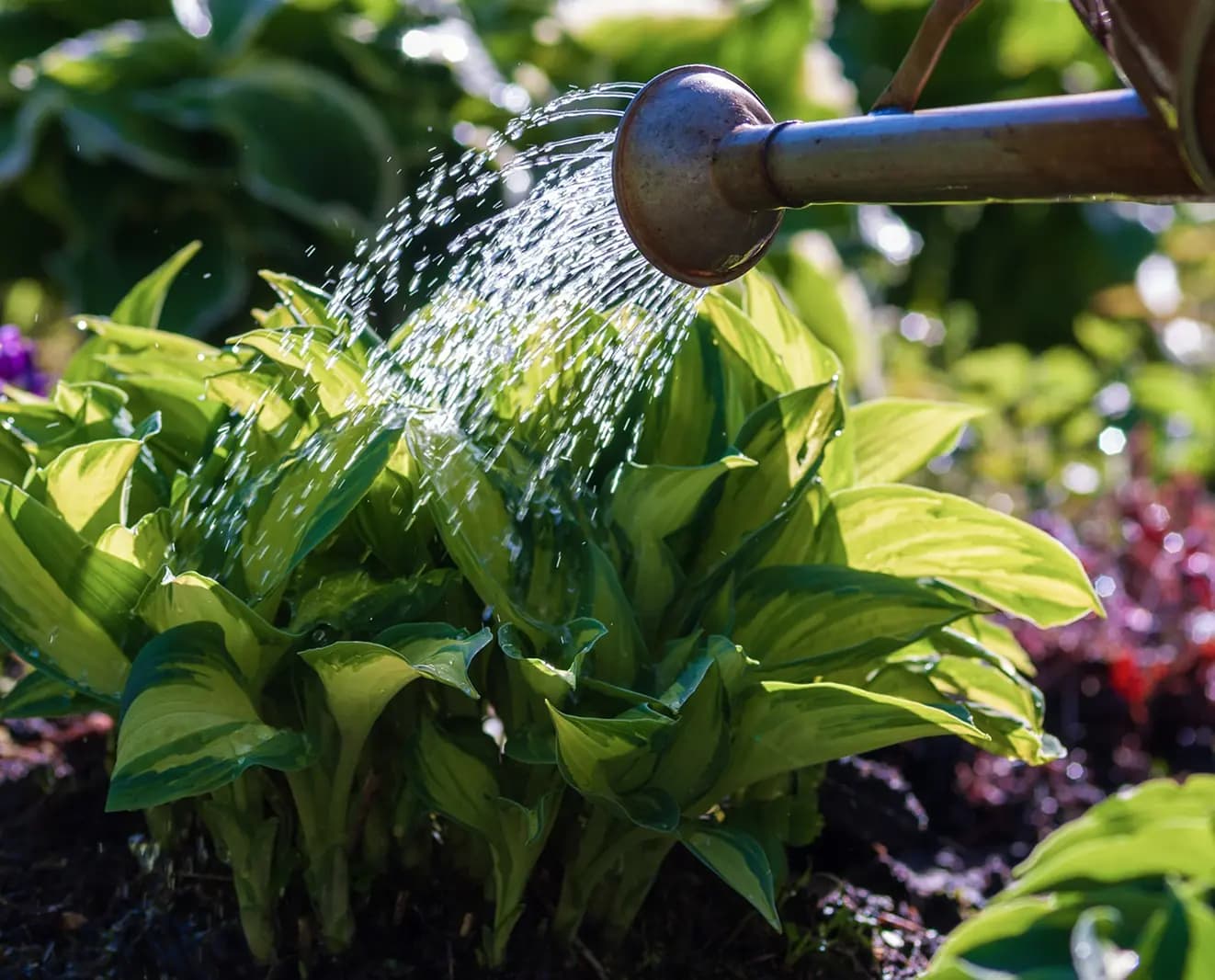
Watering a plant with a copper watering can
12 Best Cold-Hardy Vegetables for Cold Weather

7 min read · 13 Oct 2026

12 Best Cold-Hardy Vegetables for Cold Weather

Cold-hardy vegetables can keep a garden productive through chilly fall, winter, and early spring weather. This guide covers 12 reliable crops, their frost tolerance, and practical growing tips for better cold-season harvests.

Plant Recommendations
12 Best Cold-Hardy Vegetables for Cold Weather
What Do Plants Need to Grow – 5 Things Every Greenery Can't Live Without

8 min read · 31 Jul 2026

What Do Plants Need to Grow – 5 Things Every Greenery Can't Live Without

To keep plants healthy and thriving, provide the right balance of light, humidity, nutrients, airflow, and quality soil. This guide covers the essentials of year-round plant care.

Beginner Guides
What Do Plants Need to Grow – 5 Things Every Greenery Can't Live Without
Top 15 Fast-Growing Trees For Your Garden

13 min read · 28 Jul 2026

Top 15 Fast-Growing Trees For Your Garden

Learn which of the 15 fastest-growing trees will suit your area. We’ll share detailed information on each: growth rate, mature spread, key tree demands, and main vulnerabilities. Read on and make the best choice possible.

Plant Recommendations
Top 15 Fast-Growing Trees For Your Garden