Water-storing trunk base
The swollen base, often called a caudex, is a true water-storage organ that lets the plant survive long dry spells in its native semi-desert habitats of eastern Mexico.


This page explains when, how often, and how much to water Beaucarnea recurvata in straightforward, practical terms.

Water Requirements
Low Water
-1-200x132.webp)
Native to seasonally dry regions of Mexico, this plant is adapted to long stretches of relatively dry soil. Beaucarnea recurvata stores moisture in its swollen base, so it prefers the soil to dry between waterings rather than stay consistently moist.
For indoor watering Ponytail Palm care, think sparse, infrequent moisture, while outdoor plants generally handle slightly more natural rainfall. This section introduces how to water Ponytail Palm in simple terms before moving into more specific guidance later.
Let the soil dry almost completely, then water when the top 2–3 inches (5–8 cm) feel dry and the pot feels noticeably lighter. In bright indoor light this typically means watering about every 2–4 weeks, less often in winter or if the plant is kept in a cooler room.
Water Ponytail Palm when the top 2-3 inches of soil feel completely dry, using a slow, targeted soak around the roots.
Incorrect moisture levels can stress Beaucarnea recurvata and trigger several avoidable health problems indoors.
Shriveling at the swollen base signals extended underwatering or a potting mix draining excessively fast.
Brown-yellow tips on older leaves often reflect chronic overwatering or consistently soggy, compacted soil.
Spongy, discolored trunk near soil line typically indicates root or stem rot from persistent saturation.
Rapid shedding of several leaves may follow repeated deep drought cycles or irregular, infrequent soakings.
Slow or minimal foliage development often results from prolonged dryness combined with a very tight container.
Let the mix dry deeply between thorough waterings, favoring drought tolerance over prolonged soil saturation.
Inconsistent or unsuitable watering habits can stress Beaucarnea recurvata, weakening its swollen base and long-term storage capacity.
Aim for deep but infrequent watering into a sharply draining mix, letting it dry significantly between soakings to support healthy storage tissues.
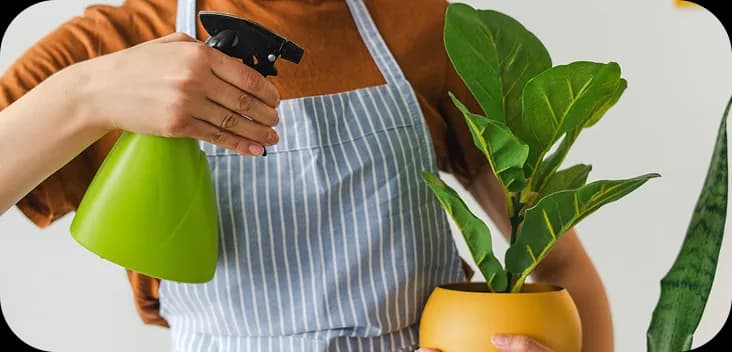
Plant Water Guide
Learn how much water your plant needs and keep its routine on track
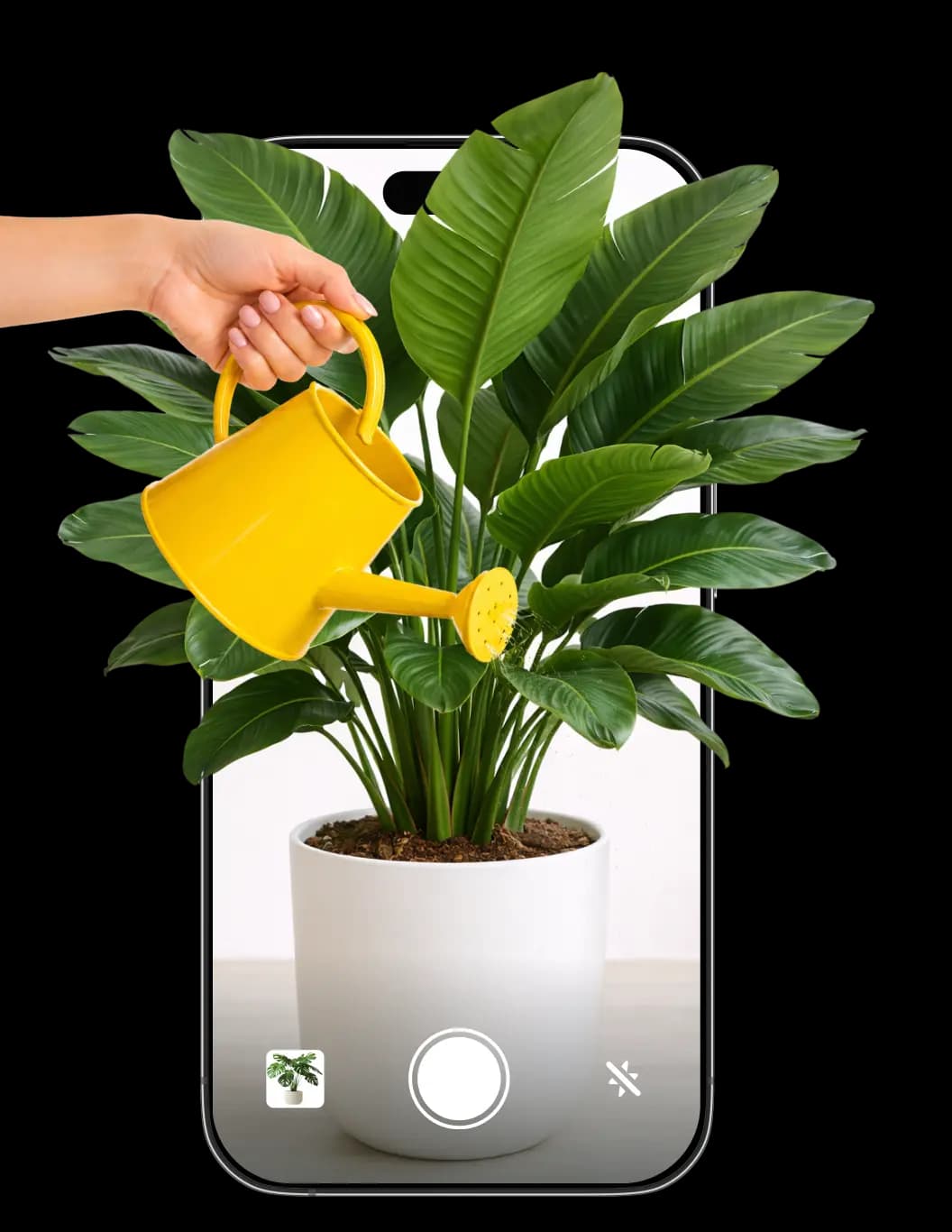
Use Botan for a clear watering guide and simple care steps for your Ponytail Palm. The app can also review plant photos to help catch potential issues early.
The swollen base, often called a caudex, is a true water-storage organ that lets the plant survive long dry spells in its native semi-desert habitats of eastern Mexico.
In its native range, most active growth follows seasonal rains, with the plant remaining relatively dormant and using stored water during prolonged dry periods.
In habitat, it often grows in rocky, shallow soils where its relatively sparse, surface-skimming roots quickly absorb brief rains rather than tapping deep groundwater.
Water thoroughly right after transplanting to settle the soil around the roots, then let the top 2–3 inches dry completely before the next drink. After that, resume normal, sparse Ponytail Palm watering on its usual schedule.
Use Botan to review your watering pattern and adjust it with more confidence.
8 min read · 31 Jul 2026
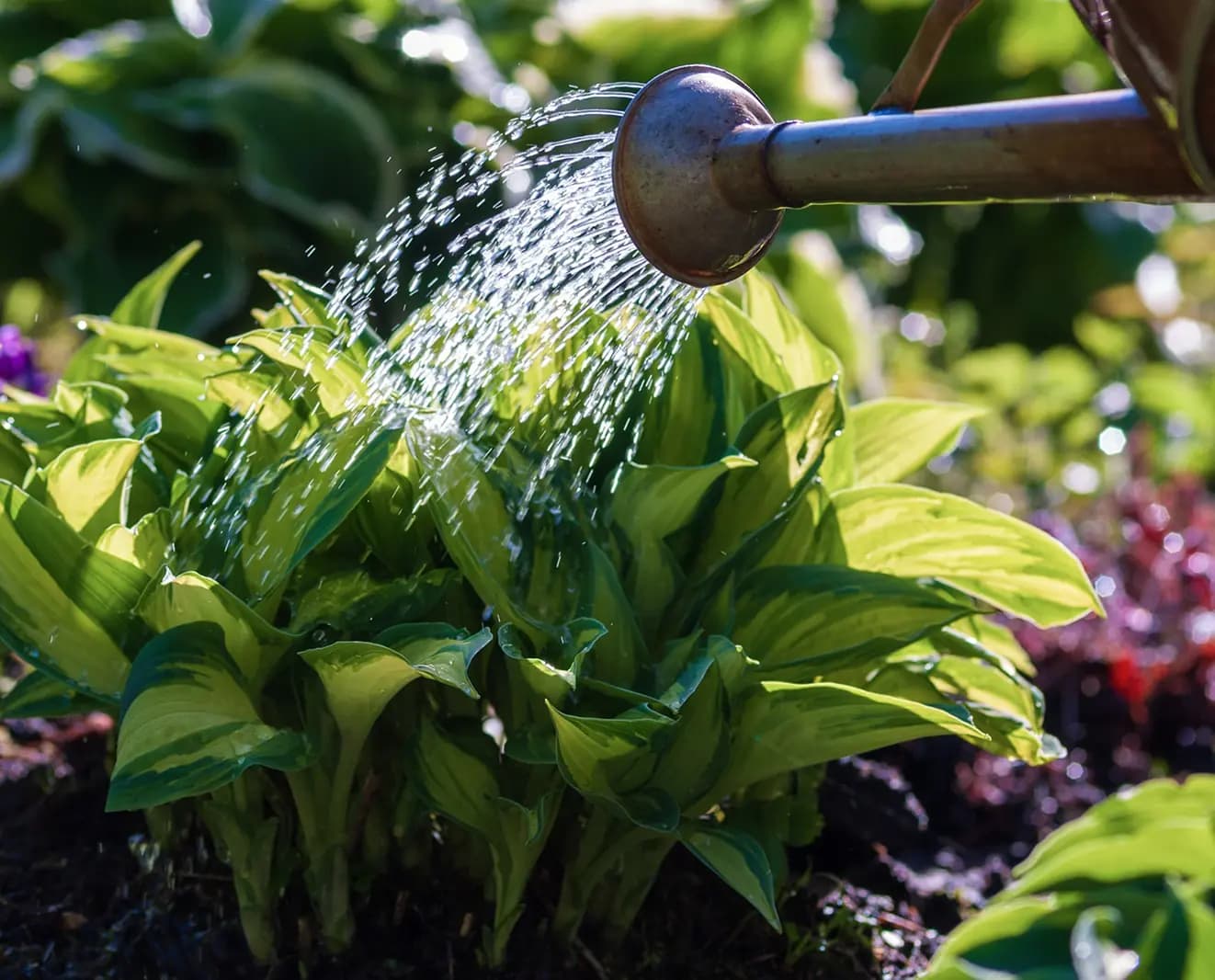
To keep plants healthy and thriving, provide the right balance of light, humidity, nutrients, airflow, and quality soil. This guide covers the essentials of year-round plant care.
4 min read · 20 Oct 2026
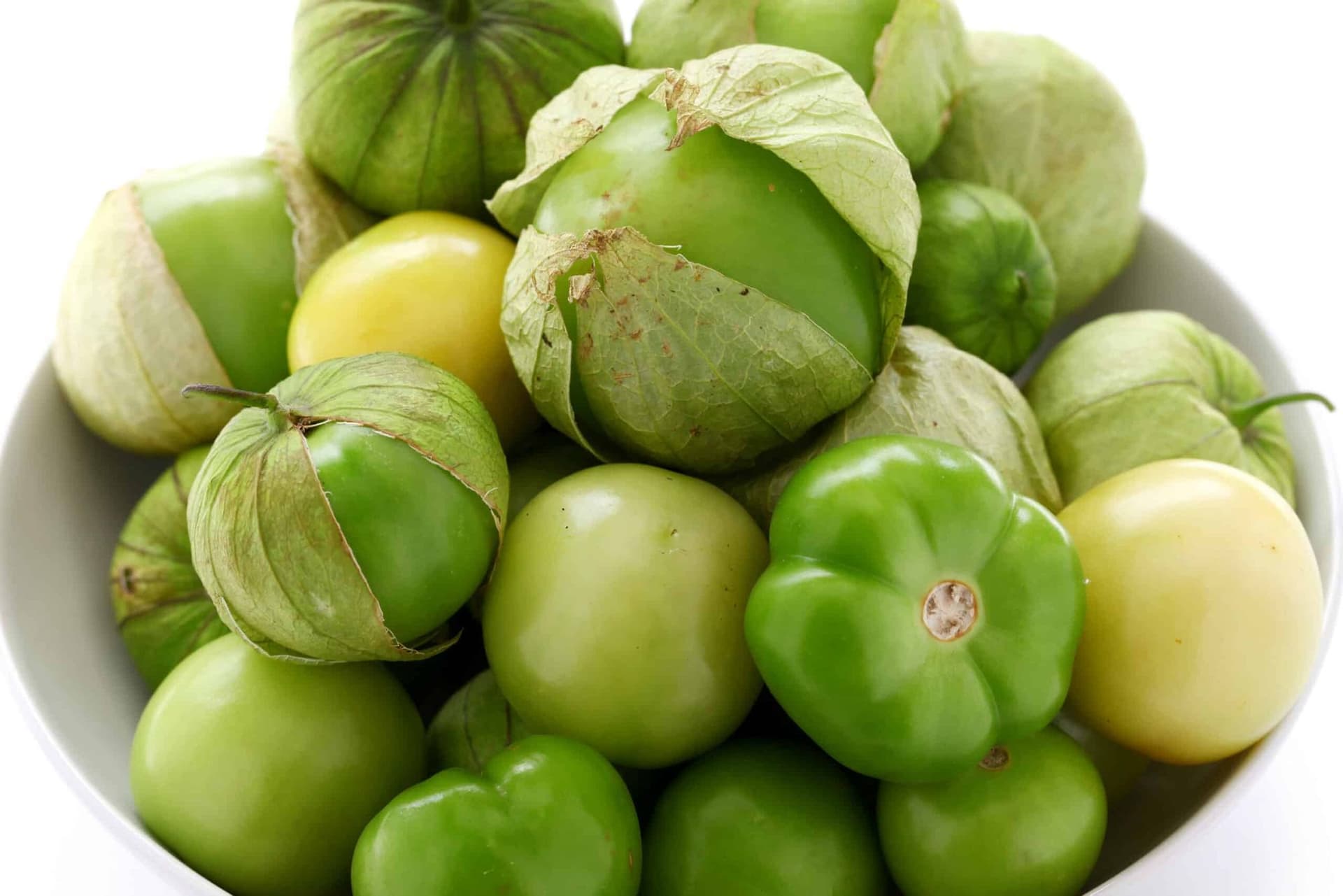
Tomatillos grow inside papery husks, making it hard to judge ripeness at a glance. This guide explains how to know when tomatillos are ripe and offers practical advice on harvesting and storage.
8 min read · 17 Sept 2026
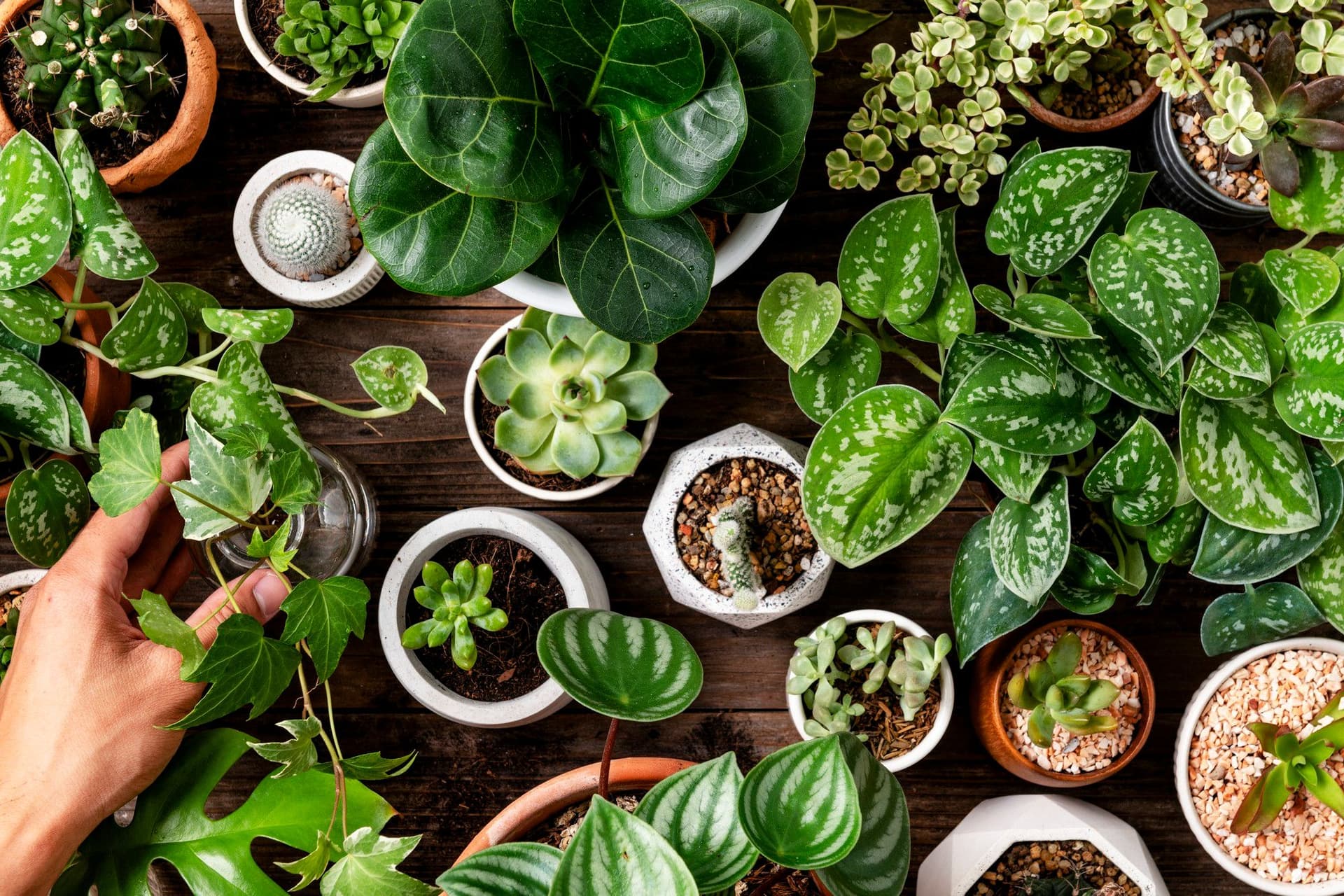
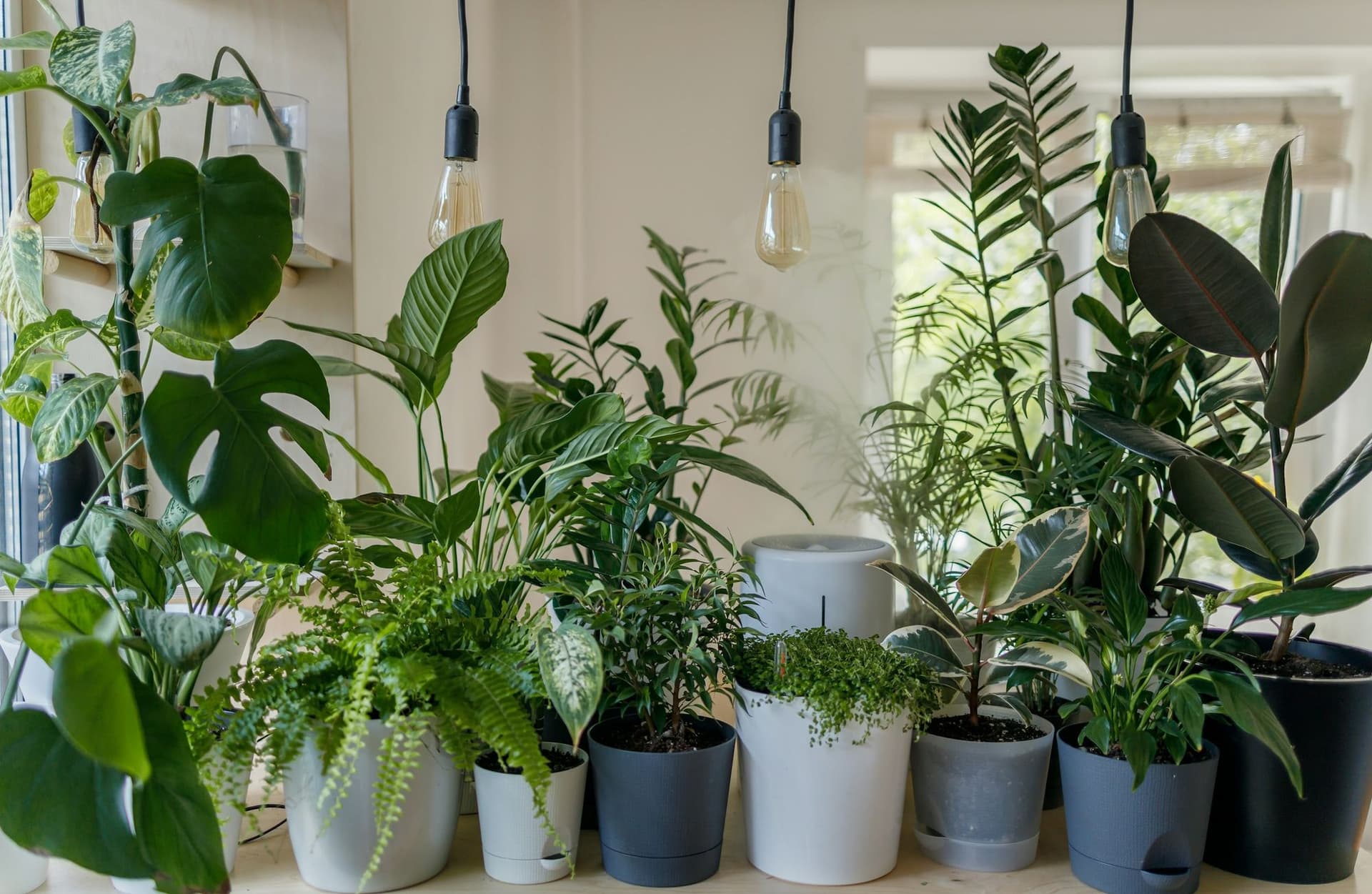
Some plants thrive in dim rooms, shaded corners, and places with indirect light. In this guide, you’ll explore the top 15 species best suited to low-light conditions and how to care for them.