6 min read · 19 Aug 2026
How to Tell if a Plant Is Dead
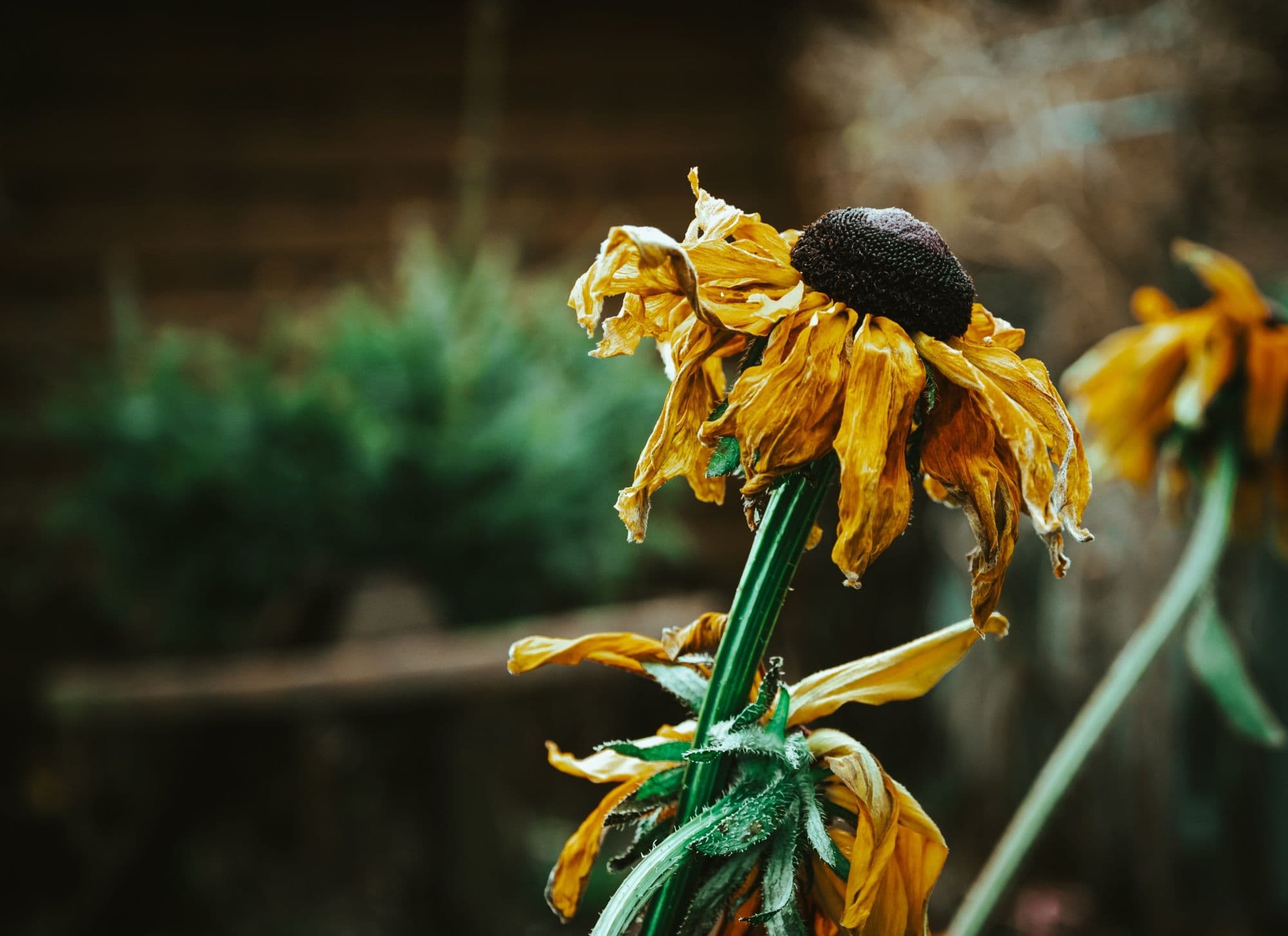
A plant can lose its leaves, stop growing, or collapse and still remain alive. A closer look at the stems, roots, bulbs, and tubers can show whether the plant still has a chance to recover.
For Beaucarnea recurvata, fast-draining, airy soil with a slightly acidic to neutral pH supports healthier roots and steadier long-term growth.

Soil Texture
Sandy, Loamy, Rocky

Soil pH
Slightly acidic (6.5–7.0), Neutral (7.0)

Soil Drainage
Well-drained
-1-200x132.webp)
Native to eastern Mexico, Beaucarnea recurvata grows in dry, sunny areas with sandy, loamy, or rocky ground that drains quickly. Those conditions help explain why Ponytail Palm soil should stay airy and never feel dense or waterholding for long.
This plant stores water in its swollen base, so its roots are better suited to fast-draining, mineral-rich soil than moisture-retentive mixes. The best soil for Ponytail Palm has a loose texture, moderate organic matter, and enough coarse structure to keep oxygen around the roots while excess water moves through easily.

A simple homemade mix gives Beaucarnea recurvata the drainage and root airflow it needs without becoming overly lean or unstable in the pot.
The finished blend should feel loose, gritty, and lightly structured, with water passing through quickly instead of lingering around the roots.
A good target for this species is about 6.5–7.0 pH. That places the soil in the slightly acidic to neutral range, which supports balanced nutrient availability for steady root and foliage growth.
Ponytail Palm can handle a narrow shift around neutral, but extremes may reduce how easily roots take up key nutrients. Keeping pH near this range helps the soil stay chemically stable over time.
This plant is more sensitive to lingering moisture around the roots and swollen base than to slightly lean soil. Check changes in texture, smell, and drying speed early.
If the mix stays wet for a long time or feels dense and sticky, increase airflow around the roots by replacing part of it with a faster-draining medium.
A stale or swampy odor suggests low oxygen in the root zone, so remove the most compacted soil and refresh with a looser blend.
When Beaucarnea recurvata soil pulls from the sides, it has become very dry and resistant, so re-moisten it gradually and evenly before the next full drying cycle.
A hard top layer often points to mineral buildup or repeated compression, so gently break the crust and replace the top section with fresher material.

Plant Soil Guide
Find the right soil mix for your plant and support healthier root growth
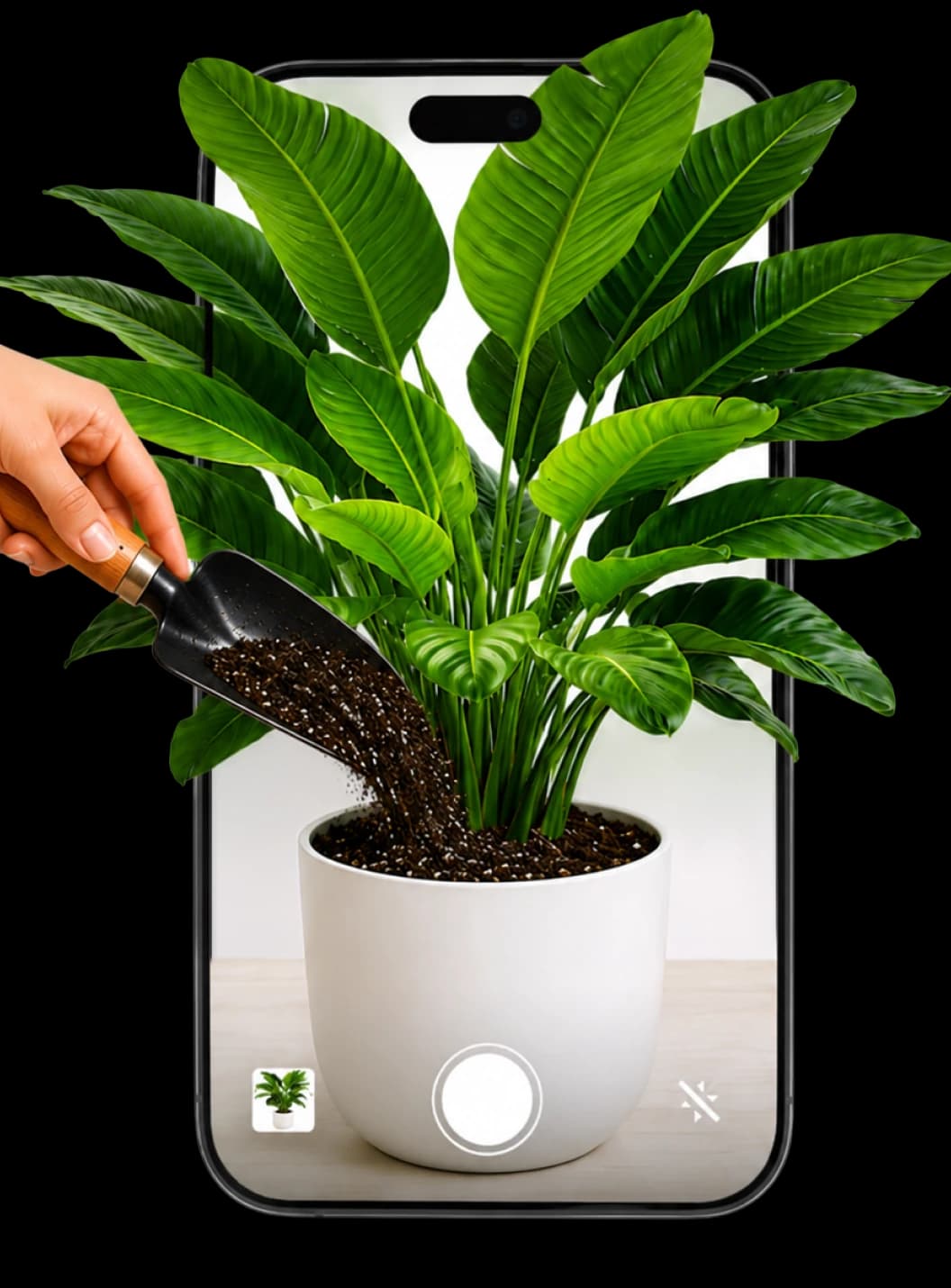
Botan can help identify the plant and guide you toward a soil choice that better matches its growth habit and root needs.
Yes. Drainage holes are strongly recommended because they let excess water leave the container instead of collecting around the roots and swollen base, which helps the mix stay more stable over time.
If a plant looks stressed, Botan’s photo-based check can help you see whether soil may be one factor worth reviewing.


6 min read · 19 Aug 2026
A plant can lose its leaves, stop growing, or collapse and still remain alive. A closer look at the stems, roots, bulbs, and tubers can show whether the plant still has a chance to recover.

8 min read · 9 Oct 2026
Want a garden that looks eerie in October? Here are 15 Halloween plants and fungi, from carnivorous traps to bleeding mushrooms. For each species, we cover its appearance, care requirements, and potential uses in your landscape.

8 min read · 8 Jul 2026
Discover the top 10 houseplants that are suitable for growing in your bedroom. Compare their light and water needs, pet safety, and benefits. Find out where best to place greenery in your relaxation space and what species to avoid.