

Ponytail Palm (Beaucarnea recurvata) Light Needs

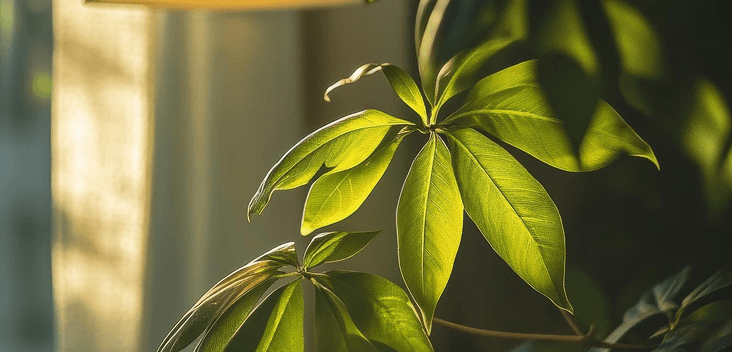
Ponytail Palm grows best in bright indirect light with several hours of gentle direct sun when acclimated.

Light Preference

Bright Indirect Light

Beaucarnea recurvata Light Requirements

Beaucarnea recurvata is native to dry, rocky areas of eastern Mexico, where it grows in open sites with strong sun, high brightness, and periods of seasonal dryness. Young or partially sheltered plants may receive some filtered light, but the species is adapted to much brighter conditions than a typical shaded room. In cultivation, its preferred light is bright indirect light with some direct sun.

  • Ideal exposure:

    Ponytail Palm needs about 6–8 hours of bright indirect light daily, including 2–4 hours of direct morning sun when acclimated.

  • Sun tolerance:

    Mature, acclimated plants can tolerate stronger sun, but sudden full afternoon exposure can scorch leaf tips and upper leaves.

  • Low-light limit:

    It may survive for a while in medium light, but weak light slows growth and encourages leaning.

  • Safer sun:

    Morning sun is safer indoors than hot west-facing afternoon rays, especially after winter or shipping.

Indoors, Ponytail Palm does best near a bright window with some direct sun.

NPoor
North-facing window:

A north-facing window is usually too dim unless it is very large, unobstructed, and close to the plant.

EBest
East-facing window:

An east-facing window gives gentle morning sun and bright light for much of the day, which is usually ideal indoors.

SSuitable
South-facing window:

A south-facing window is suitable if the plant is set 2–4 ft back or filtered during the harshest midday sun.

WConditional
West-facing window:

A west-facing window can work, but hot afternoon sun may need a sheer curtain or extra distance from the glass.

Choose the brightest position available, then adjust distance if the leaves show sun stress.

Strong sun can mark the leaves, especially after a sudden move.

Bleached streaks:

Pale tan or whitish patches may appear on the side facing the window after intense direct sun.

Crisp leaf tips:

Dry, straw-colored tips can develop faster when hot afternoon rays concentrate through glass.

Scorched arching leaves:

Upper leaves may show narrow brown bands where they were exposed to harsh sun at the same angle.

Faded green color:

Newer leaves may look dull or washed out when brightness rises faster than Beaucarnea recurvata can adjust.

Move it back 2–4 ft from the glass or filter the sun with a sheer curtain. Reintroduce direct sun gradually over 1–2 weeks.

Low light usually shows as weak structure rather than sudden decline. Changes are often gradual.

  • Leaning crown:

    The top may angle toward the brightest side when the available light is too weak.

  • Softer new leaves:

    Fresh leaves may emerge longer, thinner, and less firm than growth made in brighter conditions.

  • Small new growth:

    New leaves can stay narrow or sparse during the active growing season.

  • Slow seasonal growth:

    Beaucarnea recurvata may make little visible progress in spring and summer when light remains low.

Move it closer to the brightest suitable light source, or increase exposure with a gradual shift. Avoid moving a dim-grown plant straight into strong afternoon sun.

If ideal sun is not available, choose the brightest spot that still keeps the leaves out of harsh afternoon rays. A few hours of morning sun is a better compromise than a dim corner.

Rotate the pot a quarter turn every 1–2 weeks so the crown stays balanced and does not lean toward one light source.

Do not keep it several feet from a small or shaded window; that setup usually cannot meet Beaucarnea recurvata light needs.

Get Personalized Care Plan

Scan your plant to receive care tips personalized for your specific plant

FAQ

The best light for Ponytail Palm is bright indirect light for most of the day, with 2–4 hours of gentle direct sun if the plant has been acclimated.

Everything About Ponytail Palm

More Plant Light Guides

Get the Botan App

Discover how to care for your plants with Botan.

Botan app identifying a plant with a phone camera
Best Water for Plants – How to Choose the Right Type

7 min read · 13 Aug 2026

Best Water for Plants – How to Choose the Right Type

Rainwater, filtered, distilled, and tap water affect plants differently. Learn which types support healthy growth and which cause slow damage. Match each to your plants and discover how to easily improve tap water quality.

Plant Care
Best Water for Plants – How to Choose the Right Type
How to Repot a Plant: A Step-by-Step Guide

7 min read · 28 May 2026

How to Repot a Plant: A Step-by-Step Guide

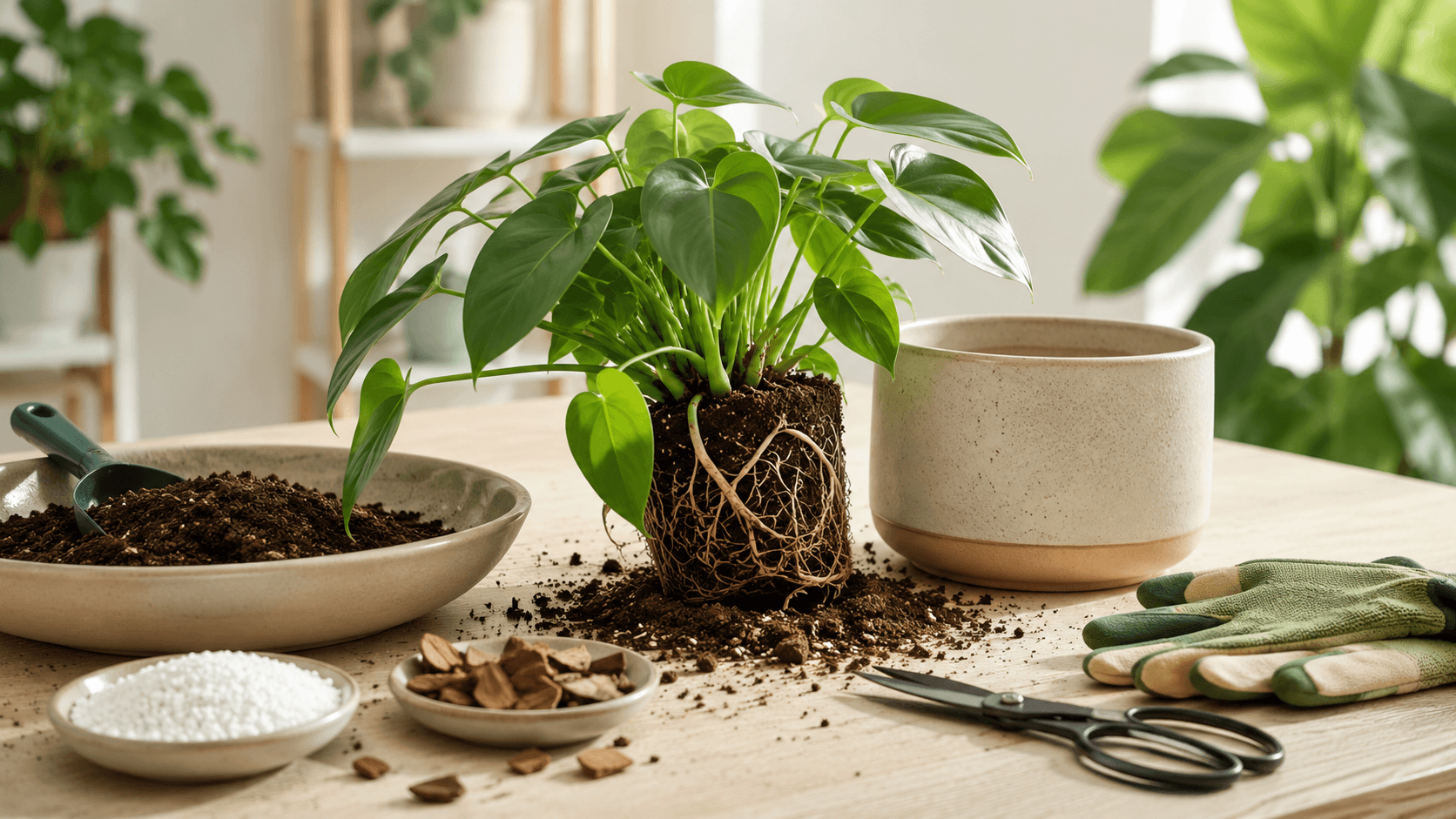
In spring, many plants need repotting—an essential part of care. To avoid stress, consider the plant’s type and size. This article offers a step-by-step guide for repotting indoors or outdoors and shows how to check plant health and get care tips using the Botan app.

Plant Care
How to Repot a Plant: A Step-by-Step Guide
What Do Plants Need to Grow – 5 Things Every Greenery Can't Live Without

8 min read · 31 Jul 2026

What Do Plants Need to Grow – 5 Things Every Greenery Can't Live Without

To keep plants healthy and thriving, provide the right balance of light, humidity, nutrients, airflow, and quality soil. This guide covers the essentials of year-round plant care.

Beginner Guides
What Do Plants Need to Grow – 5 Things Every Greenery Can't Live Without