ZZ Plant (Zamioculcas zamiifolia) Watering Guide

This page explains when, how often, and how much to water Zamioculcas zamiifolia for straightforward, dependable care.

Water Requirements

Low Water

Zamioculcas zamiifolia Watering

Native to seasonally dry regions of eastern Africa, Zamioculcas zamiifolia is adapted to long stretches of low moisture. Indoors, it prefers soil that dries between watering sessions rather than staying consistently damp.

For watering ZZ Plant, think light, infrequent moisture that mimics dry periods followed by modest rainfall. This section outlines how to water ZZ Plant indoors and how outdoor container care mainly differs in exposure and evaporation rate.

Let the top 1–2 inches (3–5 cm) of soil dry out completely before watering again; the mix should feel dry, not cool or slightly damp. Indoors, this usually means watering about every 2–4 weeks. In lower light or cooler seasons, intervals often stretch longer; bright, warm rooms shorten them.

Water ZZ Plant when the top 2–3 inches (5–7 cm) of soil feel completely dry, using a thorough but controlled soak.

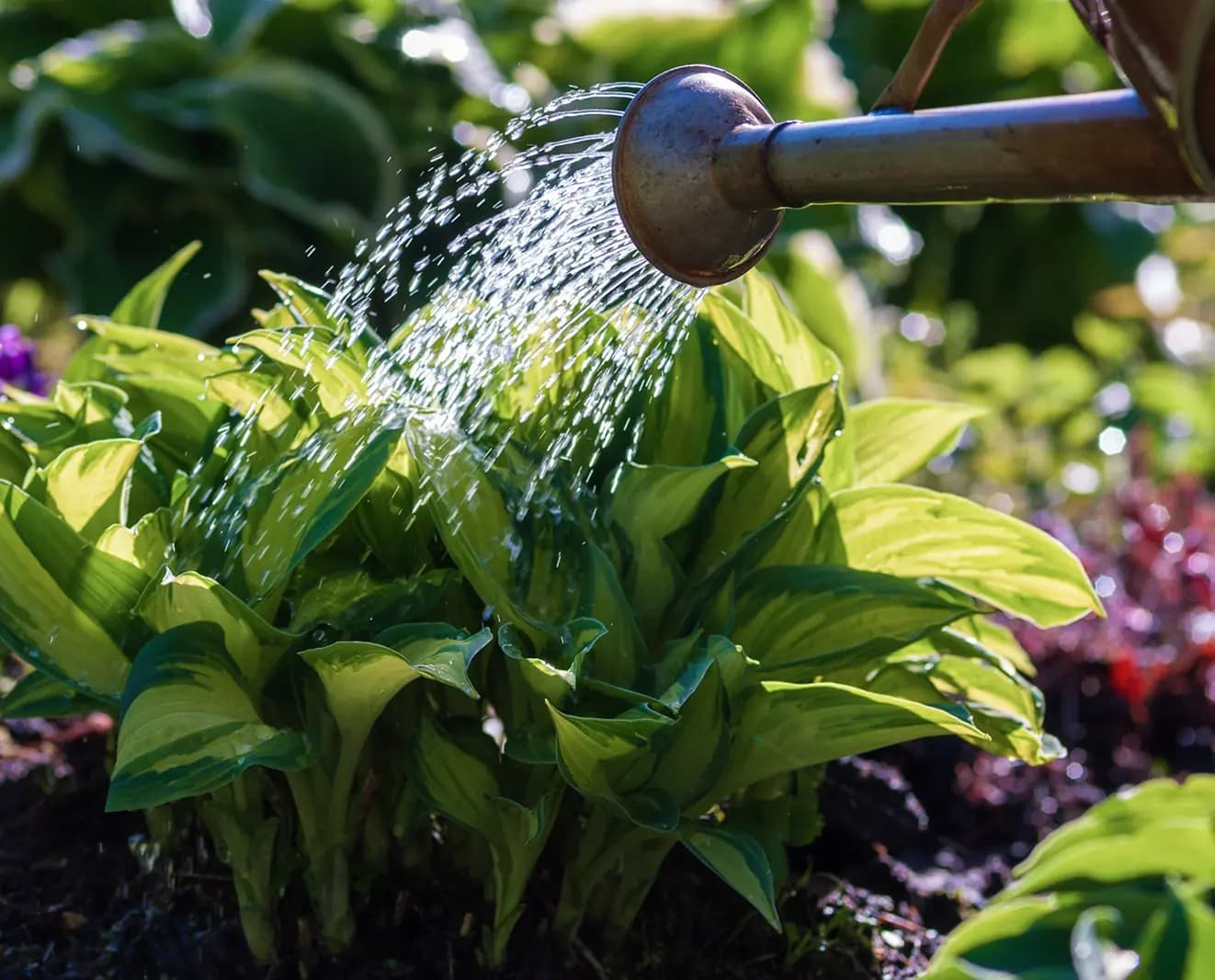
  • Pour room-temperature water slowly over the soil surface until it runs from the drainage holes, fully soaking the root zone.
  • Rotate the pot as you water so all sides of the root ball receive moisture, not just one area.
  • Let the pot drain freely for several minutes, then empty any water collected in the saucer or decorative cachepot.
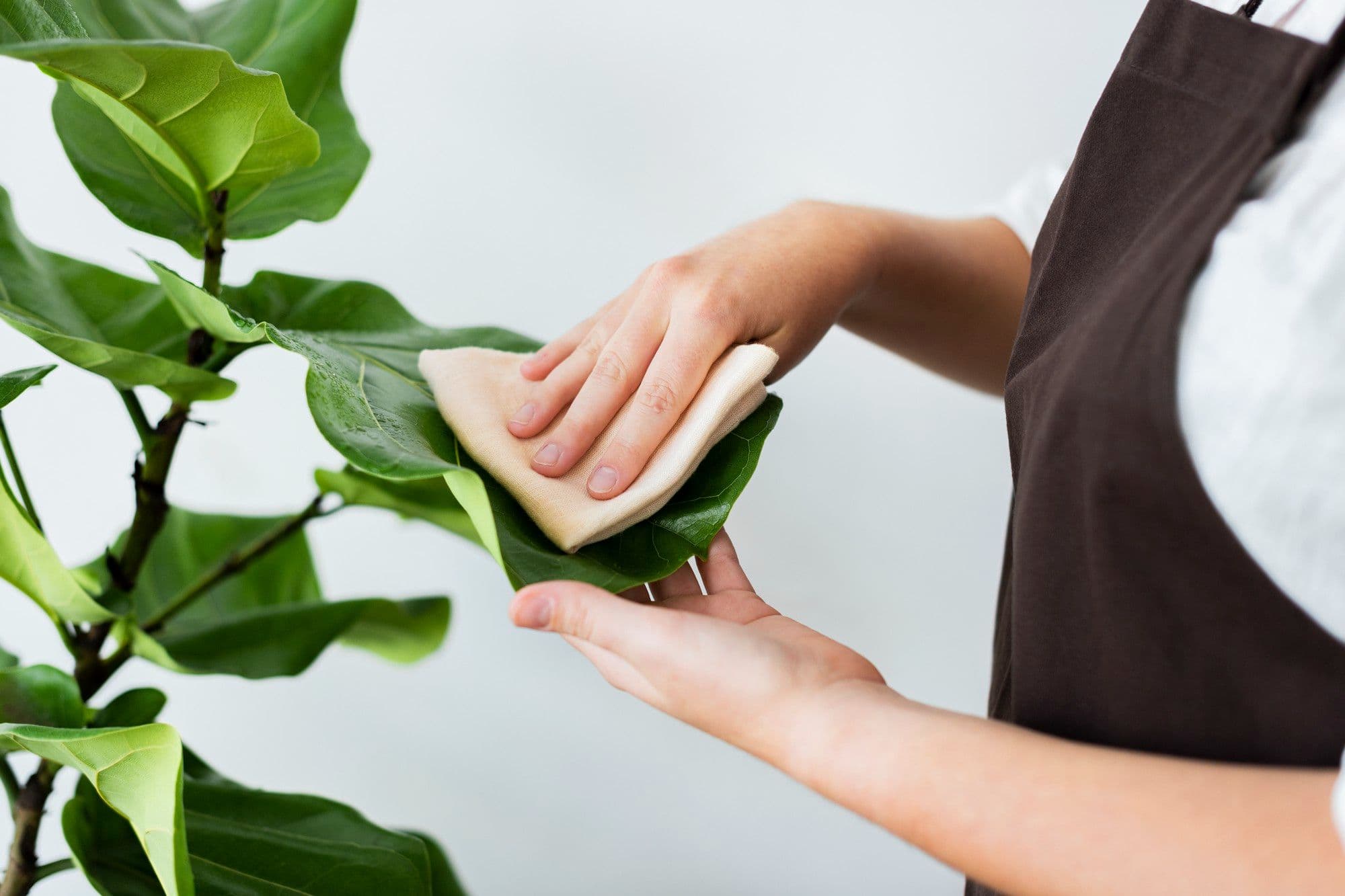
  • Keep water directed at the soil only, avoiding the leaves and stems to reduce moisture sitting on plant surfaces.

Improper moisture balance can stress Zamioculcas zamiifolia, weakening growth and inviting avoidable problems.

Yellowing Lower Leaves:

Older leaflets gradually turn yellow and mushy from persistent overwatering and poorly drained, soggy soil.

Wrinkled, Curling Leaflets:

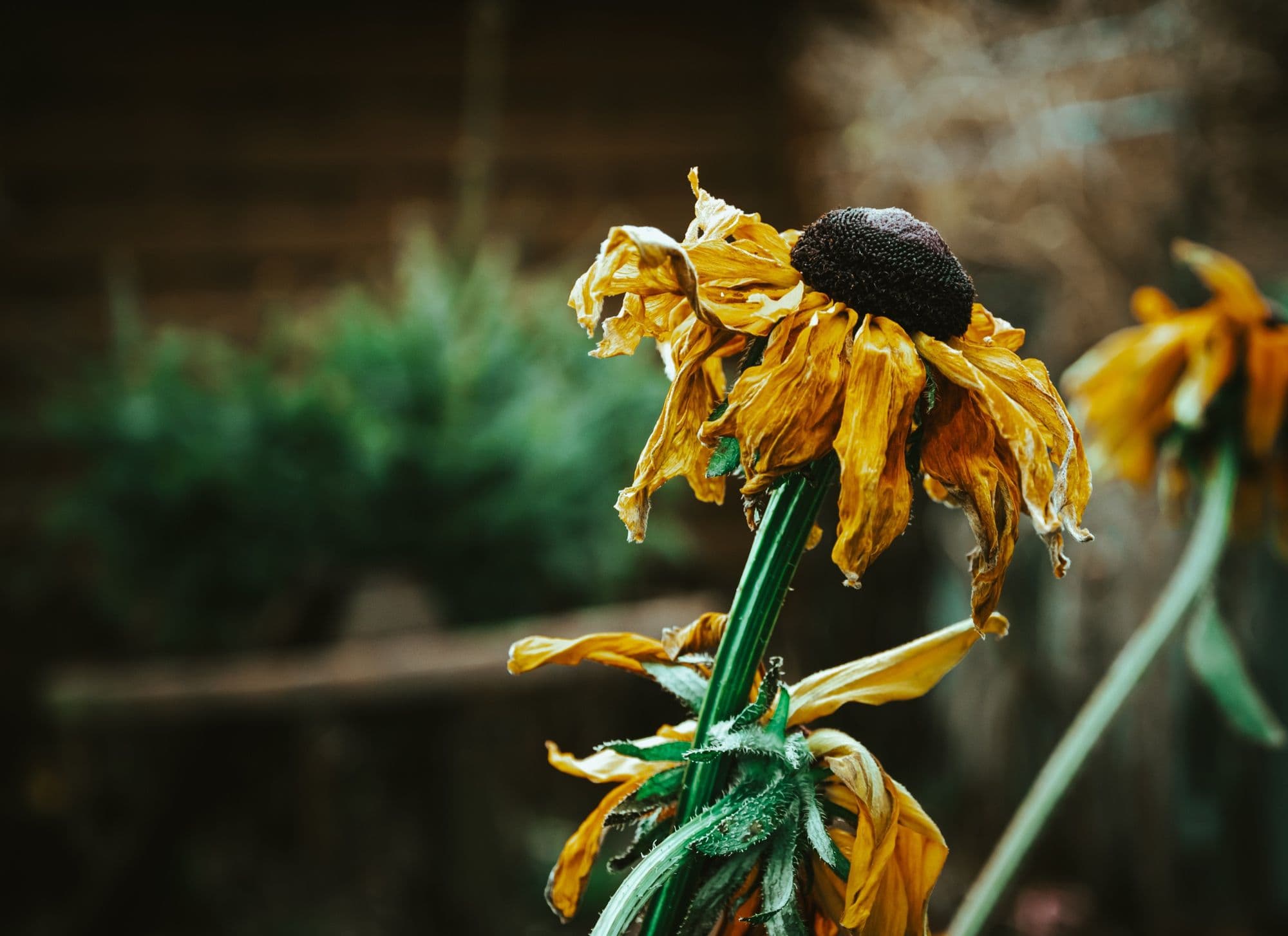
Firm but wrinkled or inward-curling leaflets signal underwatering and long, bone-dry periods between soakings.

Soft, Rotting Rhizomes:

Bulb-like rhizomes feel soft or hollow when chronic saturation and poor drainage trigger root decay.

Brown Leaf Tips:

Dry, crisp tips develop from inconsistent watering, allowing repeated partial drought followed by sudden heavy soaking.

Moldy Soil Surface:

White or gray fuzz on potting mix indicates excess moisture, limited airflow, and infrequent soil drying.

Keep soil lightly moist, not wet, allowing the potting mix to dry moderately between thorough waterings.

Unsuitable watering habits can stress Zamioculcas zamiifolia, weakening its natural drought tolerance and making it more vulnerable to long-term decline.

  • Watering by calendar: Following a strict schedule instead of checking soil moisture keeps roots constantly wet; wait until most of the mix feels dry before watering again.
  • Dense, moisture-heavy soil: Using peat-heavy or compact soil traps water around rhizomes; switch to a gritty, fast-draining mix with added perlite or pumice.
  • No drainage or saucer pooling: Keeping the plant in a container without drainage, or leaving runoff in the saucer, suffocates roots; discard excess water promptly.

For this species, water deeply but infrequently, letting the mix dry significantly between waterings while ensuring quick drainage and no standing water.

  • Spring: As new shoots appear and days brighten, let the top half of the pot dry, then water slightly more often than in winter.
  • Summer: In warm, bright rooms, monitor soil more closely and water when halfway dry; in cool, low light, keep the winter-style schedule.
  • Fall: Growth slows as light drops, so extend the drying period before watering and reduce how often the soil is rehydrated.
  • Winter: With low light and slower metabolism, allow the mix to dry deep and water sparingly, especially in cool, draft-free rooms.

Your Assistant for Proper Watering

Use Botan for a clear watering guide and care steps for Zamioculcas zamiifolia, plus gentle photo-based checks that can help spot leaf problems and other issues early.

Botan plant care app — identify plants on mobile

Interesting Watering Facts

Semi-succulent water storage

Zamioculcas zamiifolia has thick rhizomes and fleshy leaf stalks that store water, an adaptation to its native East African habitats with irregular rainfall, which allows it to tolerate extended dry periods between waterings indoors.


Adapted to shaded dryness

In its native range, Zamioculcas zamiifolia often grows in shaded forest or thicket understories where soil can dry between brief rains, so it is adapted to relatively low light combined with infrequent but deep watering.

Rainfall-triggered growth flush

Field observations in East Africa show Zamioculcas zamiifolia putting out new leaf growth after periods of increased rainfall, reflecting its natural cycle of drought-tolerant dormancy followed by active growth when moisture becomes more available.

FAQ

This species tolerates mild underwatering much better than excess moisture. Overwatering leads to root rot and yellow, mushy stems. Err on the dry side and focus on thorough but infrequent watering cycles.

Is Your Watering Routine Hurting Your ZZ Plant?

Botan reviews your watering pattern and suggests adjustments for healthier moisture levels.

Watering a plant with a copper watering can
10 Best Plant Care Apps to Keep Your Plants Healthy in 2026

13 min read · 15 Jul 2026

10 Best Plant Care Apps to Keep Your Plants Healthy in 2026

We’ve tested, reviewed, and compared the most popular, high-quality plant care apps to make it easier for you to find the best one. Explore the features, see how they meet your priorities, and make an informed choice.

Plant Recommendations
10 Best Plant Care Apps to Keep Your Plants Healthy in 2026
Plants That Repel Mosquitoes – 10 Effective Choices

8 min read · 6 Jul 2026

Plants That Repel Mosquitoes – 10 Effective Choices

Plants that repel mosquitoes can help mask human scent naturally and make outdoor spaces more comfortable. Explore the most effective options, their benefits and drawbacks, and choose the right plant for your space.

Plant Recommendations
Plants That Repel Mosquitoes – 10 Effective Choices
What Plants Don't Like Epsom Salt?

11 min read · 29 Jul 2026

What Plants Don't Like Epsom Salt?

Learn which plants can be seriously damaged by Epsom salt and which will thrive on it. We’ll explain when and how to use it properly, provide tips for indoor & outdoor plants — read on and enjoy a healthy garden.

Plant Care
What Plants Don't Like Epsom Salt?