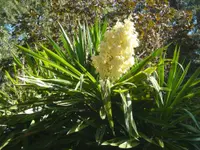
Hair muffles dew
The long white hairs trap cool night air around the stem, which helps reduce water loss from the surface in its hot, arid Mexican habitat. This insulation effect makes it more tolerant of infrequent watering in cultivation.

This page outlines when, how often, and how much to water Cephalocereus senilis for straightforward, effective care.

Water Requirements
Low Water
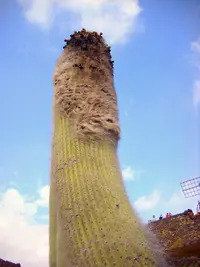
In its native arid habitat, Old man cactus experiences brief rain followed by long dry periods in very free‑draining soil. Cephalocereus senilis therefore prefers the soil to dry noticeably between waterings rather than staying evenly moist.
As a basic approach to watering Old man cactus, allow substantial drying, then rehydrate the potting mix in one thorough session. Indoors and outdoors, the principle is similar, but indoor plants usually need closer observation of drying speed.
Let the soil dry out completely between waterings; the mix should feel dry down at least 1–2 inches (3–5 cm). In bright, warm conditions, Old man cactus typically needs water about every 3–5 weeks, with longer gaps in winter dormancy or cooler rooms.
Water Old man cactus when the top half of the potting mix feels completely dry, using a slow, directed soak.
Incorrect moisture levels can disturb Cephalocereus senilis health, weakening roots and stressing tissues.
Deep vertical wrinkling and softness indicate prolonged dryness; water thoroughly and review potting schedule.
Pale, yellow lower stem often signals lingering moisture near roots and restricted oxygen availability.
Soft, dark, collapsing spots suggest rot from chronic overwatering; improve drainage and reduce frequency.
Foul smell and black roots reveal advanced rot, requiring unpotting, trimming, and fresh dry substrate.
Allow soil to dry almost completely, then water deeply, avoiding persistent moisture around the root zone.
Unsuitable watering habits can stress Cephalocereus senilis, weakening growth and making Old man cactus more vulnerable to long-term decline.
Aim for fast-draining soil, thorough but infrequent watering, and completely dry intervals, adjusting to light, temperature, and seasonal growth.

Watering Check
Not sure if your plant needs water? Check its watering needs inside the app.
Use Botan for a simple watering guide and care steps tailored to Cephalocereus senilis, plus gentle photo-based checks that can help flag early signs of stress or pests.
The long white hairs trap cool night air around the stem, which helps reduce water loss from the surface in its hot, arid Mexican habitat. This insulation effect makes it more tolerant of infrequent watering in cultivation.
In its native Hidalgo and Veracruz regions, it grows during the summer rainy season and stays mostly dormant in the dry winter. Under cultivation, it responds best when most watering is concentrated in warm, bright months, then kept almost dry in winter.
Stop watering, then let the soil dry completely. Remove from the pot, trim any black or mushy roots, and repot into fresh, dry cactus mix. Resume light watering only when the mix is fully dry again.
Botan reviews your watering pattern so you can adjust with more confidence.
7 min read · 11 Aug 2026
Irrigation needs change as roots establish and weather shifts. This guide gives practical starting intervals, explains how soil and tree type change them, and shows how to recognize both excess moisture and drought stress.

12 min read · 7 Aug 2026
A front yard tree can stay for decades. Therefore, choosing one deserves serious consideration. Here are 13 trees that have proven themselves, sorted by their purpose. You'll also find five species to avoid and basic planting information.
6 min read · 18 Aug 2026
The right fertilizer in summer can make a lawn thrive. The wrong one can damage it. Here, you’ll learn the best NPK ratios by grass type, when and how to apply your formula, and how to recognize the signs of over- or under-fertilizing.