




Lace aloe (Aristaloe aristata) Watering Guide

This page explains when, how often, and how much to water Aristaloe aristata in clear, practical terms.

Water Requirements

Low Water

Aristaloe aristata Watering

This compact succulent comes from seasonally dry habitats, so soil moisture is naturally brief and infrequent. Aristaloe aristata prefers drying between waterings, rather than steady dampness or swampy conditions.

In practice, watering Lace aloe means a simple soak-and-wait rhythm, letting the mix dry before adding more. Indoor and outdoor plants follow the same basic pattern, though indoor pots usually dry more slowly.

Let the soil dry out almost completely before watering again; check that the top 1–2 inches (3–5 cm) feel dry. In bright indoor light, Lace aloe typically needs water every 2–4 weeks, with shorter intervals in hot summer conditions and longer gaps during cooler, low‑light periods.

Water Lace aloe when the top half of the potting mix is dry, using a slow, targeted soak-and-drain approach.

  • Pour room-temperature water slowly over the soil surface around the plant, avoiding the central rosette and leaf bases.
  • Continue adding water until it runs from the drainage holes, ensuring the entire root zone is evenly moistened.
  • Let the pot drain freely for several minutes, then empty saucers or cachepots so the container does not sit in standing water.
  • For small pots, bottom-water by setting the container in 1-2 inches (3-5 cm) of water, then remove after absorption.

Incorrect moisture balance can create several health issues for Aristaloe aristata indoors or outdoors.

Mushy Translucent Leaves:

Soft, water-soaked foliage usually indicates chronic overwatering and poor drainage, often leading to internal tissue collapse.

Shriveled Curving Leaves:

Thin, curling foliage commonly results from prolonged dryness, requiring deeper, less frequent, soak-through watering sessions.

Blackened Root Zone:

Dark, foul-smelling roots and soggy mix point to root rot, needing immediate unpotting and trimming.

Pale Slow-Growing Rosette:

Lightened color with minimal new growth often reflects mildly waterlogged soil and insufficient drying intervals.

Leaf Tip Browning:

Dry, brown tips frequently arise from underwatering or fast-evaporating soil, especially in hot, bright conditions.

Let the mix dry almost completely between thorough soakings, using sharply draining soil and unobstructed drainage holes.

Unsuitable watering habits can cause Aristaloe aristata to decline by stressing its shallow roots and disrupting normal moisture balance.

  • Watering by schedule: Following a rigid calendar makes the soil stay wet too long; instead, water only when the mix is fully dry below the surface.
  • Dense, moisture-holding soil: Using regular potting soil traps water around the roots; choose a gritty cactus mix or add extra perlite for faster drainage.
  • Letting saucers stay full: Leaving runoff in the saucer keeps the root zone saturated; always empty excess water within a few minutes after watering.

Safe watering for lace aloe means fast-draining soil, a brief soak, and then a thorough dry-out before adding moisture again.

  • Spring: Growth usually picks up; let soil dry fully, then water thoroughly, slightly more often if strong light and active new leaves appear.
  • Summer: Heat speeds drying, but intense sun can stress roots; allow deep drying between waterings and reduce if leaves wrinkle from sun, not thirst.
  • Fall: Growth slows as days shorten; extend drying time between waterings and avoid soaking if indoor light drops or temperatures cool.
  • Winter: Plant rests in cooler, lower light; water sparingly after complete drying, and skip if rosettes stay firm and soil feels cold.

Not Sure When to Water? Botan Knows

Use Botan for a simple watering guide and care routines for Lace aloe, plus gentle photo-based checkups that can help spot early signs of stress or other plant issues.

Botan plant care app — identify plants on mobile

FAQ

In heat, increase monitoring rather than watering on a schedule. Let soil dry fully, then water deeply. Hot, dry, windy conditions may shorten drying time, so check soil moisture more often without keeping it constantly damp.

More Plant Watering Guides

Is Your Watering Routine Hurting Your Lace aloe?

Botan quickly reviews your watering pattern and suggests simple adjustments if needed.

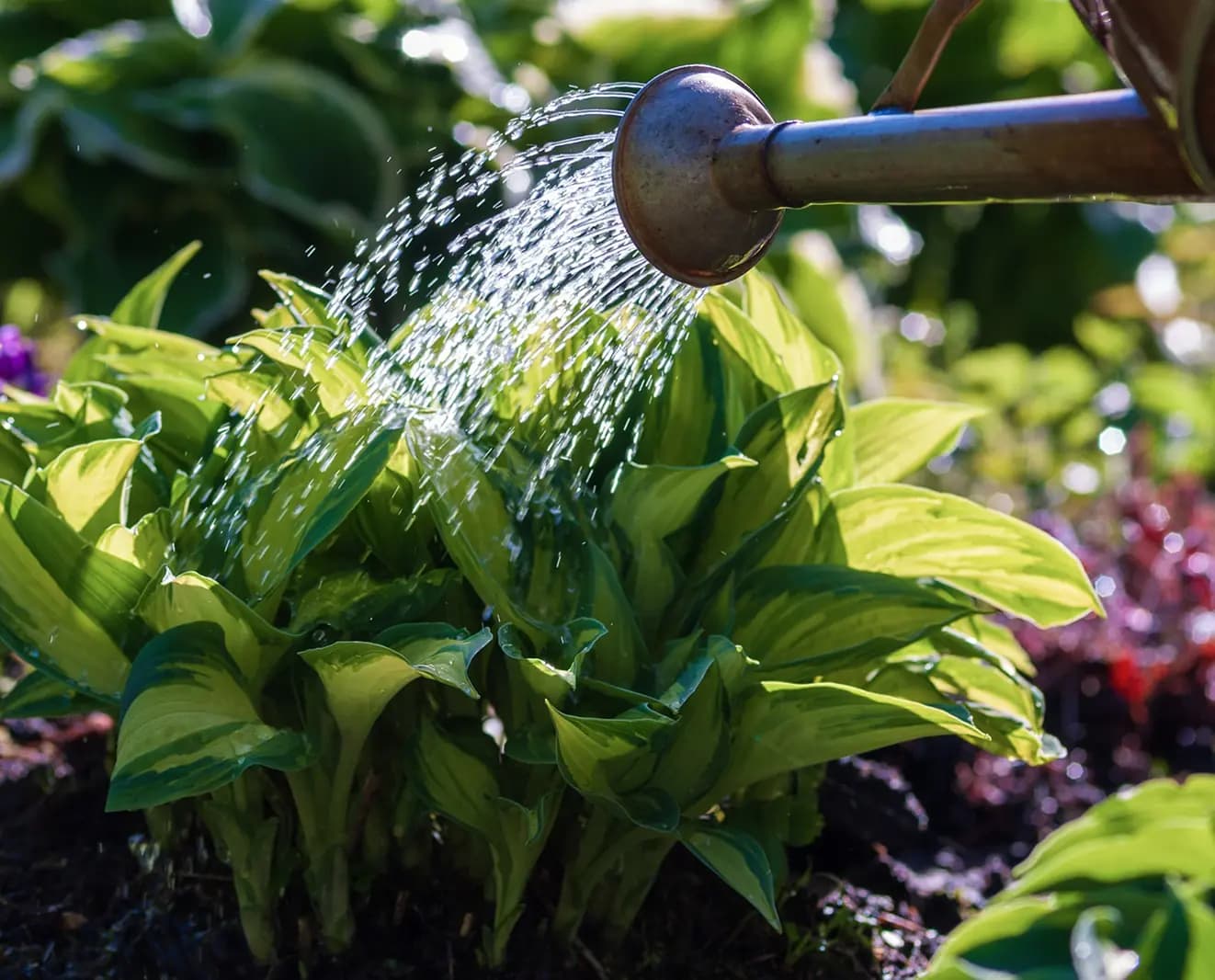
Watering a plant with a copper watering can
12 Best Plants That Repel Spiders For Your Home and Garden

8 min read · 24 Jul 2026

12 Best Plants That Repel Spiders For Your Home and Garden

Spiders constantly appear in places you don't want them. A few common plants can help repel them using scent alone. Here are 12 options suitable for both indoors and outdoors, plus care tips for each.

Plant Recommendations

12 Best Plants That Repel Spiders For Your Home and Garden
Banana Peel Water for Plants: 5 Things to Know Before Trying It

5 min read · 9 Jul 2026

Banana Peel Water for Plants: 5 Things to Know Before Trying It

Banana water can provide potassium and some nutrients that may support plant growth, but it is not a universal fix. Use it carefully and only when the plant actually shows signs of nutrient deficiency rather than as a routine treatment.

Plant Care
Banana Peel Water for Plants: 5 Things to Know Before Trying It
How to Group Plants in Landscaping: A Practical Layout Guide

8 min read · 31 Aug 2026

How to Group Plants in Landscaping: A Practical Layout Guide

Good plant grouping can mean the difference between a well-planned garden and one that looks sloppy. This guide explores layers, spacing, cluster shapes, and the plants that thrive when you group them.

Plant Care
How to Group Plants in Landscaping: A Practical Layout Guide