
Seasonal drought rhythm
In its native Madagascar habitats, Pachypodium lamerei grows during the warm rainy season and then endures a long, very dry season on rocky slopes, making a pronounced wet–dry cycle important for its health in cultivation.

This page explains when, how often, and how much to water Pachypodium lamerei for steady, healthy growth.

Water Requirements
Low Water
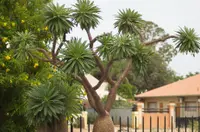
This tough succulent from Madagascar’s dry, rocky habitats is adapted to brief rains and long dry spells. Pachypodium lamerei stores water in its swollen trunk, so soil should dry significantly between thorough waterings.
For watering Madagascar palm indoors, treat it like a drought-tolerant succulent, not a tropical foliage plant. Outdoors in warm climates, it often needs slightly more frequent watering than indoor plants, but still with clear dry periods.
In warm, bright indoor conditions, this species typically needs watering about every 2–4 weeks in the growing season. Wait until the soil is completely dry, at least the top 1–2 inches (3–5 cm). In cooler rooms or during winter dormancy, intervals usually extend significantly between waterings.
Water Madagascar palm when the top 2-3 inches (5-7 cm) of soil feel completely dry, using a slow, controlled soak.
Incorrect moisture around Pachypodium lamerei can quickly stress tissues and disrupt normal growth patterns.
Deeply furrowed, softening trunks usually indicate prolonged underwatering or overly fast-draining, bone-dry soil
Older leaves turning yellow then dropping often follow repeated overwatering in cool, low-light conditions
Dark, mushy tissue near the soil line commonly signals chronic saturation and developing stem rot
Roots that feel mushy and smell sour point to suffocation in compacted or waterlogged mix
Allow soil to dry thoroughly between deep waterings, favoring brief soak cycles over constant moisture.
Unsuitable watering habits can stress Pachypodium lamerei, weakening its trunk, damaging roots, and making it more vulnerable to pests and environmental swings.
Healthier Madagascar palms get deep, infrequent drinks in fast‑draining soil, with moisture guided by actual dryness rather than routine.
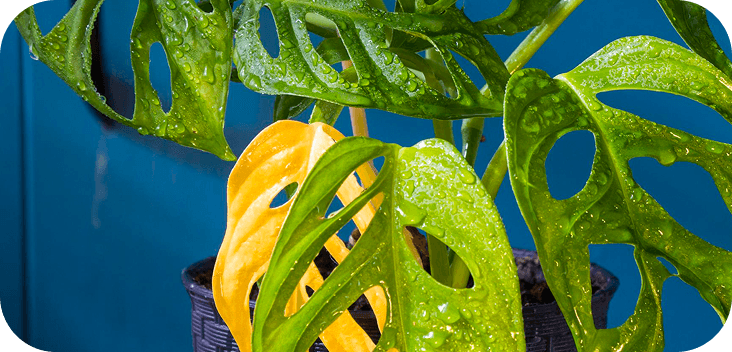
Is It Time to Water?
See whether your plant is ready for watering or needs more time to dry.
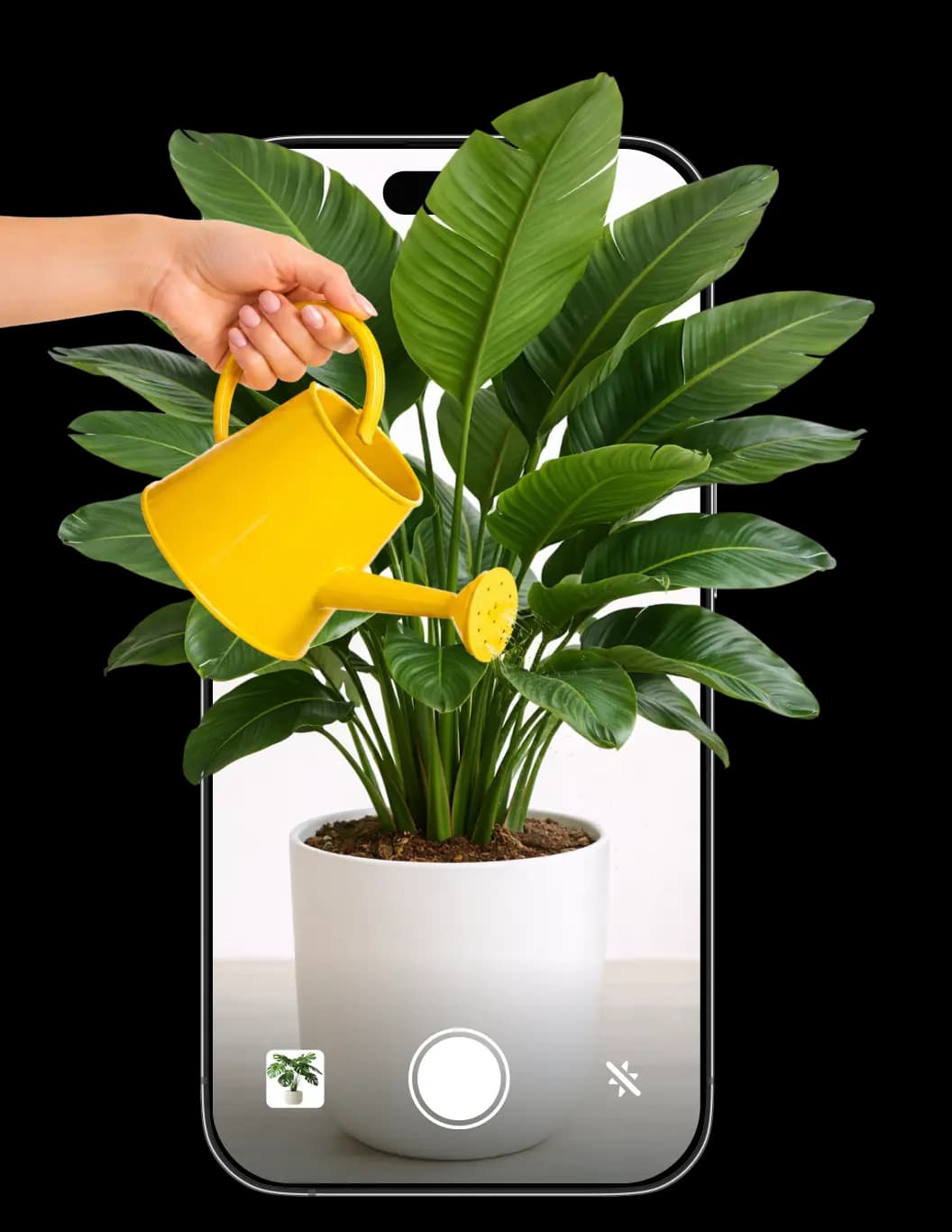
Use Botan to set a calm watering routine and simple care steps for Pachypodium lamerei, while gentle photo-based checkups help flag potential issues before they progress.
In its native Madagascar habitats, Pachypodium lamerei grows during the warm rainy season and then endures a long, very dry season on rocky slopes, making a pronounced wet–dry cycle important for its health in cultivation.
The thick, bottle-shaped trunk (caudex) of Pachypodium lamerei functions as a water reservoir, allowing it to survive extended dry periods with minimal rainfall in arid, high-light environments.
Pachypodium lamerei often sheds most or all of its leaves during dry or cool periods, reducing water loss through transpiration while relying on stored moisture in the stem to stay alive until conditions improve.
Drooping soon after watering usually means roots are stressed from excess moisture or poor drainage. Let soil dry more between waterings, check for compacted or soggy mix, and ensure the pot drains freely.
Use Botan to review your watering pattern and support healthier moisture balance.
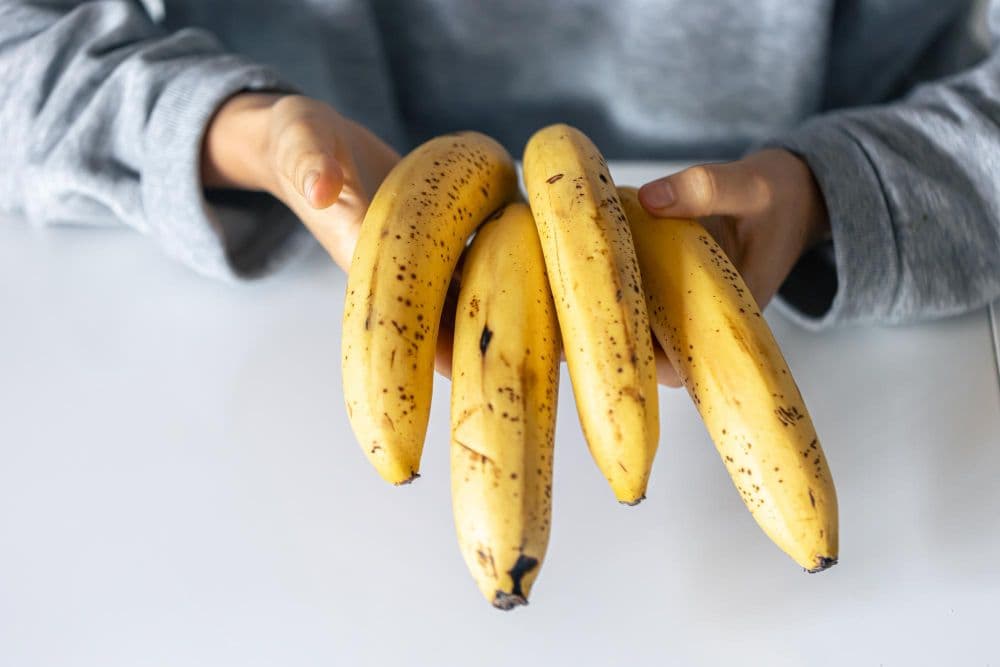
5 min read · 9 Jul 2026
Banana water can provide potassium and some nutrients that may support plant growth, but it is not a universal fix. Use it carefully and only when the plant actually shows signs of nutrient deficiency rather than as a routine treatment.
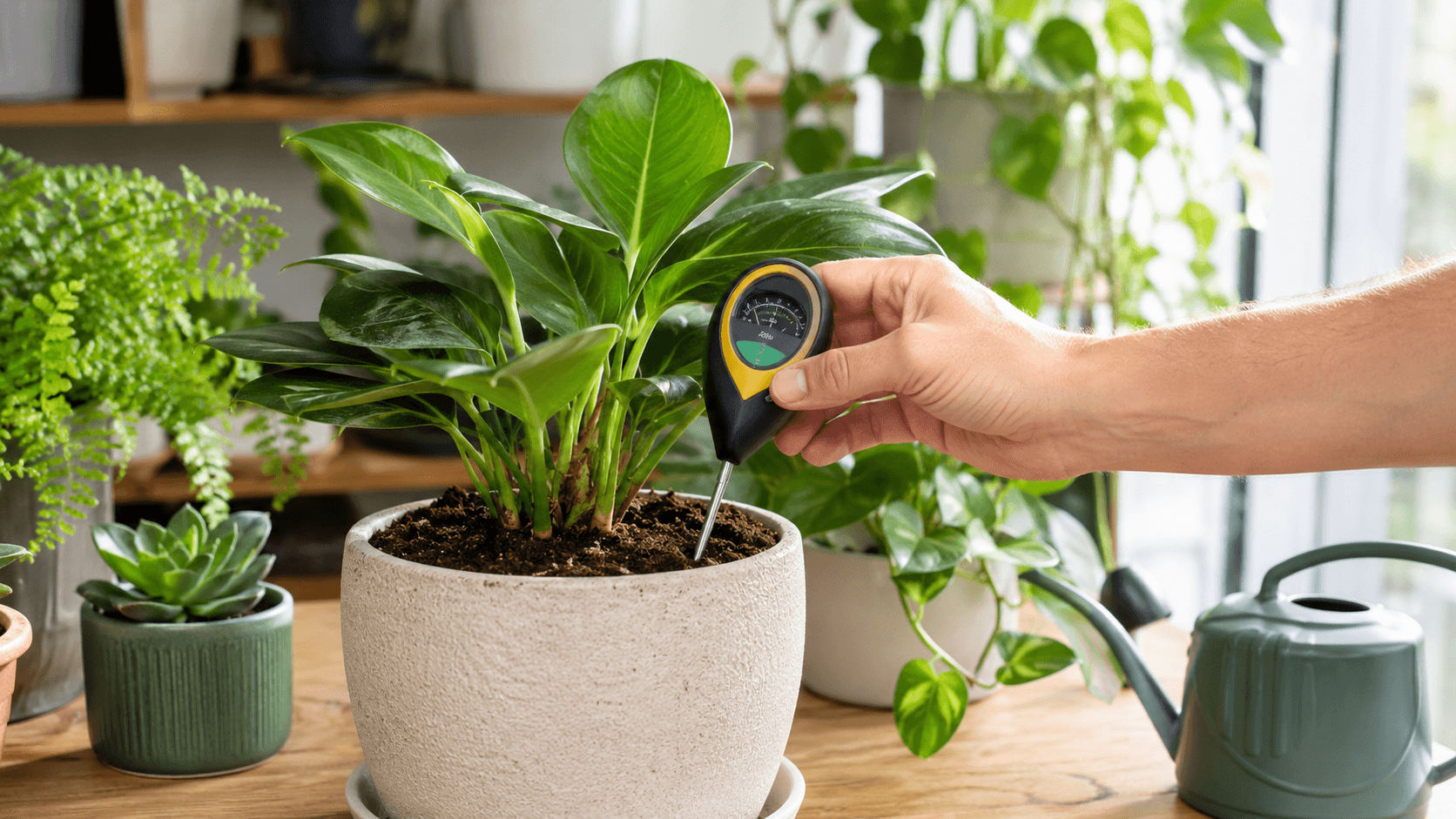
5 min read · 4 Sept 2026
Watering by feel kills plenty of houseplants. A moisture meter checks the soil for you, and takes the guesswork out of it. This guide will show you how to use it correctly, from the first touch to the final reading.
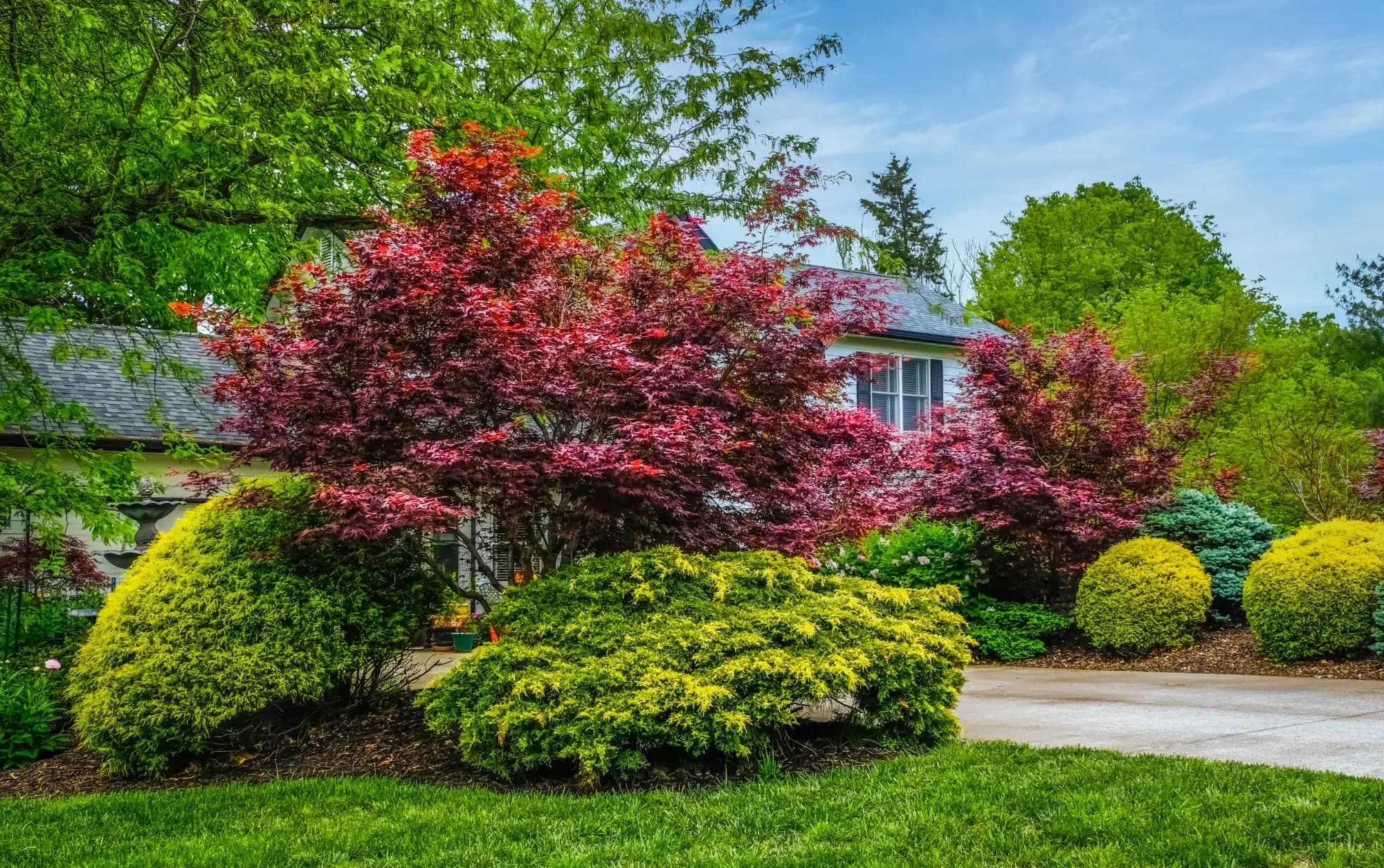
12 min read · 7 Aug 2026
A front yard tree can stay for decades. Therefore, choosing one deserves serious consideration. Here are 13 trees that have proven themselves, sorted by their purpose. You'll also find five species to avoid and basic planting information.




-1-200x132.webp)