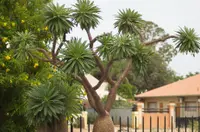



Best Soil for Madagascar palm (Pachypodium lamerei)

For Pachypodium lamerei, a gritty, fast-draining mix with a near-neutral pH supports healthier roots and reduces stress around the base.

Soil Texture

Sandy, Loamy, Rocky

Soil pH

Slightly acidic (6.5–7.0), Neutral (7.0)

Soil Drainage

Well-drained

Pachypodium lamerei Soil Guide

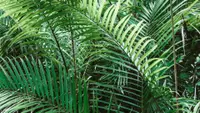
Native to southern Madagascar, Pachypodium lamerei grows in dry, sunny areas with sandy, rocky, mineral-rich ground. Those conditions explain why it prefers soil that drains quickly and holds plenty of air around the roots, rather than dense, moisture-retentive material.

Its thick stem stores water, so the roots are better suited to brief moisture followed by fast drying. The best soil for Madagascar palm feels loose and gritty, with some loamy body but limited rich organic matter. Slightly acidic to neutral conditions suit its natural preference.

A simple homemade mix helps balance airflow, drainage, and enough structure for Pachypodium lamerei to root securely in a container.

100% total mix = 20 scoops
15%
small gravel or crushed granite3 scoops
20%
pumice or perlite4 scoops
25%
coarse sand5 scoops
40%
cactus potting mix8 scoops

The finished blend should feel gritty, loose, and mineral-heavy, with water moving through quickly instead of lingering around the root zone.

This species is especially sensitive to long periods around wet roots or a damp stem base. Soil can be one factor worth checking when growth starts to stall.

Compacted mix:

Compacted mix: if the surface hardens and water stops moving through evenly, gently loosen only the top layer and plan to replace the medium with a more open blend.

Staying wet too long:

Staying wet too long: if the container feels heavy for days, increase airflow around the root zone and check whether the drain path is blocked.

Crusted surface salts:

Crusted surface salts: a pale crust can build up from minerals in water, so scrape off the top layer and refresh it with clean mix.

Stem base buried too deeply:

Stem base buried too deeply: if soil sits against the trunk, pull it back slightly so the crown area stays exposed and dries more readily.

Scan for Better Soil

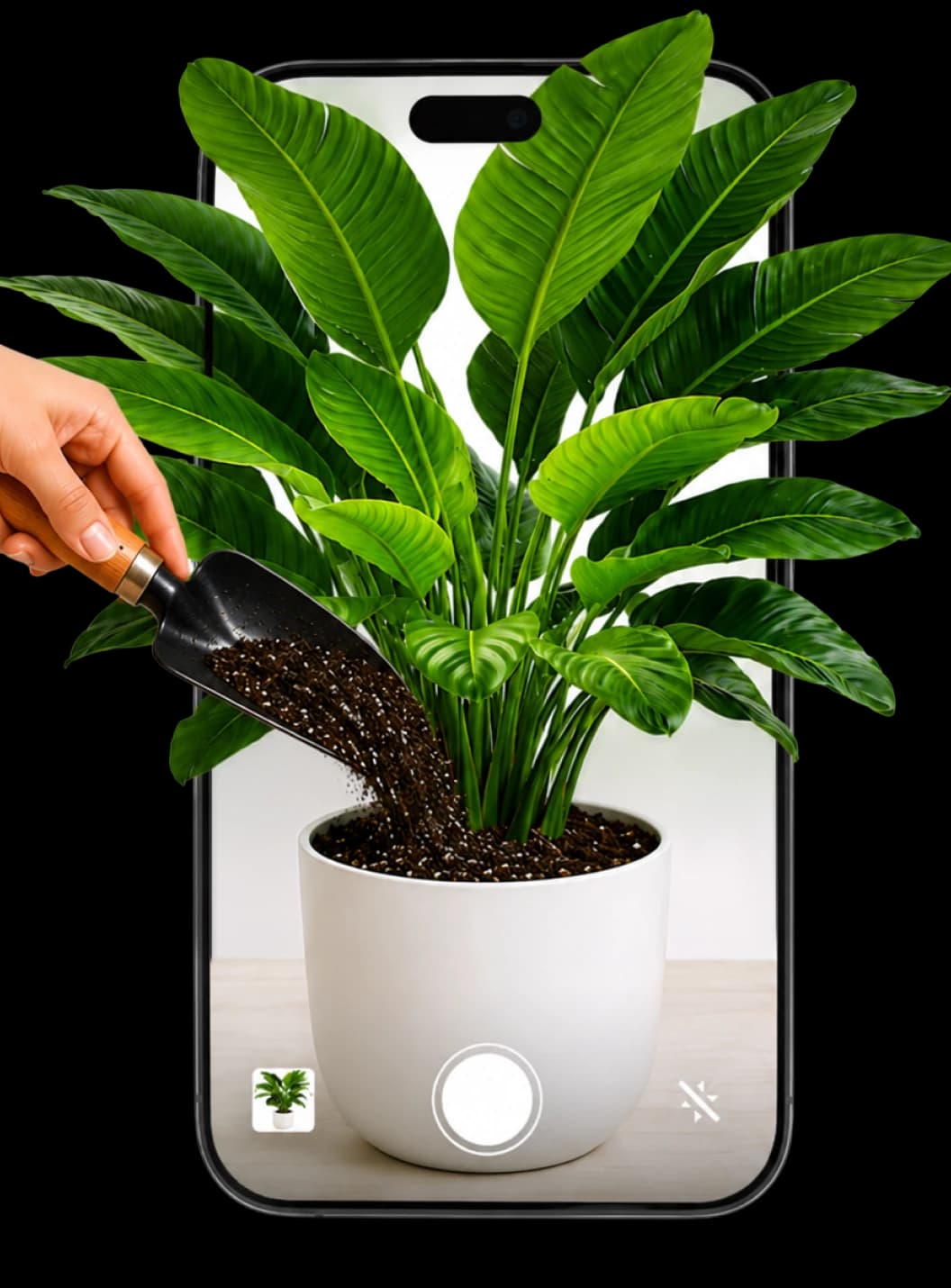
Botan can help identify the plant and guide a soil choice that better matches its growth habit and root needs.

FAQ

Yes. Drainage holes are important because excess water needs a clear exit path. Without that, the root zone stays wet longer, which raises the risk of stress in Madagascar palm soil.

Everything About Madagascar palm

More Plant Soil Guides

Check What the Soil Is Doing

Use Botan’s photo check to see whether soil conditions may be contributing to visible decline and what to review next.

Botan app helping with soil and plant care
Banana Peel Water for Plants: 5 Things to Know Before Trying It

5 min read · 9 Jul 2026

Banana Peel Water for Plants: 5 Things to Know Before Trying It

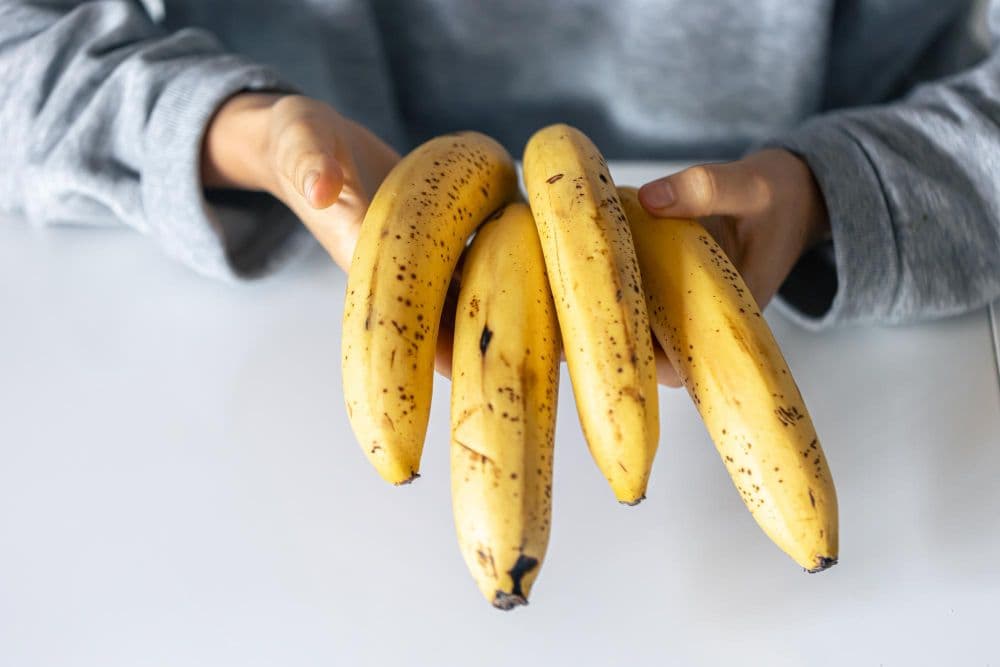
Banana water can provide potassium and some nutrients that may support plant growth, but it is not a universal fix. Use it carefully and only when the plant actually shows signs of nutrient deficiency rather than as a routine treatment.

Plant Care
Banana Peel Water for Plants: 5 Things to Know Before Trying It
How to Use a Moisture Meter for Plants

5 min read · 4 Sept 2026

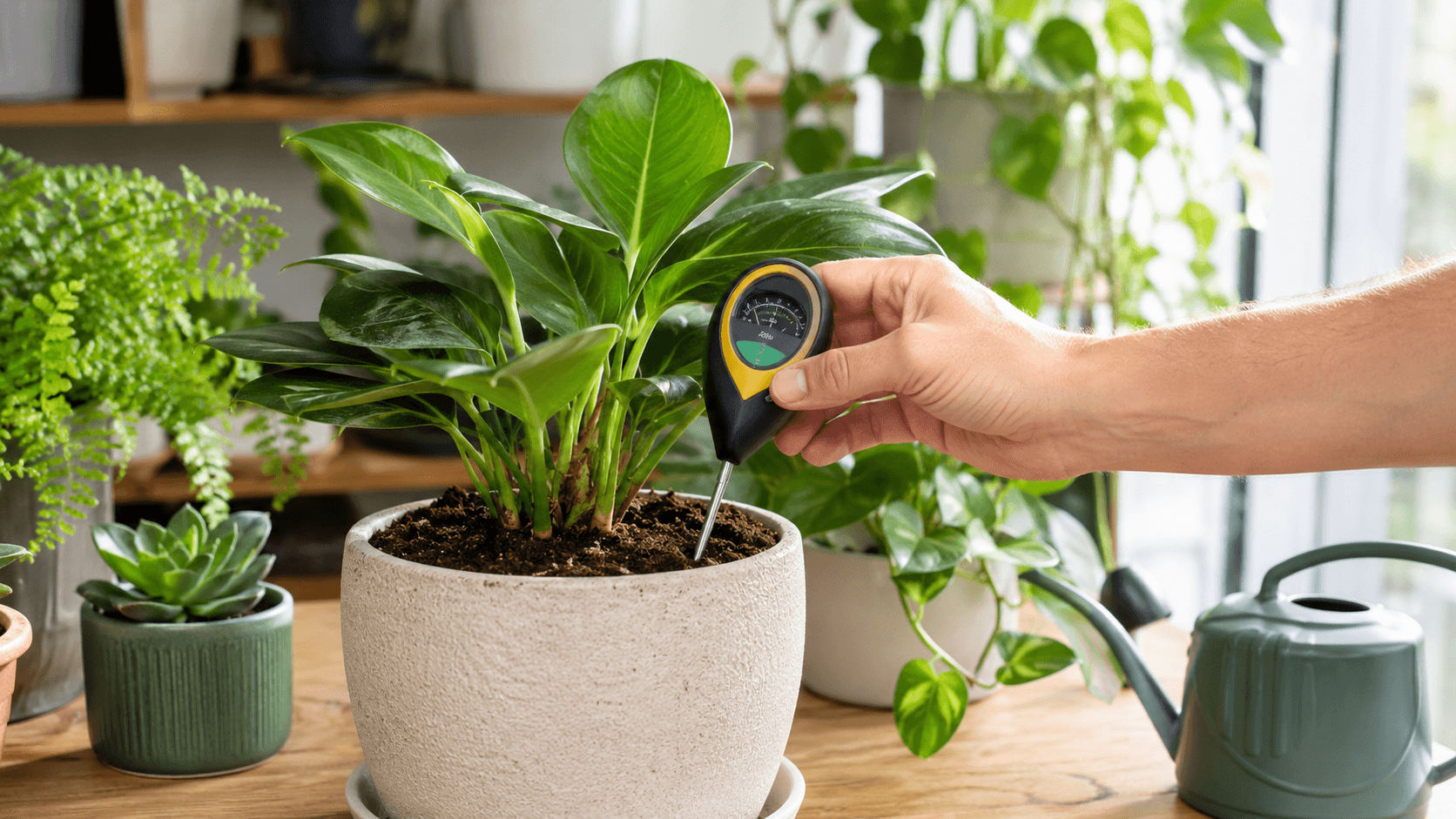
How to Use a Moisture Meter for Plants

Watering by feel kills plenty of houseplants. A moisture meter checks the soil for you, and takes the guesswork out of it. This guide will show you how to use it correctly, from the first touch to the final reading.

Beginner Guides
How to Use a Moisture Meter for Plants
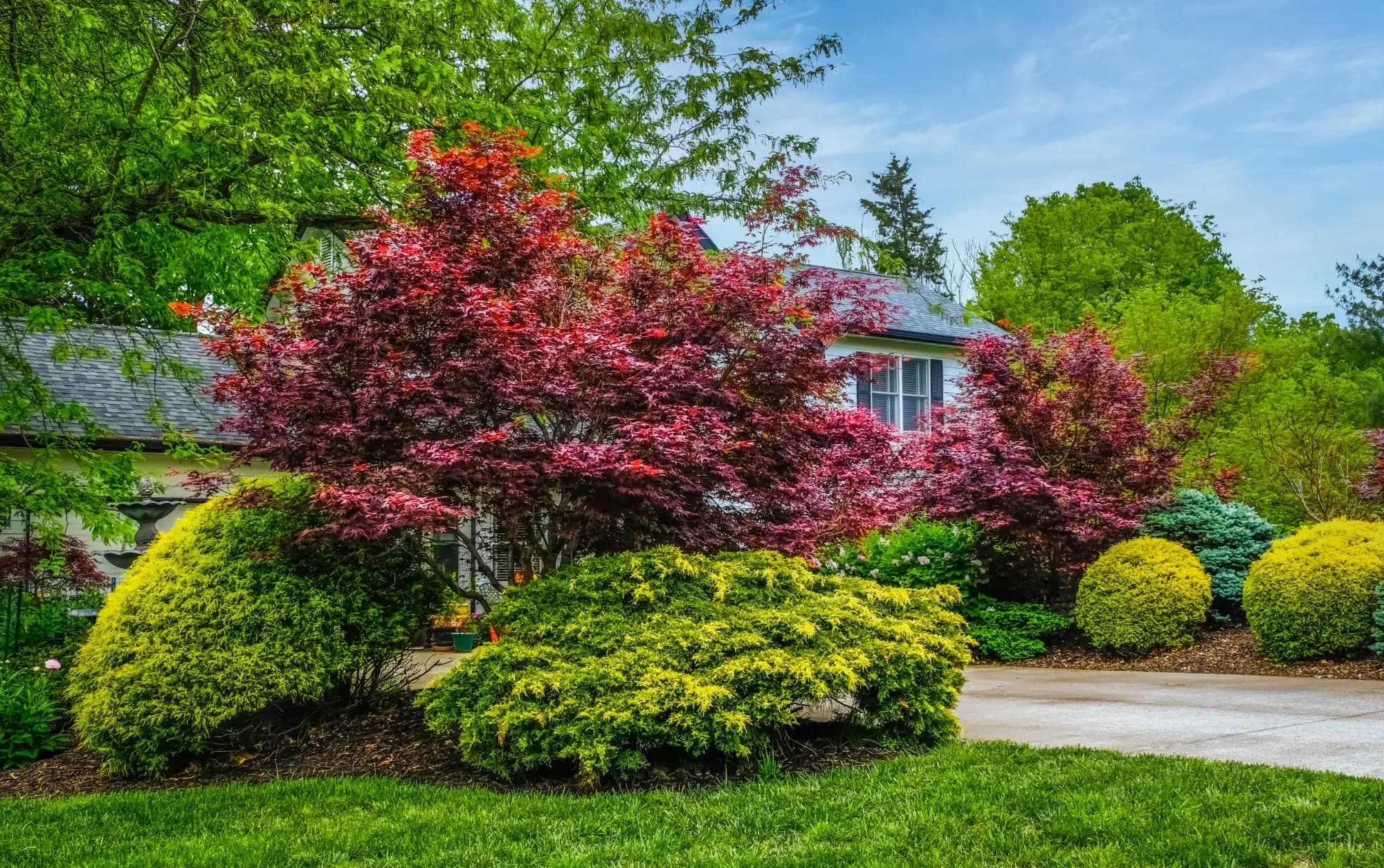
13 Best Front Yard Trees for Every Home and Yard

12 min read · 7 Aug 2026

13 Best Front Yard Trees for Every Home and Yard

A front yard tree can stay for decades. Therefore, choosing one deserves serious consideration. Here are 13 trees that have proven themselves, sorted by their purpose. You'll also find five species to avoid and basic planting information.

Plant Recommendations
13 Best Front Yard Trees for Every Home and Yard