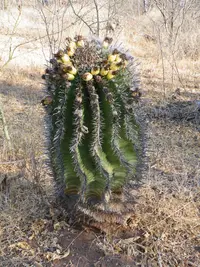
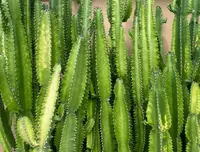
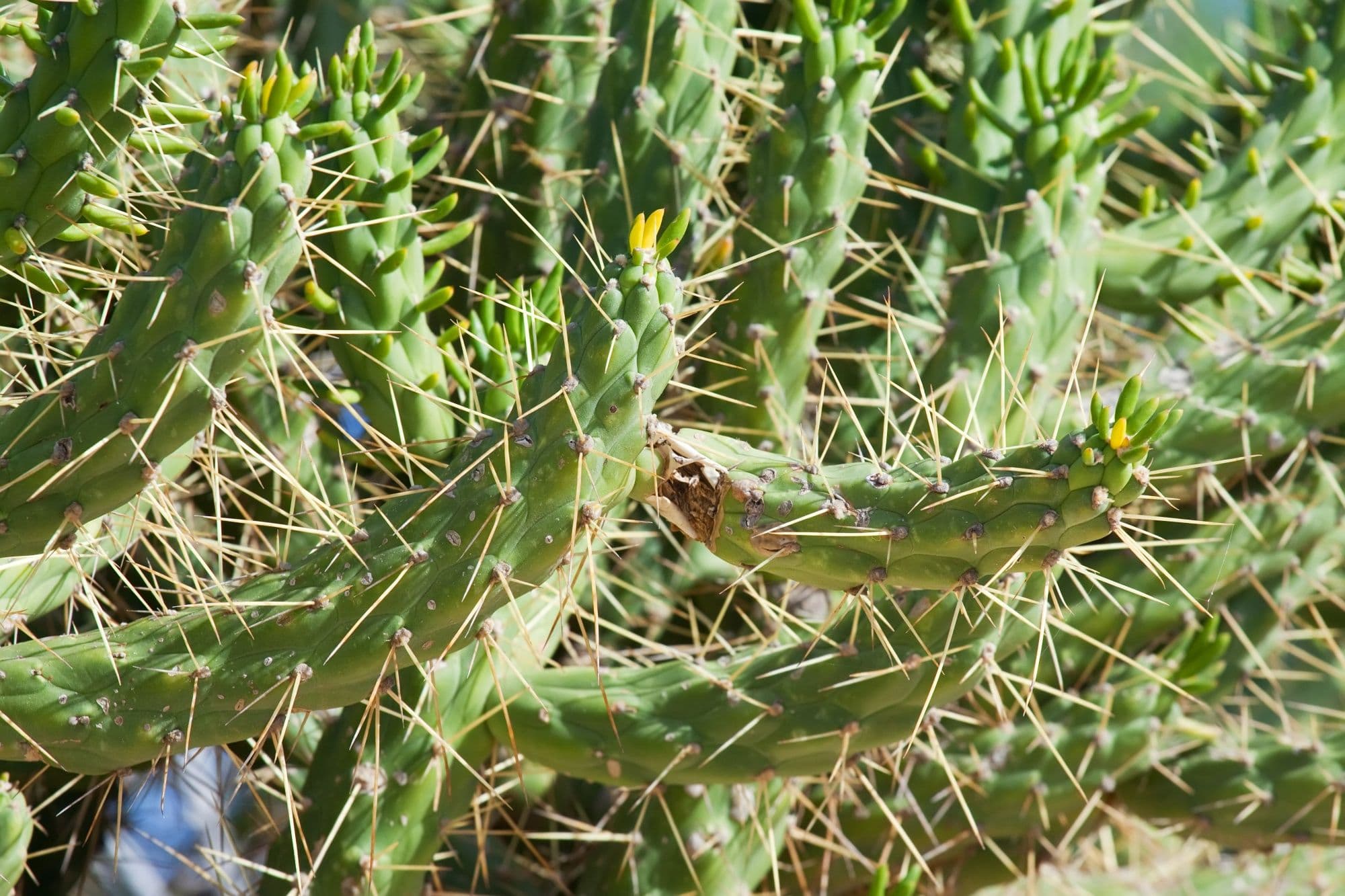
Best Soil for Cactus (Ferocactus herrerae)

Ferocactus herrerae grows best in a gritty, fast-draining mix that supports healthy roots and avoids prolonged moisture around them.

Soil Texture

Sandy, Loamy, Rocky

Soil pH

Slightly acidic (6.5–7.0), Neutral (7.0)

Soil Drainage

Well-drained

Ferocactus herrerae Soil Guide

Native to central Mexico, Ferocactus herrerae grows in dry landscapes where rain moves through the ground quickly and roots are exposed to plenty of air. That background explains why this species prefers sandy, loamy, rocky soil with very fast drainage rather than rich, moisture-holding potting media.

The best soil for Cactus is mineral-leaning and open in texture, with only modest moisture retention. Its roots are adapted to take up water after brief wet periods, then dry out again, so loose, well-drained soil helps prevent long damp spells around the root zone. A slightly acidic to neutral reaction suits its natural conditions.


A homemade mix gives better control over texture and drainage for Ferocactus herrerae. The goal is a coarse blend that stays open around the roots.

100% total mix = 20 scoops
15%
small gravel or fine lava rock3 scoops
20%
cactus potting soil4 scoops
30%
pumice or perlite6 scoops
35%
coarse sand7 scoops

The finished blend should feel gritty, loose, and stony, with water moving through fast instead of pooling around the root zone.

A slightly acidic to neutral range around 6.5–7.0 suits Ferocactus herrerae well. In that window, important nutrients stay available without pushing the mix too far toward acidity or alkalinity.

This species can handle a fairly narrow shift around neutral, but extreme pH can reduce nutrient uptake over time even when the soil texture is otherwise suitable.

This species is more sensitive to stale, airless root conditions than to lean soil. Check changes in the mix before assuming a deeper health issue.

Compacted mix:

Compacted mix: if the surface hardens and water stops soaking in evenly, gently loosen the top layer and replace dense material at the next soil change.

Slow drainage:

Slow drainage: if the pot stays heavy for too long after watering, check for blocked drainage holes and move the plant into a faster-draining medium.

Mineral crust:

Mineral crust: white buildup on the soil surface can point to salt accumulation, so scrape off the top layer and refresh it with clean mix.

Organic breakdown:

Organic breakdown: older Cactus soil may shrink or turn fine and dusty, which reduces airflow, so swap it out for a fresher, more stable blend.

Right Plant. Right Soil.

Botan helps match this plant to a more suitable soil setup, so texture and drainage are easier to judge before problems build up.

FAQ

Yes. A pot that is too deep holds extra mix below the root zone, which can stay wet longer. Choose a container only modestly deeper than the roots need.

More Plant Soil Guides

Soil Problem? Scan It.

A photo check can help show whether soil may be part of the issue. Botan reviews visible stress signs and points to likely care factors to inspect.

Botan app helping with soil and plant care
12 Best Plants That Repel Spiders For Your Home and Garden

8 min read · 24 Jul 2026

12 Best Plants That Repel Spiders For Your Home and Garden

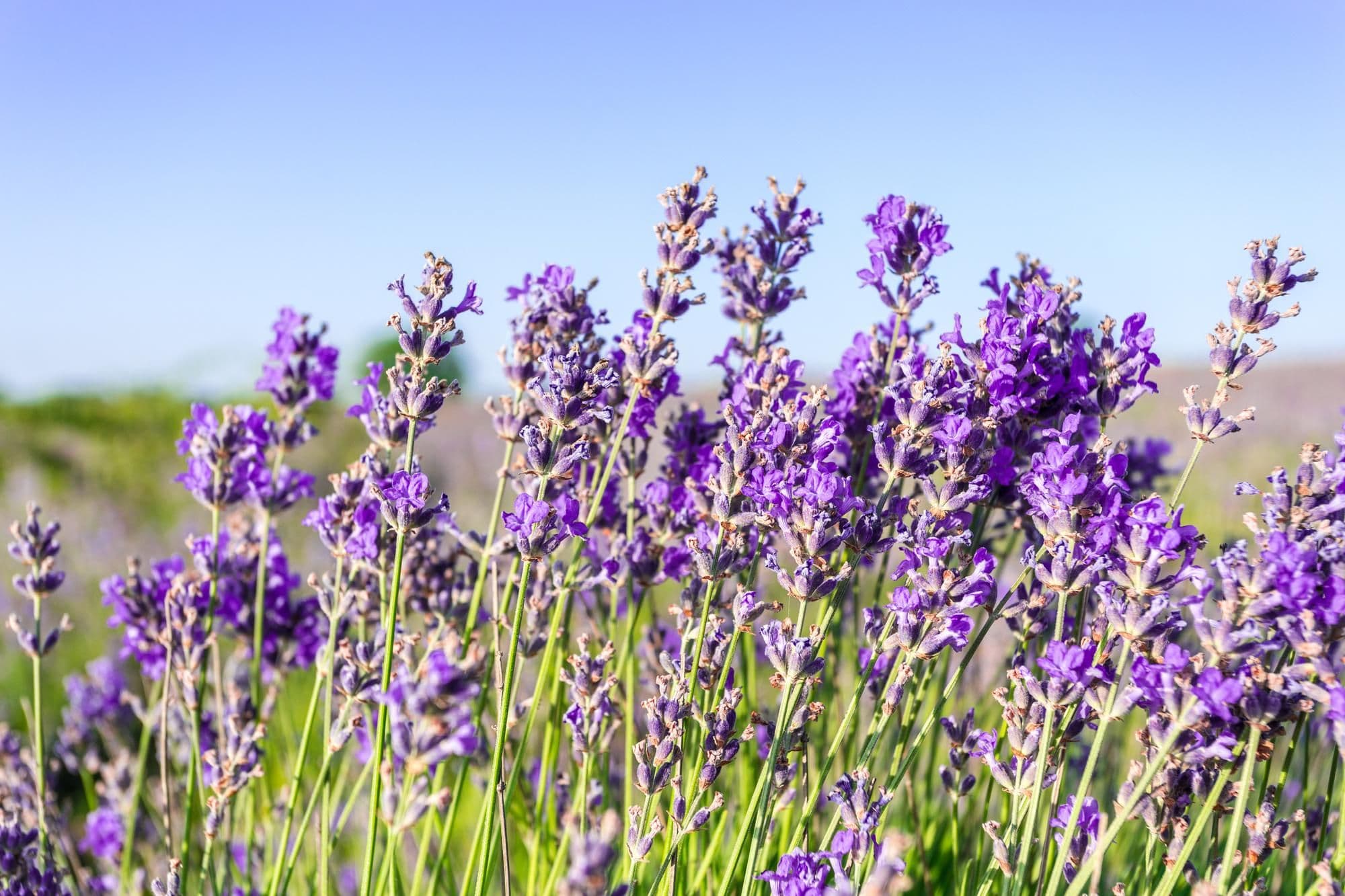
Spiders constantly appear in places you don't want them. A few common plants can help repel them using scent alone. Here are 12 options suitable for both indoors and outdoors, plus care tips for each.

Plant Recommendations
12 Best Plants That Repel Spiders For Your Home and Garden
How to Repot a Plant: A Step-by-Step Guide

7 min read · 28 May 2026

How to Repot a Plant: A Step-by-Step Guide

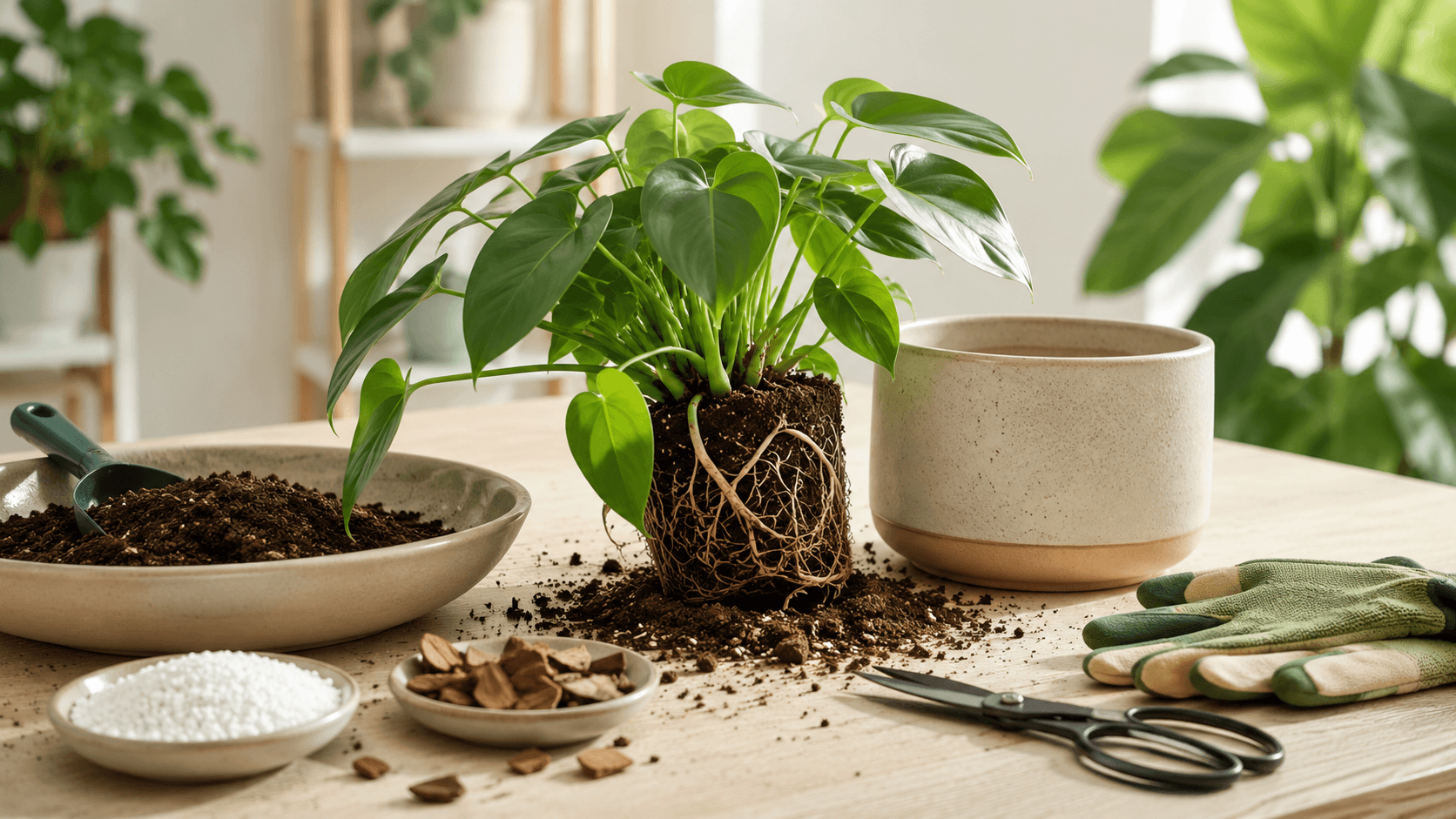
In spring, many plants need repotting—an essential part of care. To avoid stress, consider the plant’s type and size. This article offers a step-by-step guide for repotting indoors or outdoors and shows how to check plant health and get care tips using the Botan app.

Plant Care
How to Repot a Plant: A Step-by-Step Guide
Thorny Plants: A Comprehensive Guide

10 min read · 25 Aug 2026

Thorny Plants: A Comprehensive Guide

Many plants defend themselves with sharp thorns. This guide explores over 20 examples among flowers, shrubs, trees, and vines. You'll learn what each plant looks like, why it grows thorns, and how to quickly identify them.

Plant Recommendations
Thorny Plants: A Comprehensive Guide