Cactus Care (Ferocactus herrerae)

Cactus

About Cactus

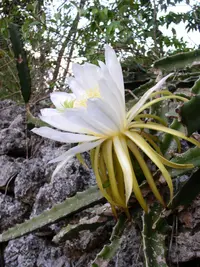
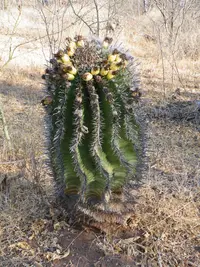
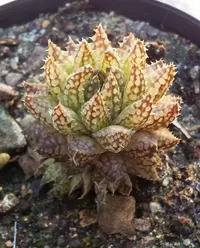
Ferocactus herrerae, commonly called barrel cactus, is a slow-growing desert cactus valued for its strong architectural form. It typically forms a stout, ribbed globe to cylindrical shape with heavy, hooked spines. These spines protect the plant and are the main handling challenge when you care for Cactus indoors or outdoors.

This species is native to arid regions of northwestern Mexico, where it grows in rocky, well-drained soils under strong sun. It is naturally adapted to drought and low humidity, which makes it relatively low-maintenance when watering is restrained and soil drains quickly.

Main Plant Requirements

Care Difficulty

Easy Care

Light Preference

Full Sun

Water Requirements

Low Water

Temperature Preference

Tropical / Frost Sensitive

Hardiness Zone

9–11

Soil Texture

Sandy, Loamy, Rocky

Soil pH

Slightly acidic (6.5–7.0), Neutral (7.0)

Soil Drainage

Well-drained

Fertilization

Minimal (feed rarely)

Get Personalized Care Plan

Scan your plant to receive care tips personalized for your specific plant

Available on iOS and Android

How to Care for the Cactus

Ferocactus herrerae thrives in strong, direct sun but benefits from gradual acclimation outdoors.

  • Provide 6–10 hours of direct sun daily, ideally full morning sun with some protection from intense late afternoon exposure in very hot climates.
  • Plant in an open, unshaded spot; it tolerates light partial shade, but growth becomes slower and the stem may lean or stretch in low light.
  • In summer heatwaves, use light shade cloth to prevent scorching; in winter, maximize sun exposure, especially in cooler regions with weaker light.

Water needs are low and strongly seasonal for this desert cactus species.

  • During active growth in spring–summer, water only when the top 3–5 cm of soil are completely dry, then soak thoroughly and let excess drain away.
  • Use gritty, fast-draining soil; symptoms of overwatering include yellowing tissue, soft or blackened base, and a persistent damp, sour-smelling root zone.
  • In autumn, reduce frequency sharply, and in winter keep almost dry; slight rib shrinkage and wrinkles signal time for a careful, light watering.

This species prefers warm, arid conditions and is sensitive to prolonged cold and frost.

  • Aim for 70–90°F (21–32°C) during the growing season; short peaks to 100°F (38°C) are tolerated if soil is dry and air movement is good.
  • Protect from frost; brief dips to 32°F (0°C) may be survived when dry, but growth is safer above 40°F (4°C) and tissue damage increases below this.
  • In winter, a cool, dry rest at 45–60°F (7–16°C) supports strong future growth, while avoiding humid, chilly conditions that promote rot.

Humidity is rarely a concern for Ferocactus herrerae, which prefers dry air similar to arid desert conditions.

  • Target 20–40% relative humidity; typical heated or air-conditioned homes fall in an acceptable range.
  • This cactus tolerates very dry air, but constant dampness above 60% can encourage fungal spots at the base or ribs.
  • If humidity is consistently high, increase air movement with a small fan and avoid crowding plants to reduce stagnant, moist air.

Ferocactus herrerae needs a sharply draining, mineral-based mix that prevents water from lingering around the roots.

  • Use a sandy, gritty mix such as 50–70% inorganic particles (pumice, coarse perlite, gravel, or coarse sand) with the rest a lean cactus substrate.
  • Ensure the mix feels loose and crumbly; it should fully re-wet after drying but never form clumps or smear when squeezed.
  • Aim for slightly acidic to neutral pH around 6.0–7.0, avoiding heavy peat-based blends that compact and stay wet too long.
  • Improve drainage by adding extra pumice or gravel near the pot bottom and avoid any soil labeled moisture-retentive.

This species is well suited to container culture, provided the pot supports its heavy, top-weighted body and rapid runoff of water.

  • Choose a wide, heavy terracotta or clay pot to counterbalance the plant’s weight and reduce tipping in windy or exposed spots.
  • Select a pot just 2–5 cm wider than the root ball so the mix dries evenly instead of staying wet in unused outer zones.
  • Raise the container slightly on pot feet or bricks so drainage holes clear the surface and water escapes quickly after irrigation.

Ferocactus herrerae benefits from light, infrequent feeding in containers, while in-ground plants often manage with minimal input.

  • Use a low-nitrogen, balanced cactus fertilizer or slow-release granules formulated for succulents.
  • Feed container plants every 6–8 weeks during spring–summer only, skipping late fall and winter.
  • Dilute liquid products to 1/4–1/2 strength to avoid salt buildup and root burn.
  • Flush the pot with plain water a few times each season to reduce accumulated salts in the soil.

Ferocactus herrerae needs almost no structural pruning, only occasional hygiene work.

  • Carry out any work in late spring–summer when growth is active and wounds dry quickly.
  • Remove only dead, dried, or diseased tissue using long-handled, sharp, disinfected tools.
  • Avoid cutting healthy ribs or areoles, as this permanently scars the plant and may reduce flowering.
  • Use tongs and thick gloves to handle the plant safely and maintain its natural symmetrical form.

This species tolerates long periods in the same pot and prefers infrequent disturbance.

  • Check for roots circling the drainage holes, soil drying extremely fast, or stalled growth as signs to repot.
  • Plan repotting for warm, dry weather in late spring, typically every 4–6 years for container plants.
  • Choose a pot only 2–5 cm wider, filled with very gritty, fast-draining cactus mix.
  • Unpot gently, keep the root ball mostly intact, and keep soil slightly dry for 7–10 days afterward to limit stress and rot risk.

Ferocactus herrerae is usually propagated from seed and is slow to reach adult size.

  • Sow fresh seeds in late spring–early summer in a sterile, very well-drained cactus mix.
  • Press seeds onto the surface, barely cover with fine grit, then keep at 70–80°F with bright, indirect light.
  • Maintain lightly moist but never wet conditions using a humidity dome or clear cover with small vents.
  • Once seedlings develop firm spines and several ribs, gradually reduce humidity and increase light intensity.

This desert cactus prefers cool, very dry winter conditions and is not fully frost hardy.

  • Keep plants above 40°F; brief, light frosts only if soil is completely dry and air is well-drained.
  • For containers, move under cover or indoors to a bright, cool spot before hard freezes.
  • Stop watering through winter, allowing the plant to stay almost completely dry.
  • In the ground, use a coarse gravel mulch around the base to keep the crown dry and improve drainage.

Care Tips

Secure heavy pots

Use a wide, heavy container or add stones in the bottom of the pot so the deep, top-heavy stem does not tip over as the plant gains weight and height.

Rotate for even ribs

Turn the pot 90° every 4–6 weeks during active growth so the ribs develop evenly and the spine clusters stay symmetrical instead of leaning toward the light source.

Protect from bruising

Keep at least a few inches of clear space around the plant and move it with thick padding or a folded towel against the ribs to prevent impact damage, which can cause permanent corky scars.

Dry, gritty topdress

Apply a 1–2 cm layer of coarse grit or small stones on the soil surface to keep the neck of the plant dry, reduce rot risk, and discourage fungus gnat larvae that prefer damp organic surfaces while caring for Cactus.

Cool, bright winter rest

Provide bright light with cooler, stable winter temperatures and very minimal watering to encourage strong spine color and flower bud formation in the following warm season.

Everything About Cactus

Common Pests and Diseases

Mealybugs

This pest feeds on cactus sap, often hiding in spine bases and woolly areoles, leading to yellowing and slowed growth. Symptoms include white, cotton-like clusters on ribs, in the crown, or at the base of the plant.

Solution

Isolate the plant, then dab visible insects with cotton swabs dipped in 70% isopropyl alcohol and repeat weekly until no new pests appear. Improve light and airflow, reduce excess nitrogen fertilization, and for severe cases use a systemic insecticide labeled for cacti according to the product instructions.

Red spider mites

These insects are tiny arachnids that thrive in hot, very dry air and can cause a dull, bronze or gray surface, especially on the sun-exposed side of the stem. Symptoms include fine webbing in spine clusters and a rough, sandblasted appearance of the epidermis.

Solution

Increase humidity slightly around the plant without wetting the body for long periods, then rinse the cactus gently with a strong but controlled stream of water to dislodge mites. For persistent infestations, apply a targeted miticide or insecticidal soap suitable for succulents, making sure the plant dries quickly afterward to avoid fungal issues.

Scale insects

This pest appears as small, hard, brown or gray bumps tightly attached to ribs or at the stem base, sucking sap and weakening the plant over time. Symptoms include localized yellowing, reduced vigor, and sticky honeydew that can encourage sooty mold on nearby surfaces.

Solution

Manually scrape or lift off individual scales with a blunt tool or cotton swab dipped in alcohol, then monitor regularly for new insects. In more advanced cases, use a systemic insecticide labeled for ornamental cacti and keep the plant in bright, well-ventilated conditions to support recovery while following general Cactus care instructions.

Corky scab (edema)

This disease-like disorder produces rough, brown, corky patches on the lower ribs where tissue has been damaged by past stress, such as irregular watering or sudden sun exposure. Symptoms include firm, dry lesions that do not spread quickly but can disfigure the stem surface.

Solution

Adjust watering to a consistent, sparse schedule, allowing the soil to dry fully between waterings, and avoid sudden shifts from shade to intense sun. Remove any loose, dead tissue only if it separates easily, then maintain stable light, temperature, and moisture so new growth remains smooth and healthy.

Fungal stem spot

This disease causes small, sunken, brown or black spots on the green tissue, often starting at minor wounds, hail damage, or insect feeding sites. Symptoms include gradually enlarging lesions that may develop a dry, slightly depressed center and can coalesce, weakening that rib section.

Solution

Cut out affected tissue with a sterile, sharp knife back into firm, healthy flesh, then dust the wound with a dry sulfur-based fungicide or clean cinnamon powder and keep the plant in dry, airy conditions until fully callused. Reduce overhead watering, ensure a very well-draining mineral substrate, and avoid crowding plants so air circulates freely around each cactus.

Interesting Facts

Natural stone mimics

In its native habitat of Baja California Sur, this species often grows partially sunken among rocks and gravel, and juveniles can visually blend into the stony background, which helps reduce herbivory and sun stress.

Massive hooked spines

Mature plants produce thick, strongly hooked central spines that can exceed many other barrel cacti in robustness, helping shade the stem surface and deter large herbivores in their arid environment.

Fog-assisted hydration

In coastal areas of its range, the plant benefits from Pacific fogs, with its ribbed surface and spine structure helping capture small amounts of condensed moisture that then run down toward the root zone.

Botan icon

Did you know?

This species can eventually form a large, solitary, almost spherical barrel up to roughly human torso height in habitat, making it one of the more imposing Mexican barrel cacti when fully mature and undisturbed.

FAQs about Cactus

Lack of flowers is usually linked to insufficient light, a pot that is too large, or no cool, dry winter rest. Older specimens bloom more reliably. Stable, bright conditions and restrained winter watering support Ferocactus herrerae care and flowering.

Grow Healthy Plants with Botan Care

Keep your plants happy and healthy with plant identification, disease detection, and easy care guidance.

Botan plant care app — identify plants on mobile

Explore More Plants